Friday, October 09, 2026
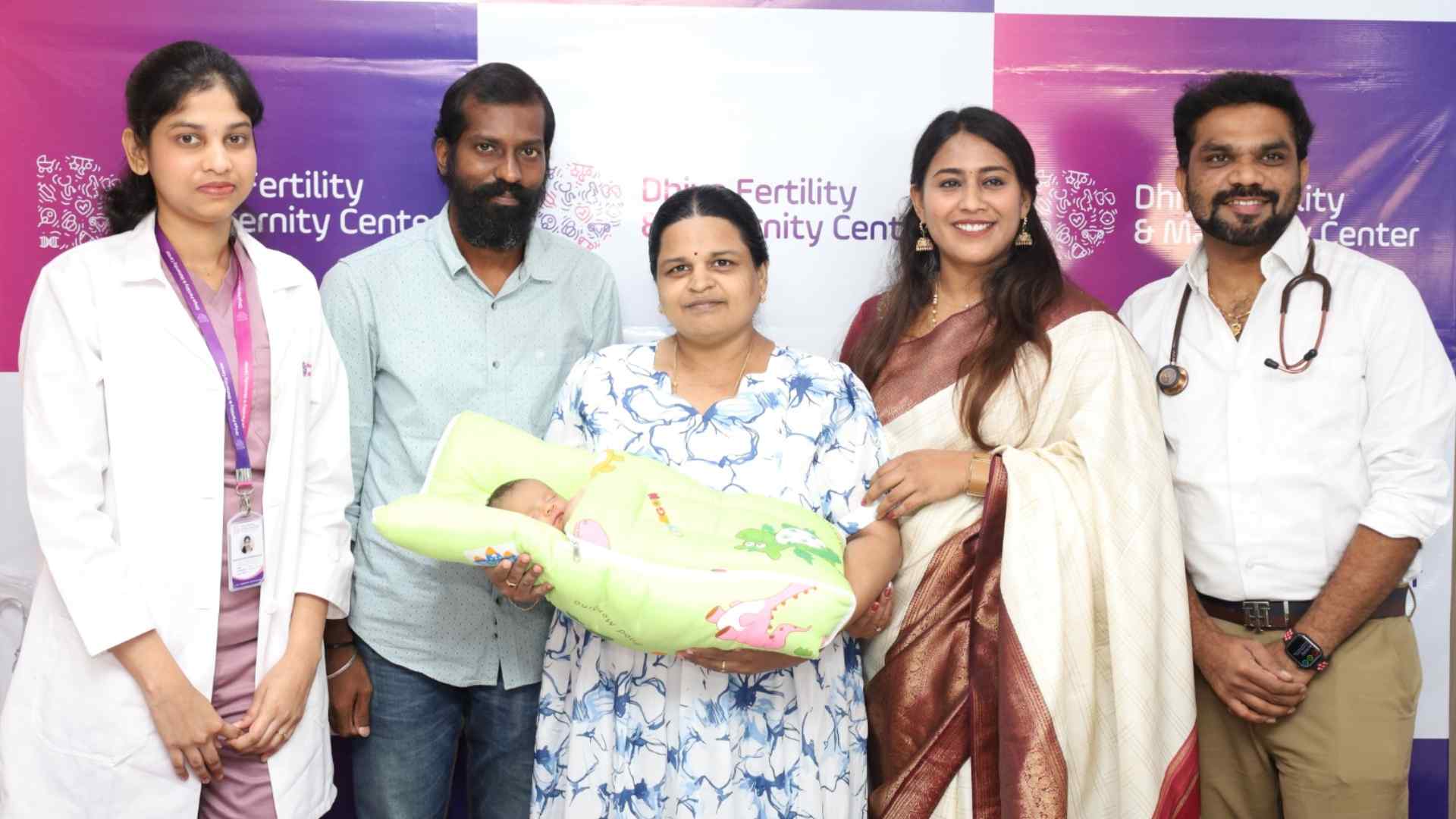
 Marking a first in Tamil Nadu, Dhiya Fertility and Maternity Center has successfully performed robot-assisted Intracytoplasmic Sperm Injection (ICSI) in a 37-year-old woman with a nine-year history of infertility.





Chennai, 1st October, 2026: Marking a first in Tamil Nadu, Dhiya Fertility and Maternity Center has successfully performed robot-assisted Intracytoplasmic Sperm Injection (ICSI) in a 37-year-old woman with a nine-year history of infertility. The advanced fertility treatment resulted in a successful pregnancy. The patient subsequently gave birth to a healthy baby girl at full term through vaginal delivery.
The patient had type 2 diabetes and low ovarian reserve. She underwent two cycles of Intrauterine Insemination (IUI), in which prepared sperm is placed directly into the uterus around ovulation. When these were unsuccessful, she proceeded to In Vitro Fertilization (IVF), where eggs are retrieved and fertilized with sperm in a laboratory through conventional ICSI. Although an embryo developed and was transferred to the uterus, the IVF cycle did not result in pregnancy.
Given her low ovarian reserve, and previous unsuccessful fertility treatments, Dhiya Fertility and Maternity Center adopted an individualized approach and performed dual egg collection in October and November 2025, retrieving three eggs, all of which were mature (M2) and suitable for fertilization.
The medical team used robot-assisted ICSI, instead of the conventional ICSI, to inject a single sperm into each mature egg. Three eggs fertilized, and the resulting embryos developed to Day 5, reaching the blastocyst stage. Using the robotic system again, the team transferred one Day-5 embryo into the uterus on January 12, 2026. The pregnancy progressed normally and ultimately resulted in the full-term birth of a healthy baby girl.
In conventional ICSI, an embryologist uses a holding pipette with gentle suction to stabilize the egg while a fine injection pipette delivers a single sperm into it. Robotic ICSI replaces this suction-based approach with a tiny, non-pneumatic mechanical gripper that securely holds and stabilizes the egg. By providing controlled, precise and consistent micromanipulation, the robotic system enables greater control during both egg positioning and sperm injection, representing a new approach to the ICSI procedure.
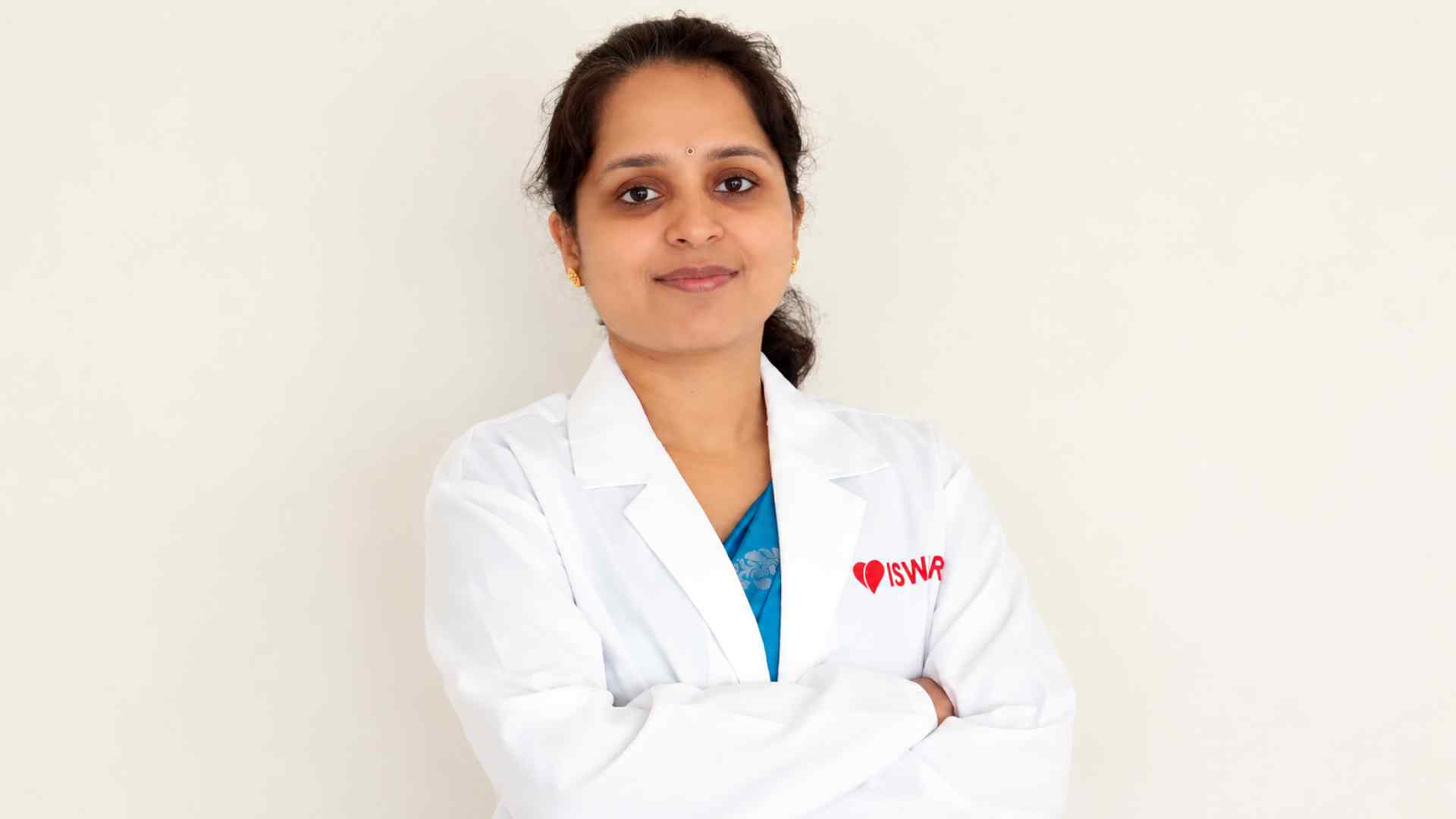
The procedures were performed by a multidisciplinary team led by Dr. Keerthana Ashwin, Director and Consultant Gynaecologist, Dhiya Fertility and Maternity Center, with Dr. Poovannan, Consultant Anaesthesiologist, and Ms. Sreenithya K, Senior Embryologist, supporting the treatment and embryology procedures.
In her comments, Dr. Keerthana Ashwin said, “We are delighted to have performed Tamil Nadu’s first robot-assisted ICSI and to see the treatment culminate in a successful pregnancy and the birth of a healthy baby girl. The patient had been on a long and challenging fertility journey for nearly nine years, undergoing multiple treatments without achieving a successful pregnancy. For her and her family, the birth of the baby marks a deeply meaningful outcome after years of perseverance and hope. This achievement is also an important milestone for our team as we continue to explore advanced technologies that can enhance precision in fertility care.”
Talking about the advantages of robot-assisted ICSI, she said that the innovation offers a more controlled approach to the delicate process of egg holding and sperm injection. “Though an egg may appear as a two-dimensional structure under a microscope, it is actually a three-dimensional spherical structure and extremely fragile. In conventional ICSI, the egg is held using gentle suction, which can place mechanical stress on the egg. In robotic ICSI, a non-pneumatic mechanical gripper is used instead of suction to hold and stabilize the egg. This allows precise and stable manipulation of the egg during the ICSI procedure. In our experience, we have also observed a higher rate of blastocyst development compared with our experience with conventional ICSI,” she said.
This marks Tamilnadu’s first ROBO ICSI baby and many more to come in the upcoming months from Dhiya Fertility and maternity Center ,OMR, Kandanchavadi, Perungudi , Chennai.