Tuesday, October 27, 2026
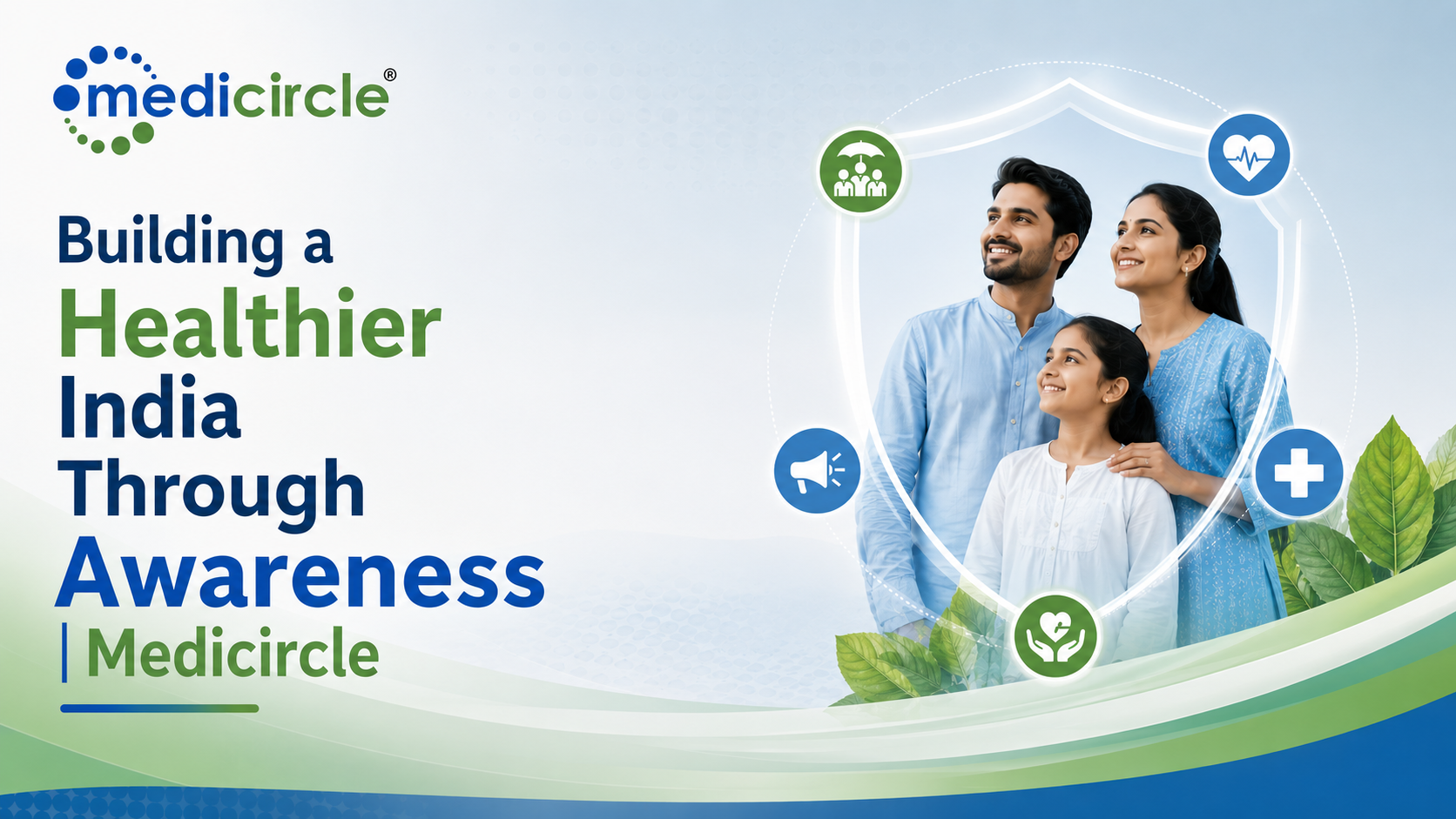
 Health awareness is the most powerful and scalable tool for building a healthier India, bridging the gap between government initiatives, expert knowledge, and communities nationwide.





Building a Healthier India Through Awareness: The Road to a Stronger Bharat
Introduction
India stands at one of the most consequential crossroads in its public health history. With a population of over 1.4 billion people spread across diverse geographies, languages, and socioeconomic realities, the challenge of ensuring that every citizen lives a healthy and dignified life is immense. Yet the ambition is equally powerful. The vision of a Viksit Bharat by 2047 is inseparable from the vision of a healthy Bharat, and it is health awareness that forms the foundational bridge between policy and people.
Over the past decade, India has witnessed a convergence of government intent, community mobilization, and healthcare innovation that is genuinely transforming how people understand and manage their health. From the remotest villages in Jharkhand to the densely populated cities of Maharashtra, awareness is emerging as the most scalable and sustainable medicine available. Medicircle, as a platform committed to trusted healthcare communication, believes that meaningful awareness is not a campaign. It is a culture. And India is working hard to build that culture from the ground up.
Understanding the Public Health Landscape in India
To appreciate why awareness matters so profoundly, one must first understand the scale and complexity of the public health burden India carries. The country faces what health experts describe as a dual burden of disease. On one side, communicable diseases such as tuberculosis, malaria, dengue, and waterborne infections continue to claim lives, particularly in lower-income and rural communities. On the other side, non-communicable diseases (NCDs) such as diabetes, cardiovascular conditions, chronic respiratory diseases, and cancer are rising sharply, driven by changing diets, sedentary lifestyles, rising stress levels, and environmental factors.
According to the Indian Council of Medical Research (ICMR), NCDs are responsible for over sixty percent of total deaths in India. Diabetes alone affects an estimated one hundred and one million Indians, and the country carries the highest burden of tuberculosis globally, accounting for approximately twenty-eight percent of all TB cases worldwide.
What makes this burden particularly difficult to address is not just the absence of healthcare infrastructure, though that remains a real gap, but the absence of awareness. Millions of Indians do not know they have diabetes until a complication arises. Many do not seek care for symptoms that they consider normal or manageable through home remedies. Many women prioritize the health of every family member before their own. Children in Tier 2 and Tier 3 cities grow up with inadequate knowledge of basic nutrition and hygiene. The root cause in many of these situations is not the unavailability of medicine. It is the unavailability of knowledge.
This is the precise gap that health awareness programmes, media platforms, and healthcare communicators are working to close.
The Role of Government in Driving Health Awareness
India's central government has made health awareness a pillar of several flagship programmes, and the results are beginning to show. The Ayushman Bharat Yojana, often recognized as the world's largest government-funded health insurance scheme, provides coverage of up to rupees five lakh per family per year for hospitalization to approximately twelve crore families. But beyond the financial protection it offers, the scheme has driven awareness of entitlements among previously uninformed communities, encouraging more people to access formal healthcare systems.
The Ayushman Bharat Digital Mission (ABDM) is another transformative initiative. By creating Ayushman Bharat Health Account (ABHA) IDs for citizens and building a digital health ecosystem, the mission is helping Indians maintain health records, access telemedicine consultations, and engage with the formal healthcare system more consistently. It represents a structural shift from reactive healthcare to informed and connected health management.
Other major initiatives contributing to health awareness include:
- Mission Indradhanush, which has significantly increased childhood immunization coverage across districts with historically low vaccination rates.
- The TB-Free India Campaign, which is combining early diagnosis, community screening, and social support to reduce tuberculosis incidence by educating communities about symptoms and treatment adherence.
- The Eat Right India Movement, launched by the Food Safety and Standards Authority of India (FSSAI), which promotes safe, balanced, and nutritious diets through community outreach, education, and behavioral change communication.
- The Sickle Cell Anemia Eradication Mission addresses a disease that disproportionately affects tribal communities through screening, counseling, and awareness at the grassroots level.
The expansion of Ayushman Arogya Mandirs, now exceeding one hundred and eighty thousand facilities across the country, has created an important community touchpoint not just for delivering care but also for health education, preventive counseling, and early detection screenings.
At a national event in February 2026, President Droupadi Murmu inaugurated the "Saving Lives and Building a Healthier Bharat" campaign organized by PD Hinduja Hospital, emphasizing that the health of citizens is a collective responsibility and that affordable, world-class healthcare must be the shared mission of every stakeholder in India.
Primary Drivers of Poor Health Awareness in India
Despite significant progress, barriers to health awareness remain deeply entrenched in several segments of the Indian population. Understanding these barriers is critical to developing effective solutions.
The first and most significant barrier is low health literacy. A large proportion of the adult population, particularly in rural and semi-urban areas, lacks the foundational knowledge to make informed health decisions. This includes not knowing the warning signs of serious conditions, not understanding the importance of vaccination or regular check-ups, and being susceptible to medical misinformation.
The second barrier is the pervasive influence of misinformation. Social media, while a powerful channel for health communication, also amplifies unverified claims, fear-based content, and pseudoscientific remedies. This makes it harder for communities to distinguish between credible health information and harmful myths.
The third barrier is socioeconomic. People living in poverty often prioritize immediate financial survival over preventive health measures. The cost of even a basic diagnostic test can deter individuals from seeking early care. Women in many communities continue to have limited autonomy over health decisions, including their own reproductive and maternal health.
The fourth barrier is geographic and linguistic diversity. India is not a monolithic population. Health messaging that resonates with an educated professional in Bengaluru may be completely inaccessible to a daily wage worker in Bihar. Effective health awareness must be multilingual, culturally sensitive, and context-appropriate.
Recognizing What Meaningful Health Awareness Looks Like
Not all health communication is created equal. Awareness campaigns that generate fear without empowering action, or that flood communities with information without guidance, often fail to create lasting behavior change. Meaningful health awareness has several defining characteristics.
First, it is evidence-based. Information shared with communities must reflect the latest scientific and medical consensus, attributed to credible sources such as ICMR, WHO, Ministry of Health and Family Welfare, or peer-reviewed medical literature.
Second, it is actionable. An individual who learns about the symptoms of diabetes should immediately know what to do next: where to get tested, what lifestyle changes to begin, and who to consult.
Third, it is inclusive. Awareness campaigns that reach urban populations but miss rural India, or that engage men but not women, or that address adult health but neglect children and the elderly, are fundamentally incomplete.
Fourth, it respects and integrates local culture. India's diverse dietary habits, traditions, and community structures should be acknowledged and incorporated into health messaging, not dismissed. A campaign urging northern Indians to reduce wheat consumption without suggesting culturally familiar alternatives is unlikely to succeed.
Fifth, it is sustained. One-time campaigns create temporary buzz. Lasting behavioral change requires consistent messaging, community reinforcement, and long-term engagement.
Platforms like Medicircle play a meaningful role here by providing a trusted, credible, and consistent source of healthcare information for both the general public and the medical community, bridging expert knowledge and everyday understanding.
Prevention and Proactive Health Strategies for India
Prevention is the most cost-effective strategy in the entire healthcare value chain. A single rupee spent on preventive health education can save dozens of rupees in treatment costs. India's healthcare system, historically oriented toward curative care, is gradually shifting toward a prevention-first model.
Several preventive strategies are showing particular promise across Indian communities.
Nutrition education is among the most impactful. India continues to grapple with a paradox of undernutrition in children and overnutrition in urban adults. Educating families about balanced diets, the importance of pulses and vegetables, reducing ultra-processed food consumption, and understanding food labels are interventions with population-wide benefits. The FSSAI has made considerable progress in this area through its Eat Right campaigns, though the challenge of reaching the bottom of the pyramid remains significant.
Physical activity promotion is gaining traction, especially in the context of rising obesity, hypertension, and diabetes in urban India. Workplace wellness programmes, community fitness events, and digital health apps are encouraging more Indians to build regular movement into their daily routines.
Mental health awareness is an area that has historically been neglected in Indian public health discourse. With an estimated one hundred and fifty million Indians requiring mental health support and a severe shortage of mental health professionals, education and awareness are critical to reducing stigma, encouraging help-seeking, and improving access to support systems.
Maternal and child health awareness continues to be essential, particularly in rural India. Awareness about antenatal care, institutional delivery, exclusive breastfeeding, immunization schedules, and early childhood nutrition is directly linked to reductions in maternal and infant mortality, which remain areas requiring continued national attention.
Cancer screening awareness is emerging as a priority. Cancers of the mouth, cervix, and breast account for a significant proportion of cancer deaths in India, and most cases are detected at advanced stages. Early detection drives, awareness about warning signs, and affordable screening programmes can dramatically improve survival outcomes.
Frequently Asked Questions
Q1: What are the biggest public health challenges in India today?
India faces a dual burden of communicable diseases such as tuberculosis and malaria alongside a rapid rise in non-communicable diseases, including diabetes, hypertension, and heart disease. Low health literacy, inadequate healthcare access in rural areas, poor nutrition, and lifestyle changes are the primary contributors.
Q2: How does health awareness help prevent disease in India?
Health awareness empowers individuals to make informed decisions about diet, hygiene, early diagnosis, and timely medical care. Campaigns focused on awareness have shown measurable reductions in disease burden by improving health-seeking behavior and encouraging preventive action before illness becomes critical.
Q3: What is Ayushman Bharat, and how does it help Indian citizens?
Ayushman Bharat is India's flagship health protection scheme that provides health coverage of up to rupees five lakh per family per year for hospitalization. It covers approximately twelve crore families, making quality hospital care accessible to vulnerable and economically weaker sections of the population.
Q4: What role does digital health play in building a healthier India?
Digital health tools, including telemedicine, health apps, AI-powered diagnostics, and the Ayushman Bharat Digital Mission, are expanding access to healthcare in underserved areas. They help bridge the doctor-patient gap, improve health record management, and make credible health information available to more citizens.
Q5: How can individuals contribute to building a healthier India?
Every individual can contribute by adopting preventive healthcare habits, attending regular health check-ups, participating in vaccination drives, consuming verified health information from credible sources, and supporting community health awareness initiatives in their neighborhoods and workplaces.





-23-300x250.png)

.jpeg)

.jpg)
.jpg)
.jpg)
.jpg)
.jpg)
.jpg)
.jpg)
.jpg)
.jpg)