Tuesday, October 27, 2026
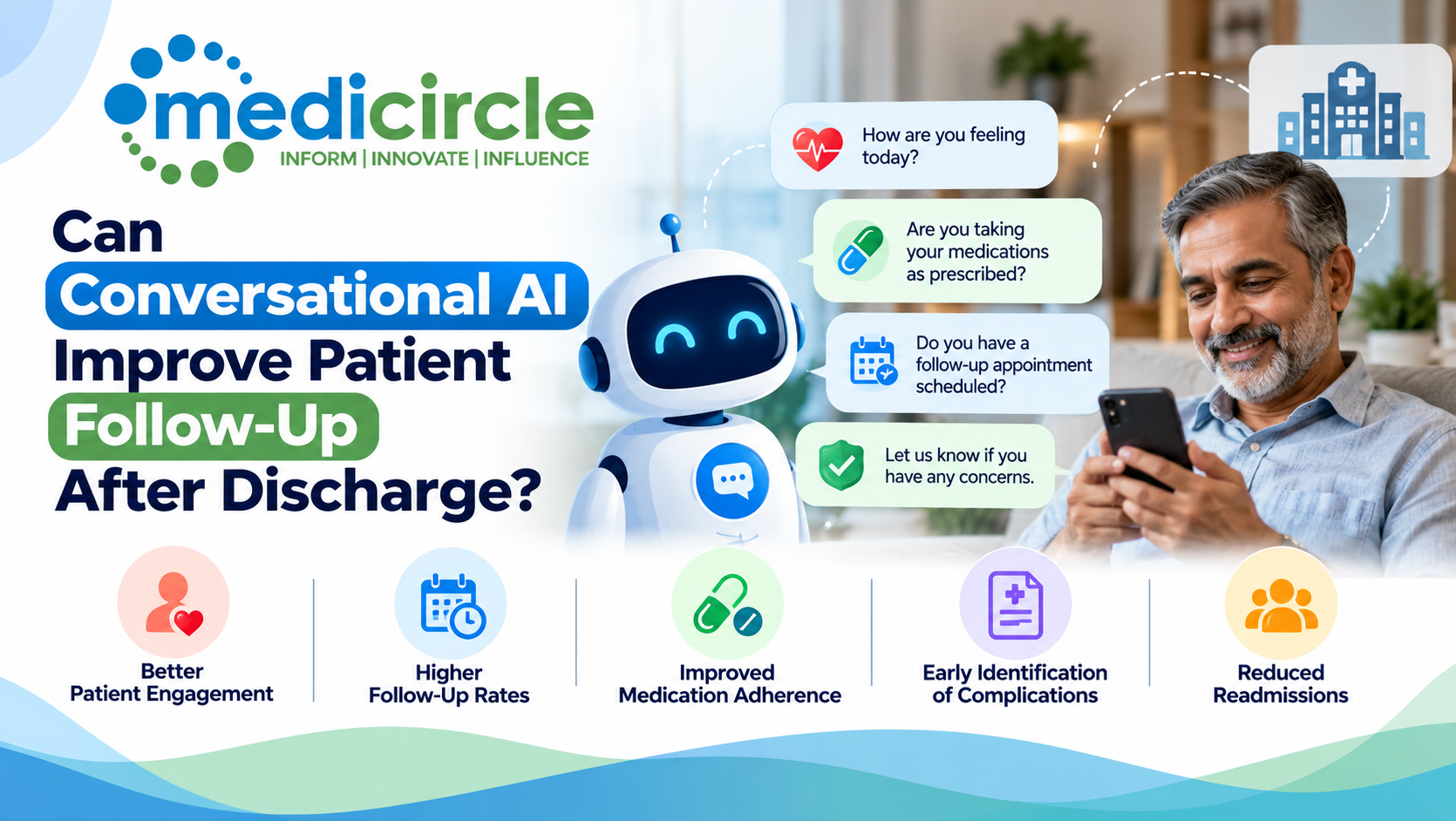
 Conversational AI offers a scalable, cost-effective solution for post-discharge patient follow-up in India, reducing readmissions, improving medication adherence, and bridging critical care gaps through multilingual, intelligent engagement.





Introduction
The moment a patient leaves a hospital after treatment is, in many ways, the most vulnerable point in their healthcare journey. Discharge does not mark the end of care; it marks the beginning of a critical transition period during which complications can silently develop, medications can be missed, and recovery can be derailed. For a country like India, where hospitals handle enormous patient volumes and outpatient follow-up infrastructure remains stretched, this gap in post-discharge care is a serious concern.
Conversational AI is now emerging as a meaningful solution to this challenge. Powered by natural language processing and machine learning, these tools can interact with patients in real time, ask structured health questions, deliver reminders, and flag concerns to care teams before they become emergencies. The question worth examining is not just whether conversational AI can help with patient follow-up, but how effectively it can do so in the specific context of Indian healthcare.
Understanding Conversational AI in the Context of Post-Discharge Care
Conversational AI refers to AI-driven systems that can simulate meaningful human dialogue. In healthcare, this includes chatbots, voice assistants, and intelligent messaging platforms that communicate with patients through WhatsApp, SMS, mobile apps, or interactive voice response systems. These tools are not designed to replace doctors. Their purpose is to maintain a continuous thread of engagement between a patient and the healthcare system after the patient has returned home.
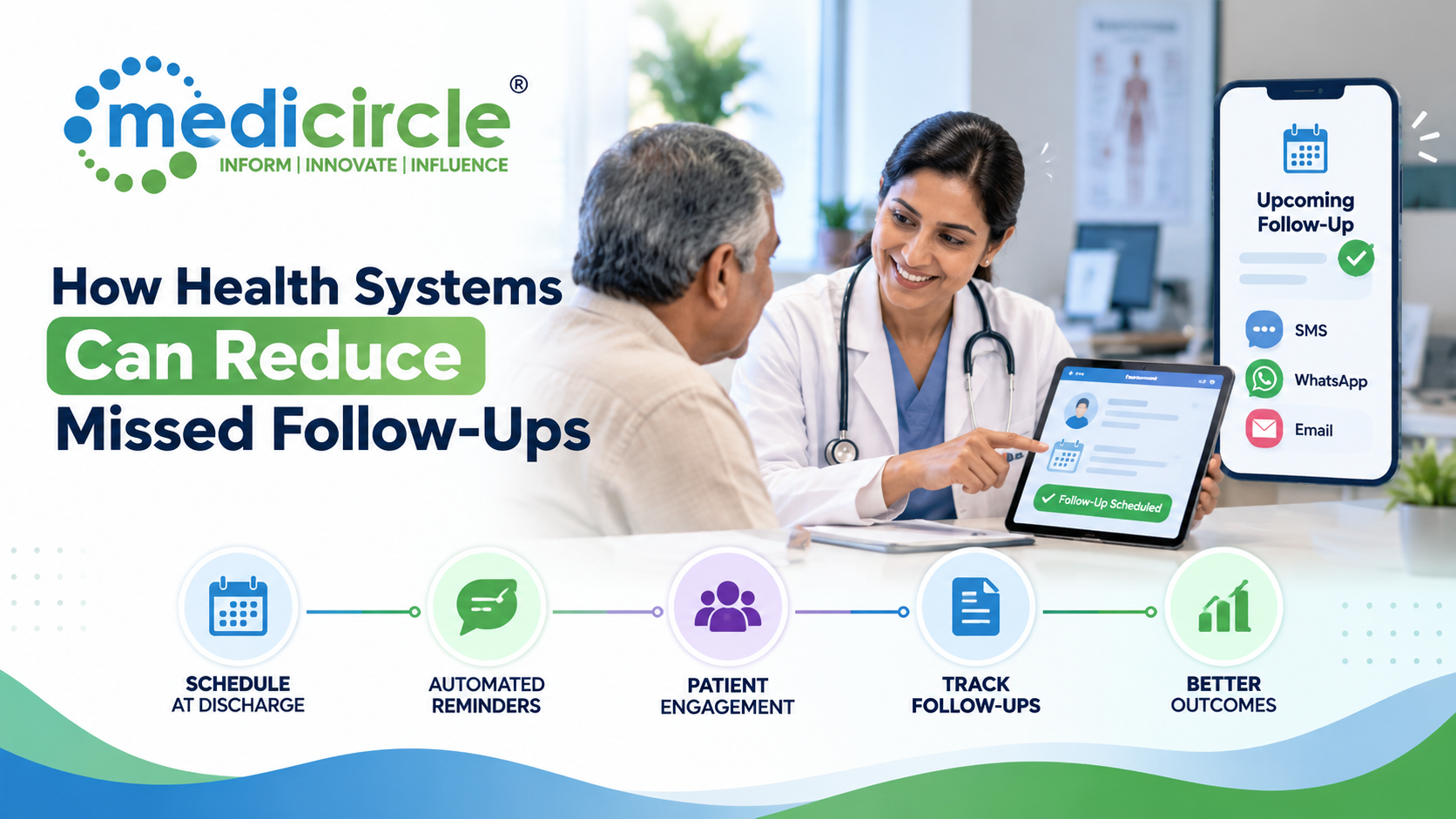
In the post-discharge setting, a conversational AI tool can check in with patients at regular intervals, ask about their symptoms, confirm whether they have taken their prescribed medications, remind them about follow-up appointments, and collect data that is then routed to the clinical team. For a hospital managing thousands of discharged patients monthly, this kind of automated yet personalized communication would be practically impossible to achieve through conventional phone-based follow-up alone.
The core value proposition of conversational AI in this context comes down to availability, scale, and consistency. A well-designed AI system can reach every discharged patient, at the right time, with the right questions, without fatigue and without gaps.
Why Post-Discharge Follow-Up Matters Deeply in India
India's healthcare burden is significant. Conditions such as cardiovascular disease, diabetes, chronic obstructive pulmonary disease, stroke, and surgical complications all carry high risks during the post-discharge period. According to data from the Ministry of Health and Family Welfare, non-communicable diseases account for over 60 percent of all deaths in India. A large proportion of complications, rehospitalizations, and preventable deaths occur in the days and weeks immediately following hospital discharge.
The structural realities of Indian healthcare make this gap even more pronounced. Many patients travel long distances to access tertiary care in metro cities and return home to areas where local medical support is minimal. In Tier 2 and Tier 3 cities, specialist availability is limited, and patients often have no practical way to reach their treating doctor after discharge unless something goes critically wrong. Low health literacy in certain populations further compounds the problem, as patients may not recognize early warning signs that warrant medical attention.
Conversational AI, particularly when deployed through widely used platforms like WhatsApp or through voice-based IVR calls in regional languages, has the potential to bridge this gap significantly. It creates a structured, consistent channel through which patients can receive guidance and through which clinicians can receive early signals of deterioration.
How Conversational AI Tools Actually Work in Patient Follow-Up
The mechanics of conversational AI-based follow-up are more sophisticated than a simple automated message. Modern platforms use clinical logic embedded within their conversation flows to ask context-specific questions based on the patient's diagnosis, treatment, and discharge instructions. A patient discharged after cardiac surgery will receive different follow-up questions than a patient recovering from dengue fever.
These systems typically work through the following process:
- The hospital integrates the AI platform with its electronic health record or hospital information system, which supplies the patient's diagnosis, discharge date, and follow-up schedule.
- The AI initiates contact with the patient at predefined intervals, such as 24 hours post-discharge, day three, day seven, and day fourteen.
- The patient responds through a mobile app, WhatsApp, SMS, or a voice call, and the AI interprets the responses using natural language processing.
- When a response indicates a potential problem, such as new chest pain, uncontrolled blood sugar, or a missed dose of a critical medication, the system escalates the alert to a nurse or physician for review.
- All interaction data is recorded and made available to the clinical team through a dashboard.
This workflow addresses one of the most persistent challenges in post-discharge care: the fact that patients who need attention the most are often the ones least likely to proactively reach out to their doctors.
Evidence and Real-World Application of AI in Follow-Up Care
The global evidence base for conversational AI in patient follow-up is growing steadily. Studies published in journals indexed on PubMed have demonstrated that AI-based follow-up tools can improve medication adherence, increase rates of follow-up appointment attendance, and reduce unplanned hospital readmissions in conditions such as heart failure, pneumonia, and post-surgical recovery. While much of this research originates in Western healthcare settings, the underlying principles translate meaningfully to the Indian context.
Within India, the digital health ecosystem is maturing rapidly. The Ayushman Bharat Digital Mission (ABDM) is building a national health data infrastructure that makes it increasingly feasible to integrate AI-based tools into the care continuum. Several Indian healthtech companies are already developing and piloting conversational AI solutions for patient follow-up, with particular attention to multilingual capabilities that allow the system to communicate in Hindi, Tamil, Telugu, Marathi, Bengali, and other regional languages.
Hospitals under the National Accreditation Board for Hospitals and Healthcare Providers (NABH) quality framework are expected to maintain continuity of care standards, and conversational AI represents a technologically credible means of meeting those expectations at scale.
Addressing the Limitations and Ethical Considerations
It would be incomplete to discuss the promise of conversational AI in post-discharge care without acknowledging its limitations. AI systems are only as effective as the quality of the data they are built on and the clinical logic they are trained to follow. A poorly designed system can miss critical symptoms, generate false reassurance in patients who need urgent attention, or create alert fatigue in clinicians who receive too many low-quality escalations.
Data privacy is another serious consideration. Patient health information shared through AI platforms must be protected under applicable Indian data protection frameworks, and hospitals must be transparent with patients about how their data is being used.
There is also the question of digital access. While smartphone penetration in India has grown substantially, a meaningful portion of older patients and those from lower socioeconomic backgrounds may not be comfortable engaging with AI-based messaging platforms. Hospitals implementing these tools must ensure that they do not inadvertently exclude the patients who are most at risk.
The responsible approach is one where conversational AI operates as a support layer within a broader care model, with human review, clinical oversight, and a clear escalation pathway at every stage. It should extend the reach of the care team, not replace the judgment of trained healthcare professionals.
The Path Forward for Indian Hospitals and Health Systems
Indian hospitals, particularly large multi-specialty institutions in cities such as Mumbai, Delhi, Chennai, Hyderabad, Bengaluru, and Pune, are increasingly recognizing that patient experience does not end at the point of discharge. The growing emphasis on outcomes-based care, patient satisfaction scores, and hospital reputation management is driving interest in structured post-discharge programs.
Conversational AI fits naturally into this strategic direction. It is cost-effective when deployed at scale, it generates valuable longitudinal patient data, and it creates a measurable record of post-discharge engagement that hospitals can use to demonstrate quality of care to regulators, insurers, and accreditation bodies.
For smaller hospitals and nursing homes in Tier 2 cities, cloud-based conversational AI platforms offer a viable entry point that does not require large upfront technology investments. As the ABDM infrastructure matures and health ID adoption increases, the integration of AI follow-up tools with a patient's longitudinal health record will become progressively more practical.
The next few years are likely to see conversational AI shift from a novel addition to a standard component of post-discharge care protocols in progressive Indian healthcare institutions.
Conclusion
Post-discharge care is one of the most consequential and underserved dimensions of patient management in India. Conversational AI does not solve every challenge in this space, but it addresses the most persistent one: the inability of care teams to maintain meaningful, timely contact with every patient after they leave the hospital. When designed thoughtfully, implemented with appropriate clinical oversight, and adapted to the linguistic and socioeconomic realities of Indian patients, conversational AI holds genuine potential to reduce complications, prevent readmissions, and support recovery at a scale that human follow-up alone cannot achieve. Indian healthcare is at a turning point in its digital transformation, and intelligent patient follow-up represents one of the most immediate and impactful opportunities in that journey.
Frequently Asked Questions
Q1: What is conversational AI in healthcare?
Conversational AI in healthcare refers to AI-powered tools such as chatbots and voice assistants that can interact with patients in natural language to answer questions, collect health data, send medication reminders, and support post-discharge recovery.
Q2: How does conversational AI help reduce hospital readmissions?
Conversational AI reduces hospital readmissions by proactively following up with discharged patients, identifying early warning signs through structured symptom checks, reminding patients about medications and appointments, and alerting care teams when intervention may be needed.
Q3: Is conversational AI safe for patient follow-up in India?
When implemented responsibly with human oversight, conversational AI is a safe and effective support tool. It does not replace doctors but assists care teams by maintaining continuous patient contact, especially in regions where access to specialist care is limited.
Q4: Which Indian health programs support the use of AI in patient follow-up?
Initiatives such as the Ayushman Bharat Digital Mission (ABDM) and the broader National Digital Health Mission support digital health infrastructure in India, creating a framework within which AI-based follow-up tools can be integrated into the care continuum.
Q5: Can conversational AI work in regional Indian languages for patient follow-up?
Yes. Several AI platforms are now being developed or adapted to support regional Indian languages, including Hindi, Tamil, Telugu, Marathi, and Bengali, making post-discharge follow-up more accessible and effective for patients in Tier 2 and Tier 3 cities.
Resources
- Ayushman Bharat Digital Mission (ABDM): Official national digital health infrastructure program supporting health data interoperability and digital care tools in India.
- World Health Organization (WHO), India Country Office: Reports and data on non-communicable disease burden, patient outcomes, and digital health recommendations relevant to the Indian context.
- Indian Council of Medical Research (ICMR): Peer-reviewed research and national health data supporting evidence-based clinical practice, including emerging digital health interventions.
- National Accreditation Board for Hospitals and Healthcare Providers (NABH): Quality and accreditation standards for Indian hospitals, including continuity of care and patient engagement requirements.
- PubMed, National Library of Medicine: Indexed research studies on conversational AI, post-discharge patient follow-up, and AI-assisted care outcomes across healthcare settings.
Interlinking Keywords
Conversational AI in healthcare, post-discharge patient care India, AI patient follow-up, hospital readmission prevention, digital health India, Ayushman Bharat Digital Mission, AI chatbot healthcare India, patient engagement technology, NABH accreditation standards, multilingual healthcare AI
Last reviewed by:
Dr. Manthan Tripathi, Medicircle Editorial and Medical Advisory Team on 26, October 2026.
Disclaimer
This article is intended for informational and awareness purposes only. It does not constitute medical advice, diagnosis, or treatment. Readers are advised to consult a qualified and registered healthcare professional before making any healthcare decisions. Medicircle does not endorse any specific technology product, vendor, or AI platform mentioned or implied in this content. All information is provided in good faith based on publicly available evidence at the time of publication.





-23-300x250.png)