Sunday, October 25, 2026
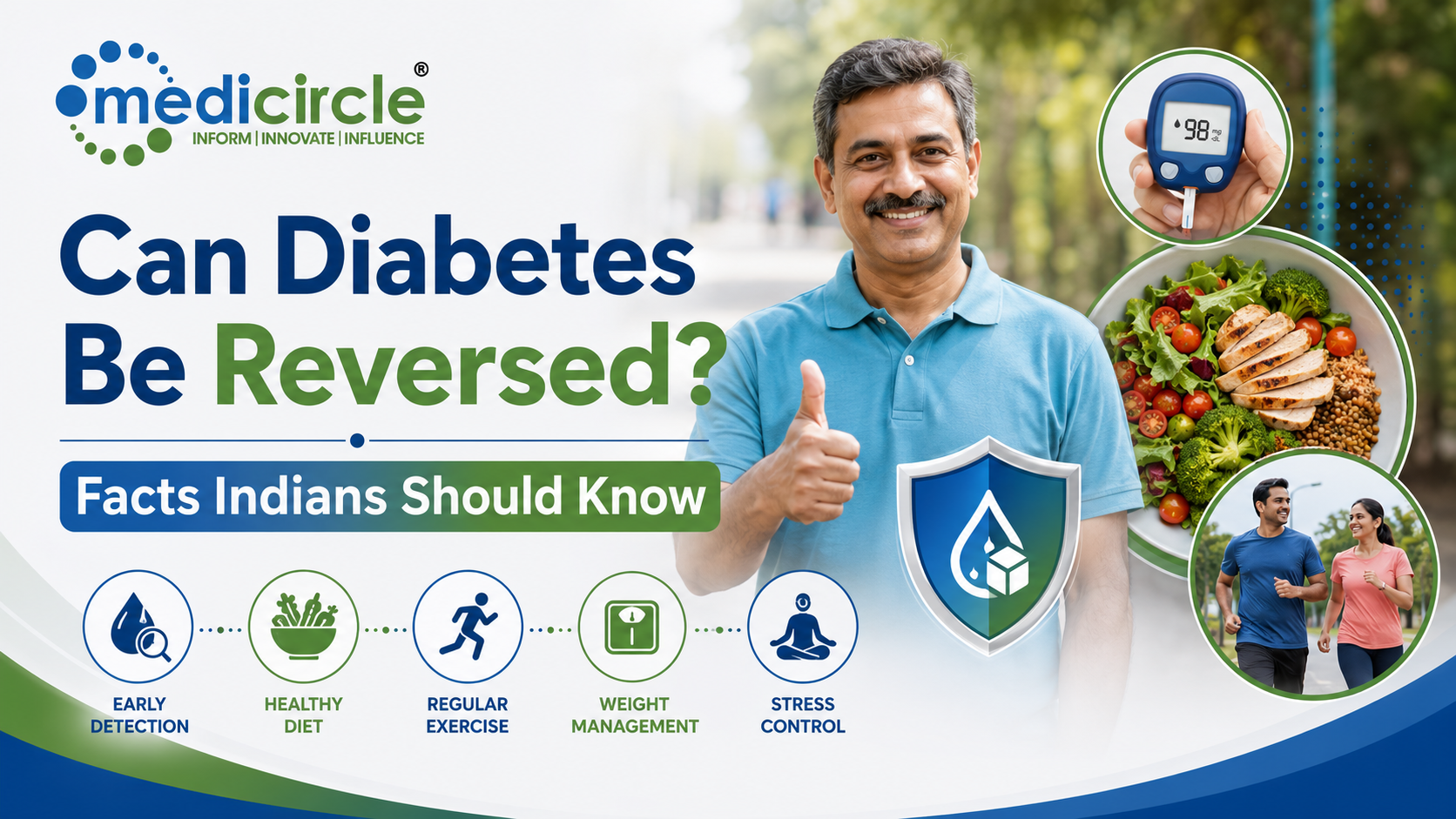
 Type 2 diabetes can often enter remission through sustained weight loss and lifestyle change, though not a permanent cure. This article explains the science, realistic outcomes, and prevention steps for Indian patients.





Introduction
India carries one of the heaviest diabetes burdens in the world. According to the ICMR-INDIAB study, the country's largest and most comprehensive diabetes survey, an estimated 101 million Indians are living with diabetes, and another 136 million have prediabetes. Global data from the International Diabetes Federation places India's diabetes population at close to 89 million adults, the second largest in the world after China. Nearly half of these cases remain undiagnosed, and among those already on treatment, fewer than one in four have their blood sugar under proper control.
Given this scale, it is no surprise that the question "can diabetes be reversed" is one of the most searched health queries in the country. The answer is more nuanced than a simple yes or no. Medical research now confirms that Type 2 diabetes can, in a meaningful number of people, be pushed into remission through sustained weight loss and lifestyle change. This is different from a permanent cure, and understanding that difference matters for anyone trying to make informed decisions about their health.
This article looks at what current evidence says about diabetes reversal, who is most likely to benefit, and what a realistic, medically sound path toward remission looks like for Indian patients.
Understanding Diabetes and Its Types
Diabetes is a long-term metabolic condition in which the body either does not produce enough insulin or does not use it effectively. Insulin is the hormone responsible for moving glucose from the bloodstream into cells, where it is used for energy. When this process breaks down, glucose accumulates in the blood, leading over time to damage in the eyes, kidneys, nerves, and heart.
There are several distinct types of diabetes, and the possibility of reversal differs sharply between them.
Type 1 diabetes results from an autoimmune process in which the immune system destroys the insulin-producing cells of the pancreas. It typically develops in childhood or early adulthood, cannot be prevented, and cannot be reversed. People with Type 1 diabetes require insulin therapy for life.
Type 2 diabetes, which accounts for roughly 95 percent of cases in India, develops when the body's cells become resistant to insulin, often linked to excess body weight, particularly abdominal fat. This is the form of diabetes where reversal, or remission, has been demonstrated in clinical research.
Prediabetes is an intermediate stage where blood sugar is elevated but has not yet crossed the threshold for diabetes. It is a critical window for intervention, since research shows prediabetes can often be reversed entirely with early lifestyle changes.
Gestational diabetes develops during pregnancy due to hormonal changes and insulin resistance. It usually resolves after delivery, but it significantly raises the risk of developing Type 2 diabetes later in life for both mother and child, making follow-up screening essential.
What Does "Reversing Diabetes" Actually Mean
The term commonly used in medical literature is diabetes remission rather than cure. Remission generally refers to achieving an HbA1c level below 6.5 percent, sustained for at least a year, without the use of glucose-lowering medication. Some experts distinguish between partial remission, where blood sugar improves but does not fully normalise, and complete remission, where HbA1c drops below 5.7 percent without medication.
It is important to understand that remission does not mean the underlying tendency toward insulin resistance has disappeared. A landmark narrative review published in the journal Nutrients, examining data from bariatric surgery, low-calorie diets, and carbohydrate-restricted diets, concluded that reversal is achievable through each of these approaches, but that the condition can return if weight is regained or healthy habits lapse. In other words, diabetes reversal is a state that must be actively maintained, not a one-time fix.
Primary Causes and Risk Factors Behind Type 2 Diabetes
Type 2 diabetes rarely develops from a single cause. It is usually the result of several factors acting together over time.
Excess body weight, especially visceral fat around the abdomen and organs, is the single strongest driver of insulin resistance. Genetics also play a significant role, and Type 2 diabetes tends to run in families, though having a family history does not make the condition inevitable. Physical inactivity, diets high in refined carbohydrates and processed foods, chronic stress, poor sleep, and certain hormonal conditions such as polycystic ovary syndrome further increase risk.
India presents a distinct risk profile compared to Western populations. Indians tend to develop insulin resistance and Type 2 diabetes at a lower body mass index than Western populations, a phenomenon often described as the "thin-fat Indian" body composition, where individuals carry proportionally more visceral fat despite a normal or near-normal BMI. Sedentary urban lifestyles, high consumption of refined carbohydrates such as white rice and maida-based foods, and growing rates of childhood obesity in Tier 1 and Tier 2 cities are accelerating this trend further.
Recognising the Symptoms
Type 2 diabetes often develops gradually and silently, which is a major reason nearly half of India's diabetic population remains undiagnosed. Common symptoms include frequent urination, unusual thirst, fatigue, blurred vision, slow healing of wounds, and unexplained weight loss. Some people also notice darkened patches of skin around the neck or armpits, a sign of insulin resistance known as acanthosis nigricans.
Because these symptoms can be mild or easily dismissed, regular screening after the age of 30, or earlier for those with a family history or other risk factors, is strongly recommended rather than waiting for symptoms to appear.
Diagnosis and Medical Evaluation
Diagnosis is usually confirmed through blood tests rather than symptoms alone. The two most common tests are the fasting blood glucose test and the HbA1c test, which reflects average blood sugar over the preceding two to three months and does not require fasting. An oral glucose tolerance test may also be used, particularly during pregnancy to screen for gestational diabetes.
A fasting glucose of 100 to 125 mg/dL or an HbA1c of 5.7 to 6.4 percent indicates prediabetes. A fasting glucose of 126 mg/dL or higher, or an HbA1c of 6.5 percent or above, confirms a diabetes diagnosis. Regular monitoring after diagnosis helps track progress, whether the goal is management or remission.
Treatment Options and Management Strategies
Clinical evidence points to three broad approaches that have shown potential for Type 2 diabetes remission.
Weight loss through lifestyle intervention remains the most accessible and widely recommended route. The UK-based DiRECT trial found that around 46 percent of participants achieved remission at one year through a structured low-calorie diet and weight-management programme, with better outcomes seen in those with a shorter duration of diabetes. In the Indian context, newer studies such as the DiRemI trial are specifically examining intensive lifestyle interventions, including diet, physical activity, and psychological support, tailored to Indian dietary patterns and cultural habits, with a goal of at least 10 percent weight loss alongside medical supervision.
Carbohydrate-restricted eating patterns have also shown meaningful results in clinical trials, with several studies reporting improved HbA1c and reduced medication needs. The American Diabetes Association and the European Association for the Study of Diabetes now recognise low-carbohydrate eating as a legitimate option for managing Type 2 diabetes, though this should always be planned with a doctor or registered dietitian rather than attempted informally.
Bariatric surgery shows the highest remission rates in clinical literature, with some studies reporting remission in up to 80 percent of eligible patients in the short term, though rates decline over the following years. This option is generally reserved for individuals with a BMI of 35 or higher, or lower with significant obesity-related complications, and requires careful long-term follow-up.
Medications such as metformin remain central to standard diabetes management and, in many cases, are used alongside lifestyle change rather than as an alternative to it. Newer classes of medication, including GLP-1 receptor agonists, are increasingly used to support sustained weight loss, though access and affordability remain considerations for many Indian patients.
It is worth noting what research does not support. There is no scientific evidence that any single food, supplement, or short-term detox programme can reverse diabetes on its own. Ayurvedic and other traditional formulations may play a complementary supportive role for some patients, but they should never replace conventional medical treatment or be used to discontinue prescribed medication without a doctor's guidance.
Prevention and Proactive Health Measures
For those with prediabetes or early Type 2 diabetes, prevention and reversal strategies overlap considerably. A few consistent, evidence-backed habits make the most difference over time.
- Aim for gradual, sustainable weight loss rather than rapid crash diets, since sustained results depend on long-term adherence
- Build in at least 150 minutes of moderate physical activity a week, combining walking or cycling with some strength-building exercise
- Reduce refined carbohydrates and processed foods, and increase fibre-rich vegetables, whole grains, and lean protein suited to Indian dietary patterns
- Prioritise sleep quality and find practical ways to manage everyday stress
- Get screened regularly, particularly if there is a family history of diabetes, since early detection dramatically improves the chances of reversal
India's public health system has also expanded its focus on non-communicable disease prevention through the National Programme for Prevention and Control of Non-Communicable Diseases and screening initiatives under Ayushman Bharat, which now include diabetes and hypertension checks at health and wellness centres across the country. Patients are encouraged to make use of these government screening programmes, alongside guidance from their treating physician, as part of a proactive approach to long-term metabolic health.
Healthcare communication also has a role to play here. Platforms like Medicircle exist to help simplify exactly this kind of medical evidence for patients, connect readers with credible expert opinion, and support the broader public health goal of earlier diagnosis and better-informed diabetes care across India.
Conclusion
Type 2 diabetes reversal is not a myth, but it is also not guaranteed, effortless, or permanent. Medical evidence consistently shows that sustained weight loss, whether achieved through structured lifestyle change, dietary modification, or in select cases bariatric surgery, can bring blood sugar into a healthy range without medication for a meaningful number of people, especially when diabetes is caught early. For others, particularly those with a longer duration of diabetes or advanced complications, the realistic goal remains excellent long-term management rather than full remission. Either way, the path forward begins with an honest conversation with a qualified healthcare provider, regular screening, and a willingness to make gradual, sustainable changes rather than searching for a quick fix.
Frequently Asked Questions
Q1: Can diabetes be completely cured?
There is currently no permanent cure for Type 2 diabetes. However, many people can achieve remission, meaning blood sugar stays within a healthy range without medication, through sustained weight loss and lifestyle change.
Q2: How much weight loss is needed to reverse Type 2 diabetes?
Research suggests that losing around 10 to 15 percent of body weight, particularly in the early years after diagnosis, offers the best chance of remission. Even a 5 to 7 percent reduction can meaningfully improve blood sugar control.
Q3: Is Type 1 diabetes reversible?
No. Type 1 diabetes is an autoimmune condition where the pancreas stops producing insulin. It cannot be reversed through diet or lifestyle changes and requires lifelong insulin therapy.
Q4: Can prediabetes be reversed in India?
Yes, prediabetes is often reversible. Structured changes in diet, regular physical activity, and weight management can return blood sugar to a normal range before it progresses to Type 2 diabetes.
Q5: Does diabetes come back after reversal?
It can. Diabetes remission is not permanent for everyone. If healthy habits around diet, weight, and activity are not maintained, blood sugar levels can rise again over time.
Resources
- Indian Council of Medical Research (ICMR): INDIAB national study on diabetes and prediabetes prevalence across Indian states
- World Health Organization (WHO): Global Report on Diabetes and diabetes fact sheets
- National Programme for Prevention and Control of Non-Communicable Diseases, Ministry of Health and Family Welfare: India's national diabetes screening and prevention framework
- PubMed Central (PMC): Peer-reviewed research on Type 2 diabetes remission, including the DiRECT and DiRemI trial data
- International Diabetes Federation (IDF): Global and regional diabetes prevalence data
Interlinking Keywords
Type 2 diabetes management, prediabetes screening in India, insulin resistance, diabetes diet plan, HbA1c test, diabetes prevention tips, bariatric surgery for diabetes, Ayushman Bharat health screening
Last medically reviewed by:
Medicircle Medical Review Panel on July 22, 2026
Medical Disclaimer:
This article is intended for general health awareness and educational purposes only. It is not a substitute for professional medical advice, diagnosis, or treatment. Diabetes management and any decision related to reversing, reducing, or stopping medication must be made in consultation with a qualified physician or endocrinologist. Never alter or discontinue prescribed treatment without medical supervision. Medicircle does not endorse self-diagnosis or self-treatment based on this content.





-23-300x250.png)

.jpeg)


.jpg)
.jpg)
.jpg)
.jpg)
.jpg)
.jpg)
.jpg)
.jpg)
.jpg)