Tuesday, October 27, 2026
 By adopting an age-appropriate testing schedule and maintaining open communication with healthcare professionals, you can confidently protect your future. Real health security begins with staying informed and taking consistent, proactive steps toward prevention.




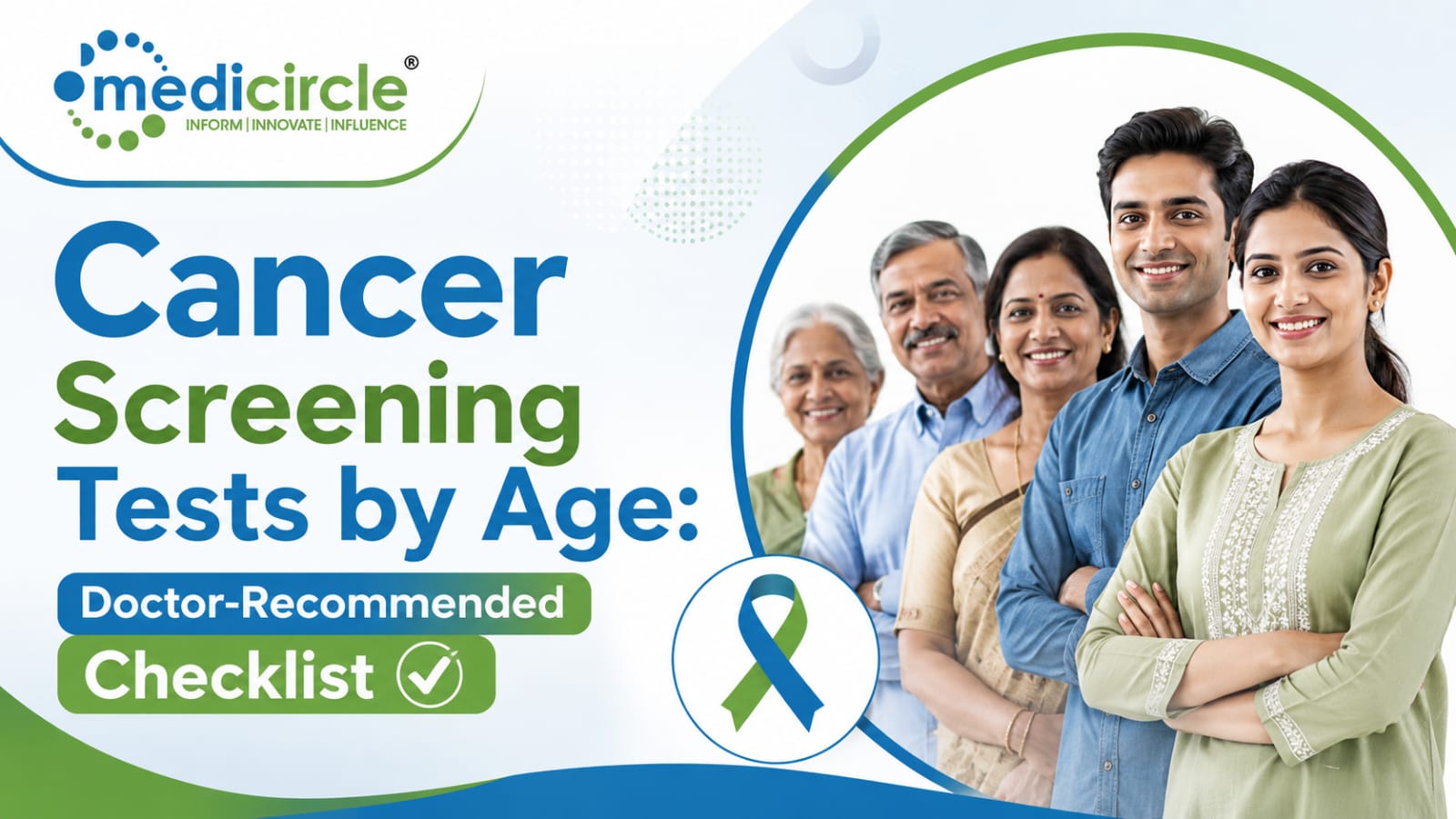
Cancer Screening Tests by Age Checklist
Value of Early Detection
When it comes to treating chronic conditions, timing is everything. For a long time, receiving a medical diagnosis felt overwhelming because people usually only went to the hospital after feeling deeply unwell. Today, preventive oncology shows us that most tumors do not appear overnight. They develop quietly over several years, hidden beneath the surface without causing any pain, sudden weight loss, or obvious physical changes. Waiting for clear warning signs often means giving the disease a head start.
Choosing to undergo a routine health checkup package completely rewrites this script. By looking for tiny, unusual changes in your cells before they ever turn into aggressive tumors, you give yourself the upper hand. Medical data consistently proves that finding localized health issues early makes them incredibly manageable. These early findings often require straightforward, minimally invasive treatments rather than intense therapies. This simple shift from reacting to illness to actively tracking your wellness saves families from immense emotional strain and heavy financial burdens.
Age and Gender Risks
A one-size-fits-all approach cannot work for preventive healthcare because our bodies change with every passing decade. As the years add up, our natural cells go through a lot of wear and tear from life, stress, and environmental factors. This reality makes biological age the single greatest factor in tracking potential health risks. Furthermore, men and women face distinctly different health paths due to unique hormonal profiles and anatomy.
In India, these patterns require special attention. Medical statistics reveal that certain conditions appear much earlier in Indian adults than in many other parts of the world. For instance, breast and cervical health issues frequently impact women during their most active, working years. Meanwhile, factors like lifestyle habits and tobacco use contribute to a higher incidence of lung and oral health challenges among men. Customizing a preventive plan based on your specific age milestones and gender is the smartest way to protect your long-term well-being.
Screening Guide for Women
A woman’s preventive care needs evolve significantly over time. The focus smoothly shifts from monitoring reproductive health in early adulthood to checking metabolic functions and tissue health during and after menopause.
Cervical Health Screenings
Cervical health is incredibly manageable when tracked proactively, as doctors can easily spot precancerous changes before they become serious. Clinical guidelines suggest that women should begin formal check-ups at age 21. For those in their 20s, which includes ages 21 to 29, getting a Pap smear test every three years is the standard way to ensure surface cells remain completely healthy.
Once a woman reaches 30, the strategy updates to include co-testing every five years up until age 65. This process involves combining the traditional Pap smear with an HPV DNA test. Because the Human Papillomavirus is linked to most cervical issues, catching its presence early allows doctors to step in. They can clear up the issue long before any real tissue damage happens.
Breast Mammography Timelines
Breast health is a top priority for women across urban and rural India alike. While regular clinical breast examinations by a trained doctor are a great habit to start in your late 20s, scheduling specialized imaging like a mammography test becomes essential once you turn 40.
Women between 40 and 49 should chat with their physician to decide how often to get checked based on their personal health background. From ages 50 to 74, getting a mammogram every one to two years is highly recommended. For women who happen to have dense breast tissue, doctors will frequently recommend pairing the mammogram with a quick breast ultrasound. This additional step ensures they get an incredibly clear, comprehensive picture.
Screening Checklist for Men
Men have a unique set of physiological risks that call for a clear, organized approach to preventive medicine, especially when it comes to reproductive and respiratory health.
Prostate Health Evaluations
As men enter their 50s, keeping a close eye on prostate health becomes a natural part of staying healthy. The standard protocol relies on a simple PSA blood test (Prostate-Specific Antigen), which is often paired with a brief physical check called a Digital Rectal Examination by a specialist.
Because prostate changes usually happen at a very gradual pace, this routine tracking is highly personalized. Men with an average risk level should start having an open conversation with their doctor about the benefits of PSA testing at age 50. However, if a father, brother, or paternal relative has a history of prostate issues, it is best to start these supportive medical chats a bit earlier, around age 45.
Oral and Colorectal Tracking
Because habits like chewing betel nut or smoking are common in various communities, having a doctor or dentist perform a visual oral check-up during standard visits is an excellent preventive measure for men of all ages.
Alongside this, proactive colorectal cancer screening should officially start at age 45. Men have a few reliable options here. They can choose simple, highly sensitive annual stool tests like the Fecal Occult Blood Test to check for hidden irregularities. Alternatively, they can schedule a colonoscopy test once every ten years. These preventative steps are incredibly valuable because they allow specialists to find and gently remove benign polyps before they can ever evolve into a larger medical issue.
High-Risk Profiles
While standard age charts provide a fantastic foundation for the general public, some individuals have unique health backgrounds or genetic traits that require a more personalized, accelerated screening schedule.
|
Personal Risk Factor |
How It Alters Your Timeline |
Recommended Medical Step |
|---|---|---|
|
Family History |
A close relative has a history of breast, bowel, or ovarian issues. |
Start your routine screenings 10 years before the age your relative was diagnosed. |
|
Genetic Variations |
Carrying specific inherited genes such as BRCA1, BRCA2, or Lynch syndrome. |
Switch to advanced, high-definition monitoring starting around age 30. |
|
History of Heavy Smoking |
Long-term tobacco use, which significantly impacts lung and respiratory health. |
Discuss getting a yearly low dose CT scan once you reach age 50. |
|
Workplace Exposure |
Spending years working directly around industrial chemicals, toxins, or radiation. |
Follow a customized tracking plan designed by an occupational health professional. |
Overcoming Healthcare Barriers
Setting up a steady routine for health screenings across India involves overcoming a few deep-rooted cultural and practical challenges. One of the biggest roadblocks is simply the fear of finding out something is wrong. This anxiety often causes people to avoid the clinic altogether until an illness becomes impossible to ignore. Shifting our perspective to view regular tests as routine maintenance for the body is a massive step forward for community wellness.
Financial worries and living far away from major medical hubs can also make scheduling preventive tests feel difficult. Many families naturally worry that these screenings are an extra, non-essential expense. However, when you look at the long-term picture, catching a health issue early costs only a tiny fraction of what complex, late-stage treatments require. Taking advantage of affordable preventive health packages and community diagnostic camps makes staying on top of your health highly accessible.
Building Your Calendar
Moving from reading about health to actually booking your appointments is simple when you break it down into practical actions.
- Step 1: Write Down Your Family Health History
Start by gathering a clear record of your family’s health background. Note down any major illnesses or conditions experienced by your parents, grandparents, or siblings. List your own lifestyle habits or past medical procedures to share with your doctor.
- Step 2: Have a Detailed Chat with Your Doctor
Book a dedicated wellness visit with a trusted primary care physician. Use this time to go over your notes together. Your doctor can build a personalized screening timeline that fits your age, gender, and unique background perfectly.
- Step 3: Schedule Your Initial Diagnostic Tests
Reach out to a trusted imaging or laboratory center to book your recommended tests. Be sure to ask the staff if there are any basic preparations you need to follow, such as fasting the morning before a blood test.
- Step 4: Keep a Simple File
Save all of your medical results in a designated folder at home or on your phone. Put a quick reminder in your digital calendar for when you are due for your next routine check-up. This step helps you effortlessly maintain your wellness momentum.
Frequently Asked Questions
If my family has absolutely no history of chronic illness, when should I start getting checked?
A: Even with a clear family history, standard adult screenings should still begin in early adulthood. For women, cervical screenings are recommended starting at age 21. General screenings for breast and colorectal health typically become a key part of wellness for everyone between the ages of 40 and 45.
Can a standard complete blood count test show if there is a tumor?
A: A routine CBC is a fantastic tool for measuring overall cellular health and flagging signs of infection or anemia, which might tell a doctor to look a bit closer. However, it cannot directly confirm the presence of solid tumors. For an accurate answer, doctors rely on specific imaging studies or tissue biopsies.
What makes a screening test different from a diagnostic test?
A: Think of a screening test as a proactive safety check done on someone who feels perfectly fine, aiming to catch subtle changes early. A diagnostic test is ordered when someone is already experiencing specific symptoms or had an unusual screening result, helping the doctor pinpoint exactly what is happening.
Should I worry if a screening test gives a false-positive result?
A: Try not to worry. A false-positive simply means the initial test flagged something slightly unusual that needed a second look, but further testing showed everything is completely fine. Screenings are intentionally designed to be incredibly sensitive so that they do not miss anything important.
Conclusion
Taking the time to arrange routine health screenings is one of the most powerful things you can do for your future and your family's peace of mind. Moving past the initial hesitation or nervousness about medical visits allows you to trade worry for clear, actionable knowledge. Today’s diagnostic tools provide the clarity needed to handle potential health changes early, making management incredibly effective and smooth.
Prioritizing preventive care is a beautiful way to value your health and look out for the people who love you. By staying mindful of your age-appropriate milestones and keeping an open line of communication with your doctor, you can step forward with genuine confidence. True health security comes down to staying informed and taking simple, consistent steps to protect your well-being.
By adopting an age-appropriate testing schedule and maintaining open communication with healthcare professionals, you can confidently protect your future. Real health security begins with staying informed and taking consistent, proactive steps toward prevention.





-23-300x250.png)

.jpeg)






.jpg)
.jpg)
.jpg)
.jpg)
.jpg)
.jpg)
.jpg)
.jpg)
.jpg)