Monday, October 26, 2026
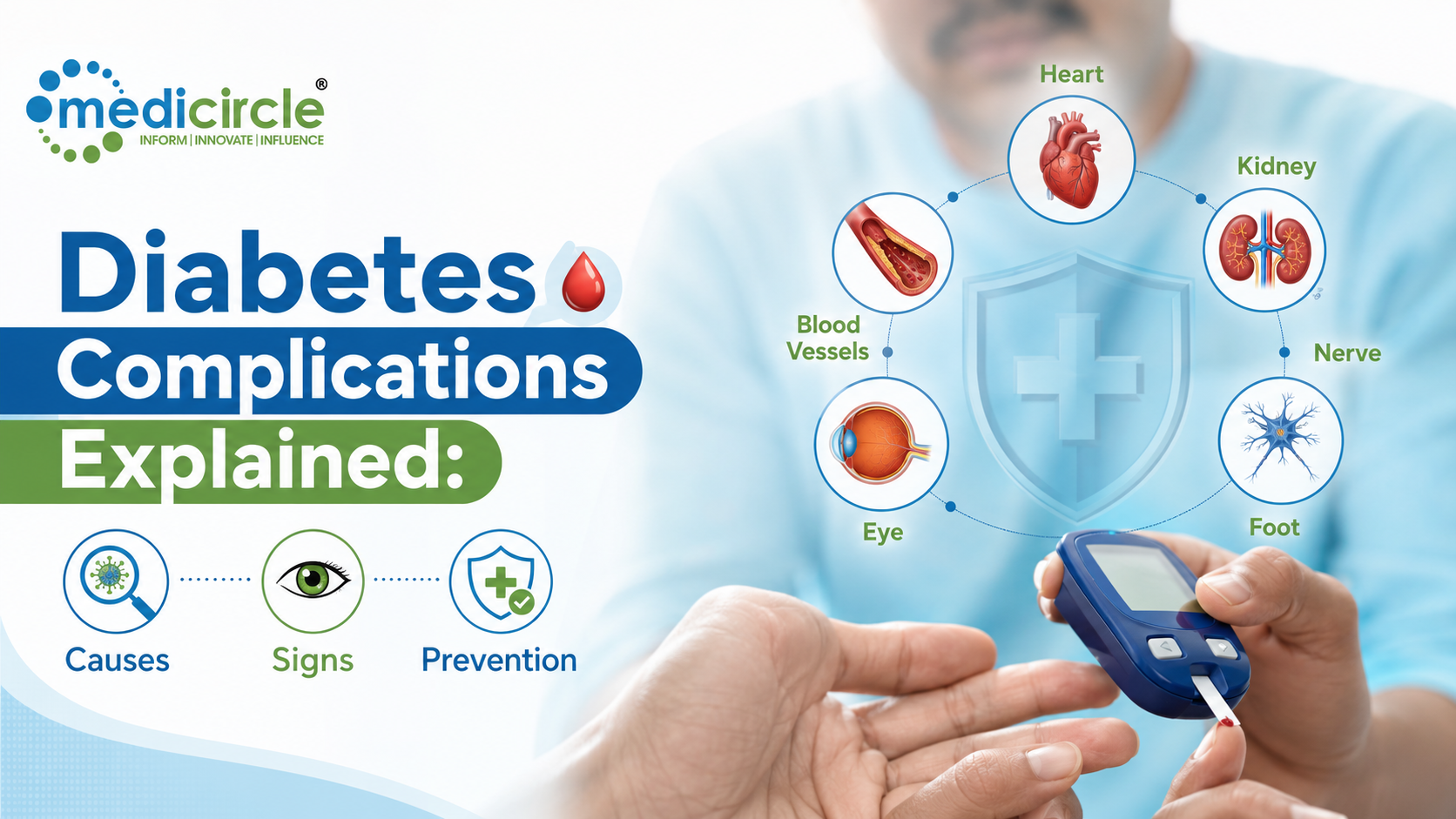
 Diabetes complications affect the heart, kidneys, eyes, nerves, and feet, developing silently over time. Early screening, consistent blood sugar control, and lifestyle adjustments can significantly reduce risks for Indian patients.





Introduction
Diabetes is one of the most widespread chronic health conditions in India today, and its true impact often lies not in the diagnosis itself but in what happens years later if blood sugar levels remain poorly controlled. Diabetes complications develop gradually, frequently without early symptoms, and can affect nearly every major organ system in the body. Understanding how and why these complications occur is essential for every person living with diabetes, as well as for their families and caregivers.
India is now home to one of the largest diabetic populations in the world, with millions of people living with the condition across both urban and rural regions. Many individuals remain unaware that they have diabetes until a complication such as vision trouble, kidney impairment, or a non-healing foot wound brings them to a doctor. This makes awareness around diabetes complications not just useful but necessary for long-term health protection.
This article explains the primary types of diabetes complications, their causes, warning signs, diagnostic approaches, treatment options, and prevention strategies, with particular attention to the Indian healthcare context.
Understanding How Diabetes Leads to Complications
Diabetes occurs when the body either does not produce enough insulin or cannot use insulin effectively, resulting in elevated blood glucose levels. Over time, this excess glucose in the bloodstream causes damage to blood vessels and nerves throughout the body. Since blood vessels and nerves are present in almost every organ, the effects of prolonged high blood sugar can be widespread.
Complications are typically divided into two broad categories. Acute complications, such as very high or very low blood sugar episodes, can develop quickly and require immediate medical attention. Chronic complications, on the other hand, build up silently over years and are often linked to how well blood sugar has been controlled over time. Doctors commonly use markers such as HbA1c, which reflects average blood glucose over a three-month period, to assess long-term control and complication risk.
Primary Causes and Risk Factors
Several factors influence the likelihood of developing diabetes complications. Poor or inconsistent blood glucose control remains the leading cause, but it rarely acts alone.
High blood pressure and elevated cholesterol levels frequently accompany diabetes and accelerate damage to blood vessels. Smoking and tobacco use, which remain common in several parts of India, significantly worsen circulation problems associated with diabetes. Excess body weight, particularly abdominal obesity linked to Indian dietary patterns rich in refined carbohydrates, adds further metabolic strain.
Duration of diabetes also matters considerably. A person who has lived with diabetes for fifteen or twenty years carries a higher complication risk than someone recently diagnosed, even if both currently have similar blood sugar readings. Genetic predisposition, which is notably strong among Indian populations, along with limited access to regular screening in many Tier 2 and Tier 3 cities, further compounds this risk.
Recognizing the Symptoms
Many diabetes complications develop without obvious early symptoms, which is precisely why they are considered dangerous. However, certain warning signs deserve attention.
- Blurred vision, dark spots, or difficulty seeing at night may indicate diabetic eye disease.
- Numbness, tingling, or burning sensations in the feet or hands often point toward nerve damage.
- Swelling in the legs, persistent fatigue, or foamy urine can signal kidney involvement.
- Slow-healing wounds or sores on the feet may indicate poor circulation and reduced sensation.
- Chest discomfort, breathlessness, or unusual tiredness during routine activity may reflect underlying heart strain.
Because these symptoms can appear subtle at first, doctors generally encourage diabetic patients not to wait for symptoms before undergoing screening tests.
Diagnosis and Medical Evaluation
Diagnosing diabetes complications involves a combination of laboratory tests, physical examinations, and organ-specific screenings. Blood tests measuring HbA1c, fasting glucose, kidney function markers such as creatinine and urine albumin, and lipid profiles form the foundation of routine monitoring.
Eye examinations, including dilated retinal checks, help detect diabetic retinopathy before vision loss occurs. Nerve conduction studies or simple bedside sensory tests can identify early neuropathy. Cardiac evaluations, including ECG and stress testing when indicated, assess cardiovascular risk. Foot examinations, often overlooked, are equally important given the risk of ulcers and, in severe cases, amputation.
In India, initiatives under the Ayushman Bharat scheme and the National Programme for Prevention and Control of Non-Communicable Diseases have expanded access to some of these screenings, although availability still varies considerably between urban centres and smaller towns. Platforms like Medicircle play a role here by helping patients understand which tests matter and encouraging timely conversations with healthcare providers, without replacing professional medical guidance.
Treatment Options and Management Strategies
Managing diabetes complications requires a combination of blood sugar control and condition-specific treatment. Medications, including oral antidiabetic drugs and insulin therapy, remain central to keeping glucose levels within target ranges. For cardiovascular protection, doctors often prescribe blood pressure and cholesterol-lowering medications alongside diabetes treatment.
Kidney-related complications may require dietary protein adjustments, blood pressure control, and in advanced cases, dialysis or transplantation. Nerve pain is typically managed with specific medications designed to reduce discomfort, along with strict glucose control to slow further nerve damage. Eye complications may need laser treatment or other ophthalmic procedures depending on severity.
Foot care deserves particular emphasis in the Indian context, where barefoot walking, delayed wound reporting, and limited access to podiatric care in rural areas increase the risk of severe outcomes. Daily foot inspection, proper footwear, and prompt treatment of even minor injuries can prevent progression to serious ulcers.
Prevention and Proactive Health Measures
Prevention remains the most effective strategy against diabetes complications. Consistent blood glucose monitoring, taking prescribed medications as directed, and maintaining regular follow-up appointments form the foundation of proactive care.
Dietary modifications suited to Indian eating habits, such as reducing refined carbohydrates like white rice and maida, increasing fibre intake through whole grains and vegetables, and moderating portion sizes of traditional sweets, can meaningfully improve glucose control. Regular physical activity, even something as simple as a daily thirty-minute walk, helps improve insulin sensitivity.
Routine health checkups covering eyes, kidneys, heart, and feet should not be delayed even when a person feels well, since many complications progress silently. Managing stress and prioritising adequate sleep also contribute to better metabolic control, though these factors are often underestimated.
Digital health tools, including India's Ayushman Bharat Digital Mission, are gradually making it easier for patients to maintain consolidated health records, which can help doctors track complication risk over time more effectively.
Conclusion
Diabetes complications are largely a consequence of prolonged, poorly managed blood glucose levels affecting the heart, kidneys, eyes, nerves, and feet. While the range of potential complications may seem concerning, the encouraging reality is that most of them can be delayed, reduced, or in some cases prevented entirely through consistent monitoring, timely screening, and appropriate lifestyle adjustments. For the millions of people living with diabetes across India, understanding these risks is not about fear but about empowerment. Awareness, combined with regular medical guidance, remains the strongest defence against long-term diabetes-related harm.
Frequently Asked Questions
Q1: What are the most common complications of diabetes?
The most common complications include heart disease, kidney damage, nerve damage, eye disease, and foot problems. These occur when high blood glucose levels are not managed over a long period of time.
Q2: Can diabetes complications be reversed?
Some early-stage complications can be slowed or partially improved with proper blood sugar control, lifestyle changes, and timely medical treatment. Advanced organ damage is generally difficult to reverse completely, which makes early detection important.
Q3: How often should a diabetic patient in India get health screenings?
Most doctors recommend eye examinations, kidney function tests, foot checks, and cardiovascular risk assessments at least once a year, with more frequent monitoring for those who already show early signs of complications.
Q4: Why are diabetes complications more concerning in India?
India has one of the largest diabetic populations in the world, and many cases go undiagnosed for years due to limited screening in smaller towns, which allows complications to develop silently before diagnosis.
Q5: What lifestyle changes help prevent diabetes complications?
Maintaining stable blood glucose levels, eating a balanced diet suited to Indian dietary patterns, staying physically active, managing blood pressure and cholesterol, and attending regular medical checkups all help reduce the risk of complications.
Resources
- World Health Organization: Global guidelines and data on diabetes and its complications
- Indian Council of Medical Research (ICMR): India-specific diabetes research and clinical guidelines
- National Institute of Diabetes and Digestive and Kidney Diseases (NIDDK): Patient education on diabetes complications
- Ministry of Health and Family Welfare, Government of India: National Programme for Prevention and Control of Non-Communicable Diseases
- PubMed Central: Peer-reviewed research on diabetes pathophysiology and complications
Interlinking Keywords
diabetes management, blood sugar control, diabetic foot care, diabetic retinopathy, kidney disease and diabetes, HbA1c testing, insulin therapy, Ayushman Bharat healthcare schemes, heart disease prevention, diabetic neuropathy
Last medically reviewed by
Medicircle Medical Advisory Team, on July 21, 2026
Medical Disclaimer
This article is intended for general informational and educational purposes only and should not be considered a substitute for professional medical advice, diagnosis, or treatment. Always consult a qualified physician or healthcare provider regarding any medical condition, symptoms, or before making changes to treatment plans. Medicircle does not endorse any specific product, medication, or treatment mentioned or implied in this article.





-23-300x250.png)

.jpeg)

.jpg)
.jpg)
.jpg)
.jpg)
.jpg)
.jpg)
.jpg)
.jpg)
.jpg)