 Tuesday, October 27, 2026
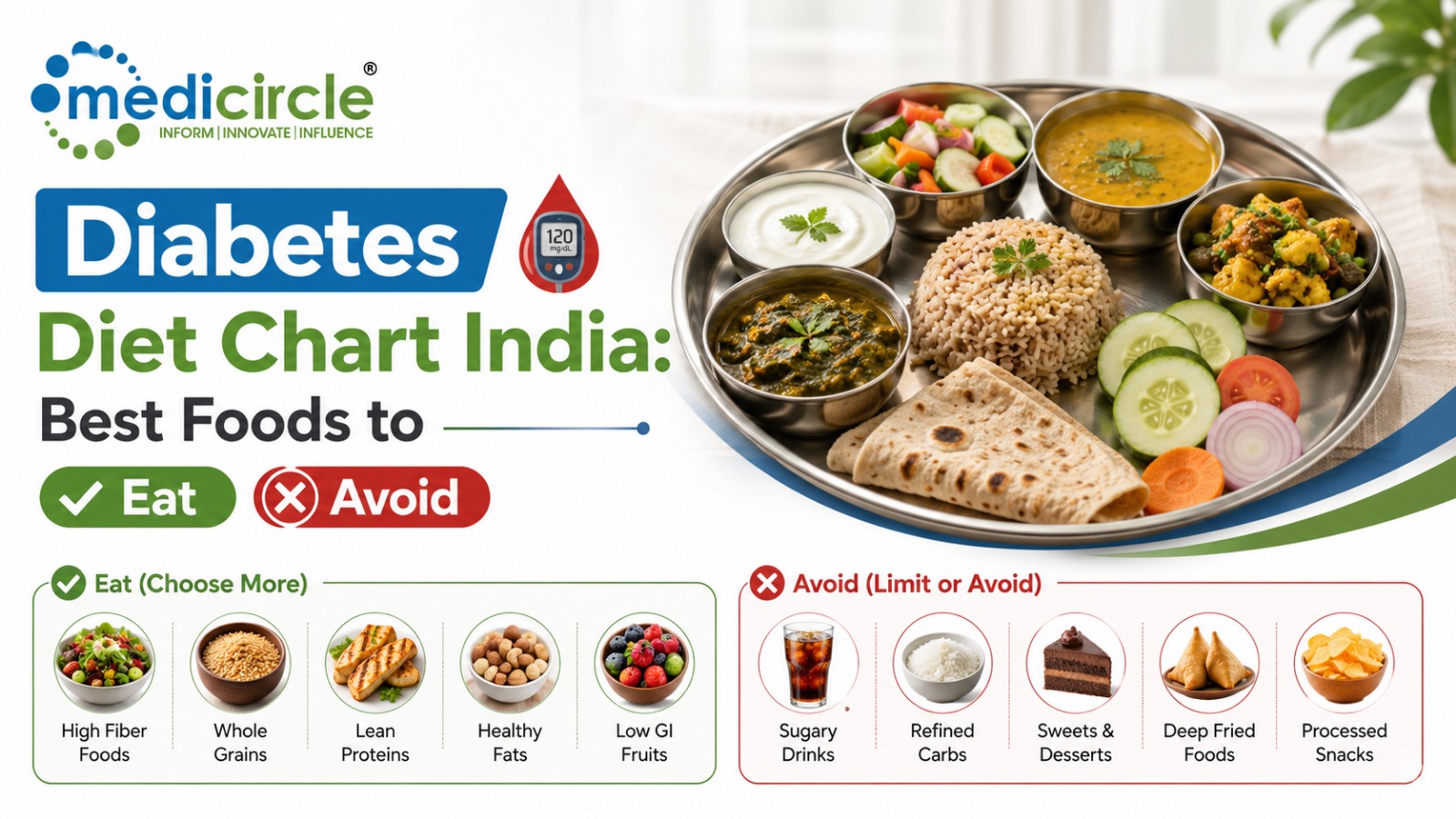
 Managing diabetes successfully through an Indian diet is achievable by pairing fiber-rich millets, plant proteins, and fresh greens with proper portions and consistent meal timing.




Discovering you have diabetes or prediabetes often brings an immediate sense of dread about food. In an Indian household, where love is expressed through a heap of warm basmati rice, soft rotis, and festive sweets, changing your diet can feel like losing a piece of your culture. But here is the reassuring reality: managing your blood sugar does not mean clearing out your pantry or eating bland, uninspiring meals.
The secret to a sustainable diabetes diet chart India lies in working with our traditional culinary heritage rather than fighting against it. Because the standard Indian diet naturally centers on heavy carbohydrates, standard meals can easily cause your glucose levels to swing up and down. By understanding how our bodies process different local ingredients, you can make simple, intentional changes that stabilize your metabolism, achieve sugar control food habits, and keep your taste buds happy.
Understanding Carbohydrates
To make smart food choices, it helps to understand how different foods behave once they leave your dinner plate. Every carbohydrate you consume eventually breaks down into glucose, which your body uses for energy. However, the speed of this breakdown varies dramatically from one food to another.
This speed is tracked using the Glycemic Index (GI), which is a simple ranking system from 0 to 100.
- High-GI Foods: These break down almost instantly, sending a sudden flood of sugar into your bloodstream. Your pancreas has to rush out a massive dose of insulin to handle the spike. Over time, these frequent rollercoasters exhaust your cells, worsening insulin resistance.
- Low-GI Foods: These take their time. They digest slowly, trickling glucose into your system at a calm, predictable pace.
Many modern Indian staples, such as white rice, highly processed maida (refined flour), and potatoes, sit high on the GI scale. Transitioning toward low GI foods for diabetes control keeps your energy steady, eliminates sudden energy crashes, and supports your heart health.
Best Foods to Eat
Our local markets are bursting with ingredients that naturally support healthy blood sugar. You do not need expensive, imported superfoods because the best options are likely already sitting in your kitchen or available at the neighborhood vegetable vendor. If you are structuring an Indian diet chart for diabetic patient choices, focus heavily on these three foundational categories.
Grains and MilletsYou do not have to banish flatbreads or porridge from your breakfast table. The trick is to step away from overly processed white flours and white rice, which have had all their beneficial fiber stripped away.
Instead, experiment with traditional Indian millets like jowar (sorghum), bajra (pearl millet), and ragi (finger millet). These ancient grains are naturally packed with dietary fiber, acting as an internal speed bump that slows down digestion. If you prefer wheat, try mixing your regular atta with chickpeas or bran, or switch to broken wheat (daliya) and steel-cut oats for a comforting, filling breakfast.
Proteins and DalsProtein is an absolute game-changer for anyone looking at how to control diabetes naturally. It does not cause sudden blood sugar spikes, keeps you feeling full for hours, and helps protect your muscles.
Traditional Indian meals have an excellent protein foundation in our wide variety of dals and legumes. Incorporating a generous bowl of moong, masoor, chana, or arhar dal into your main meals creates a natural buffer against carbohydrate absorption. Adding fresh sprouts to your salads provides a vibrant, crunchy metabolic boost. For dairy lovers, unflavored curd (dahi) and fresh paneer are fantastic options. If you eat non-vegetarian food, skinless chicken, eggs, and fresh fish are excellent, lean additions to your weekly routine.
Fresh Green VegetablesIf there is one area of your plate where you can truly indulge, it is with non-starchy vegetables. Green leafy options like spinach (palak), fenugreek (methi), and mustard greens (sarson) are incredibly low in carbohydrates but packed with vital nutrients.
Make sure to include plenty of gourds, such as bottle gourd (lauki) and bitter gourd (karela). Karela contains natural, active plant compounds that help your body process glucose more effectively. Cauliflower, cabbage, okra (bhindi), and crisp bell peppers are also fantastic options that add volume, texture, and crunch to your meals without compromising your blood sugar.
|
Food Category |
Smart Options to Focus On |
|---|---|
|
Grains and Millets |
Jowar, Bajra, Ragi, Oats, Daliya, Brown Rice |
|
Proteins and Dals |
Moong, Chana, Whole Sprouts, Paneer, Plain Curd, Fish, Eggs |
|
Vegetables |
Spinach, Methi, Karela, Lauki, Cauliflower, Cabbage, Bhindi |
|
Nuts and Seeds |
Almonds, Walnuts, Flaxseeds, Chia Seeds, Roasted Chana |
Foods to Avoid
Just as important as adding nutritious items is recognizing the common kitchen culprits that can quietly disrupt your health goals. Many everyday habits and processed conveniences can cause your blood sugar to spike unexpectedly.
Refined White FlourItems made with maida, including bakery biscuits, white bread, samosas, and fluffy naans, are incredibly fast-digesting. Because the fiber has been completely removed during milling, your digestive tract converts them into pure sugar within minutes. White rice behaves the exact same way when eaten in large quantities. Minimizing these processed items is one of the fastest ways to bring your daily numbers back into a healthy range.
Sweet LiquidsIt is easy to spot the danger in a piece of gulab jamun or jalebi, which are packed with refined sugars and heavy fats. However, liquid sugars can be even more deceptive.
Commercial fruit juices, fizzy sodas, and even your morning tea or filter coffee loaded with sugar introduce instant glucose straight into your bloodstream. Because there is no solid food to slow it down, your metabolism takes a direct hit. It is also vital to know that natural alternatives like jaggery (gur) and honey are not free passes. Your body still treats them as simple sugars, meaning they will spike your levels just like white sugar.
Starchy Root CropsVegetables are generally excellent for your health, but root vegetables require a bit of caution. Potatoes, sweet potatoes, yams (suran), and tapioca are rich in pure starch, giving them a much higher glycemic load. You do not have to banish them forever, but they should never be the star of your meal. Treat them as a minor ingredient, and always pair them with plenty of fiber and protein to balance out the meal.
Smart Snacking Choices
The late afternoon is often when well-intentioned choices fall apart. When the hunger hits around tea time, it is incredibly easy to reach for a packet of fried namkeen, packaged rusks, or sugary biscuits.
A smarter approach is to plan ahead with snacks that provide steady, sustained energy. Keep a small container of plain almonds or walnuts nearby because their combination of healthy fats and plant protein keeps hunger at bay without affecting your blood sugar.
Crisp, dry-roasted makhana (foxnuts) or roasted chana offer a deeply satisfying crunch with very few calories. Alternatively, a refreshing bowl of fresh sprout salad tossed with chopped cucumbers, tomatoes, and a squeeze of lemon juice provides a wonderful energy boost that keeps you satisfied until dinner.
Managing Portions Carefully
Even the healthiest food can overwhelm your metabolism if you eat too much of it at once. You do not need to weigh your food or count every single calorie to get great results. Instead, rely on the simple visual layout of the plate method to manage your portions effortlessly.
Ensure that half of your plate consists of non-starchy vegetables. One quarter of your plate should feature lean protein or lentils, while the remaining one quarter can be allocated to whole grains or millets.
Consistency in your daily routine is just as crucial as what you put on your plate. Skipping breakfast or letting yourself starve for long stretches can cause your blood sugar to drop dangerously low, setting off intense cravings that lead to overeating later in the day. Eating well-balanced meals at predictable, regular times gives your body a reliable rhythm, making it much easier to keep your glucose levels smooth and steady.
Frequently Asked Questions
Can I use jaggery instead of sugar?
Unfortunately, no. Jaggery is often marketed as a healthier choice because it contains small amounts of iron and minerals. However, your body breaks it down into glucose almost exactly the same way it handles white table sugar. It will still cause a significant blood sugar spike and should be avoided or strictly limited.
Should I avoid white rice?
You do not have to give it up forever, but moderation is key. White rice digests very quickly, so swapping it for brown rice, red rice, or broken millets is highly recommended. If you do eat white rice, keep the portion very small, around a quarter of your plate, and ensure it is balanced by a large serving of fiber-rich vegetables and a quality protein source.
Which fruits are safe?
Fruits are packed with vitamins and antioxidants, but they do contain natural sugars. Stick to low-GI, high-fiber choices like whole guavas, apples, pears, papayas, and citrus fruits like oranges. It is best to enjoy them whole rather than juiced, and keep higher-sugar fruits like mangoes, bananas, and chiku to small, occasional treats.
Does drinking water help?
Yes, staying well-hydrated plays a direct role in regulating your blood sugar. When your body is properly hydrated, your kidneys can efficiently filter out excess glucose and flush it out through your urine. Drinking plenty of water also prevents blood concentration from dropping, which can artificially raise your sugar numbers.
Conclusion
Taking control of your health through an Indian diet is entirely doable with a few mindful, daily shifts. By leaning into our rich tradition of whole grains, fiber-packed lentils, and fresh green vegetables, you can build a lifestyle that protects your metabolism while keeping your meals thoroughly enjoyable. True success is not about starvation or deprivation because it is about choosing whole, unrefined foods and stepping away from modern processed shortcuts. When you pair these smart food choices with consistent meal times and simple daily movement, you create a sustainable foundation for a healthy, vibrant life.





-23-300x250.png)

.jpeg)






.jpg)
.jpg)
.jpg)
.jpg)
.jpg)
.jpg)
.jpg)
.jpg)
.jpg)



