Sunday, October 25, 2026
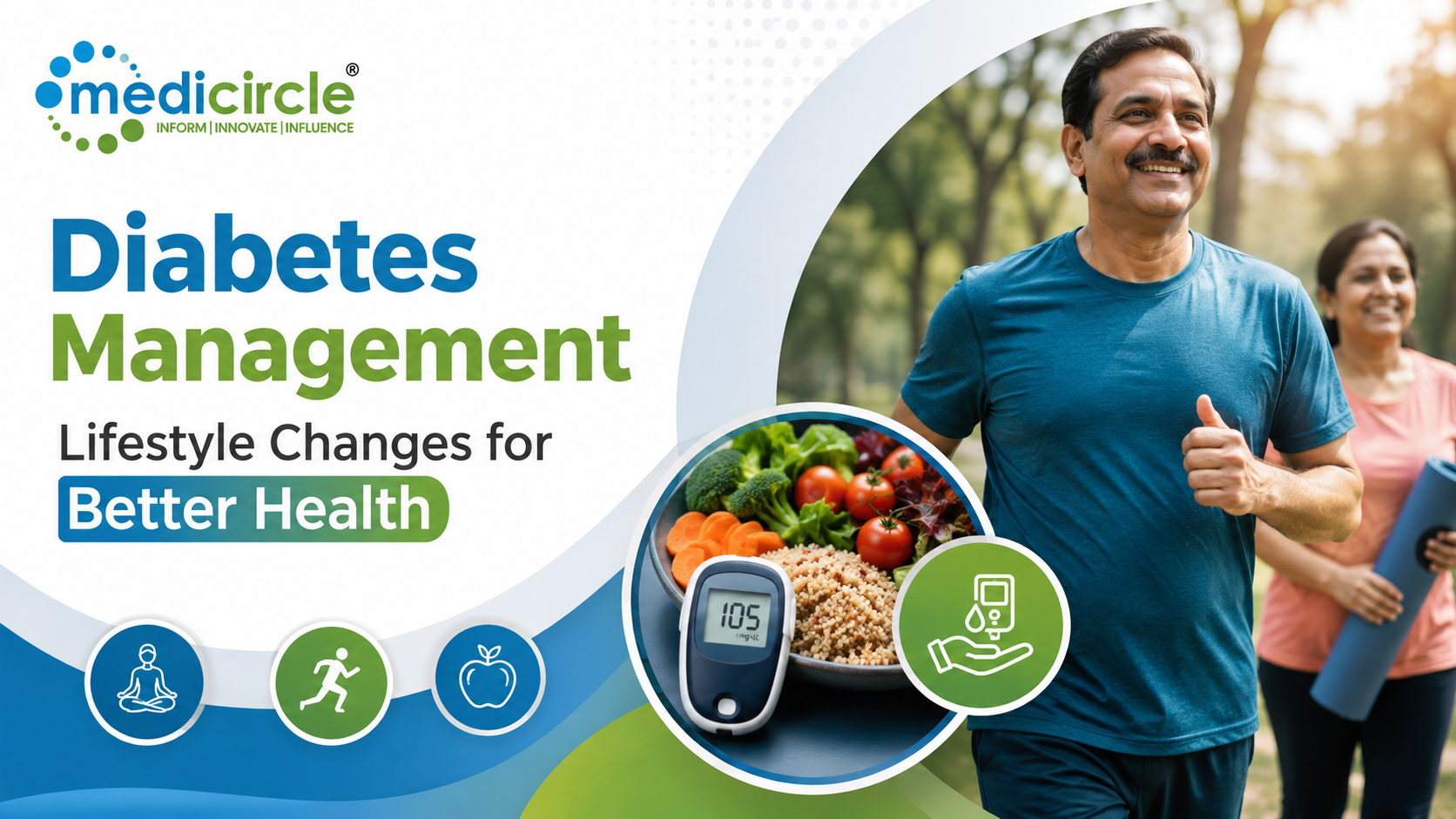
 Diabetes management in India requires consistent lifestyle changes including diet, exercise, stress control, and sleep. Informed daily habits significantly improve blood sugar regulation and prevent long-term complications.





Introduction
India is facing one of the most significant public health challenges of this century. According to the Indian Council of Medical Research, India is home to more than 100 million people living with diabetes, earning the country the troubling designation of the diabetes capital of the world. Type 2 diabetes, which accounts for the overwhelming majority of cases, is deeply tied to the way people live, eat, move, and manage stress.
What makes this situation both alarming and hopeful at the same time is this: diabetes is not only treatable but also, in many cases, significantly controllable through informed and consistent lifestyle changes. Medication plays an important role in diabetes management, but it works best when supported by meaningful changes in daily habits. The foods a person eats, the amount of physical activity they engage in, the quality of sleep they get, and the way they handle emotional stress all have a direct and measurable impact on blood sugar regulation.
For millions of Indians navigating this condition, understanding the connection between everyday choices and long-term health outcomes is not just medically important. It is life-changing. This article provides a comprehensive, evidence-based guide to lifestyle modifications that can help people with diabetes manage their condition more effectively, reduce complications, and improve their overall quality of life.
Understanding Diabetes and Why Lifestyle Matters
Diabetes is a metabolic condition characterized by persistently elevated blood glucose levels, either due to insufficient insulin production, ineffective insulin utilization, or both. Type 2 diabetes, the most prevalent form in India, is largely driven by insulin resistance, where the body's cells stop responding adequately to insulin.
While genetics and family history do play a role, the rise of type 2 diabetes in India has been accelerated by rapid urbanization, increasingly sedentary occupations, dietary shifts away from traditional whole foods toward refined and processed options, and rising stress levels across age groups. The good news, supported by decades of research, is that these same lifestyle factors, when consciously addressed, can reverse insulin resistance, stabilize blood glucose, and in some individuals even bring the condition into remission.
Managing diabetes through lifestyle is not about following a rigid and joyless routine. It is about making informed, sustainable choices that align with the body's needs and India's rich cultural context.
Dietary Habits: The Foundation of Blood Sugar Control
Choosing the Right Foods for the Indian TableFood is the most powerful variable in diabetes management. Every meal influences blood glucose levels, and over time, consistent dietary choices shape the overall trajectory of the condition. For Indian individuals with diabetes, navigating this is particularly nuanced, given the carbohydrate-rich nature of traditional Indian cuisine.
The key principle is not to eliminate carbohydrates entirely but to choose the right kinds and consume them in appropriate quantities. Foods with a low glycemic index release glucose slowly into the bloodstream, preventing sharp spikes. These include whole grains such as brown rice, oats, barley, jowar, and bajra. These millets, deeply embedded in Indian culinary heritage, are excellent options for people with diabetes and deserve far more prominence on the modern Indian plate.
Non-starchy vegetables such as leafy greens, ridge gourd, bottle gourd, bitter gourd, cauliflower, and broccoli should form a substantial portion of every meal. Lean protein sources such as moong dal, chana, tofu, paneer made from low-fat milk, eggs, and fish help stabilize post-meal blood sugar and improve satiety. Healthy fats from sources like mustard oil used in moderate quantities, nuts, and seeds support metabolic health without raising glucose.
Refined white rice eaten in large portions, white bread, maida-based foods like parathas made with refined flour, sugary mithai, packaged biscuits, and sweetened beverages including chai made with excessive sugar are the dietary habits most likely to worsen blood sugar control and should be significantly reduced.
Meal Timing and Portion ManagementResearch published in the journal Clinical Diabetes highlights the importance of not just what is eaten but when. Skipping breakfast consistently has been associated with higher insulin resistance. Eating larger meals earlier in the day, when the body's glucose tolerance is generally higher, supports better blood sugar regulation. A heavy dinner eaten late at night, which is a common habit in many Indian households, tends to drive up fasting glucose levels the next morning.
Portion control is equally critical. A practical approach is the plate method: filling half the plate with non-starchy vegetables, one quarter with a lean protein source, and the remaining quarter with a complex carbohydrate. This structure helps ensure balanced nutrition without overloading the system with glucose.
Eating slowly, chewing food thoroughly, and avoiding distractions during meals also support better digestion and glucose management.
Physical Activity: Moving Toward Better Blood Sugar
Why Exercise Is Non-Negotiable for Diabetes ManagementPhysical activity works on blood sugar through two powerful mechanisms. First, muscle contractions during exercise allow glucose to enter muscle cells without requiring insulin, directly lowering blood glucose levels. Second, regular physical activity improves the body's overall sensitivity to insulin, making the hormone more effective over time.
The World Health Organization recommends at least 150 minutes of moderate-intensity aerobic activity per week for adults with diabetes. This can be broken into 30-minute sessions five days a week. Brisk walking, cycling, swimming, yoga, and dancing are all effective options. Strength training using bodyweight exercises, resistance bands, or light weights, done two to three times per week, builds muscle mass and further enhances insulin sensitivity.
For many Indians, especially in Tier 2 and Tier 3 cities where gym access may be limited, incorporating physical activity into daily routines is a practical alternative. Walking to nearby destinations instead of taking vehicles, taking the stairs, doing household chores with intention, and practicing yoga at home are all meaningful contributions to daily activity goals.
Timing Exercise StrategicallyEvidence suggests that a short walk of even 10 to 15 minutes after a meal can meaningfully reduce post-meal blood sugar spikes. This is a particularly accessible strategy for office workers and older adults who may not be able to commit to structured gym sessions. Even light activity after eating, compared to sitting for prolonged periods, produces measurable benefits for blood glucose management.
People who take insulin or certain oral diabetes medications should consult their doctor before significantly changing their exercise routine, as adjustments in medication timing or dosage may be necessary to prevent hypoglycemia.
Stress Management: The Overlooked Pillar of Diabetes Care
Chronic psychological stress is one of the most underappreciated drivers of poor blood sugar control. When the body perceives stress, it releases cortisol and adrenaline. These hormones trigger the liver to release stored glucose into the bloodstream, preparing the body for a perceived threat. In someone without diabetes, insulin quickly manages this response. In someone with diabetes or insulin resistance, this process leads to elevated blood sugar that can persist for hours.
In India, where occupational stress, financial pressures, family responsibilities, and social expectations frequently combine, managing stress is not a luxury. It is a medical necessity for people with diabetes.
Practical stress management techniques include:
- Practicing deep breathing exercises for 10 minutes daily
- Engaging in regular yoga or meditation, traditions deeply rooted in Indian culture
- Maintaining social connections with supportive family and friends
- Setting realistic daily expectations and learning to delegate tasks
- Seeking professional support from a counselor or psychologist when stress feels unmanageable
Sleep Quality: An Underestimated Factor in Blood Sugar Regulation
The relationship between sleep and blood sugar is bidirectional. Poor sleep worsens insulin resistance, increases appetite for high-calorie foods, and elevates stress hormone levels. People with diabetes who sleep fewer than six hours per night consistently show higher HbA1c levels compared to those who sleep seven to eight hours.
In Indian urban settings, late-night screen exposure, irregular sleep schedules, and the normalization of sleep deprivation as a sign of productivity are widespread habits that quietly worsen metabolic health. Establishing a consistent sleep schedule, avoiding screens at least one hour before bedtime, keeping the sleeping environment cool and dark, and limiting caffeine after the afternoon hours are all practical steps toward better sleep and, consequently, better blood sugar control.
Quitting Tobacco and Limiting Alcohol
Smoking significantly worsens diabetes outcomes. It damages blood vessels, increases insulin resistance, raises the risk of heart disease and kidney damage, and reduces blood circulation to the extremities. For individuals with diabetes, the compounding effect of tobacco use on already elevated cardiovascular and neuropathic risks is severe. Quitting smoking, with professional support if needed, is one of the most impactful health decisions a person with diabetes can make.
Alcohol consumption requires careful management. Alcohol can cause blood sugar to drop dangerously low, particularly for those on insulin or sulfonylurea medications, because it interferes with the liver's ability to release stored glucose. If alcohol is consumed, it should be in strict moderation and always accompanied by food. Sweet wines, beer, and cocktails made with sugary mixers raise blood sugar and should be avoided or chosen carefully.
Monitoring, Medical Check-ups, and Medication Adherence
Lifestyle changes are most effective when combined with consistent medical monitoring. Regular blood sugar checks at home, periodic HbA1c testing every three months, annual eye examinations, kidney function tests, lipid panel assessments, and foot examinations form the backbone of comprehensive diabetes care.
India's Ayushman Bharat scheme and the National Programme for Prevention and Control of Cancer, Diabetes, Cardiovascular Diseases and Stroke provide screening and treatment access for many Indians, particularly in rural and semi-urban areas. Being aware of and utilizing these programs is an important step in proactive diabetes management.
Medications prescribed by a doctor should never be discontinued or modified without consultation, even when blood sugar readings appear to be improving. Lifestyle improvements complement medication. They do not replace it without clinical guidance.
Prevention and Long-Term Approach to Diabetes Management
Diabetes management is not a short-term project. It is a lifelong commitment to choices that protect the body, prevent complications, and support a fulfilling life. The complications of poorly managed diabetes, including heart disease, kidney failure, nerve damage, vision loss, and foot problems, are largely preventable with consistent care.
Families play an important role. Since type 2 diabetes has a strong familial tendency, the lifestyle habits adopted by a person with diabetes when encouraged across the household serve as a preventive shield for other family members as well. Cooking healthier meals, going for evening walks together, and reducing household sugar consumption are changes that benefit everyone.
Platforms like Medicircle serve as a valuable bridge in this journey, connecting patients with credible expert voices, simplifying complex medical information, and creating awareness about the evolving landscape of diabetes care in India. Staying informed through trusted healthcare media empowers individuals to make better decisions and have more productive conversations with their doctors.
Frequently Asked Questions
Q1: What lifestyle changes help manage diabetes?
Key lifestyle changes include following a balanced low-glycemic diet, engaging in regular physical activity, managing stress, getting adequate sleep, quitting smoking, limiting alcohol, and monitoring blood sugar consistently.
Q2: Can diabetes be controlled without medication through lifestyle alone?
In early-stage type 2 diabetes, lifestyle changes such as dietary modification and regular exercise can significantly improve blood sugar control. However, medication should never be stopped without medical guidance.
Q3: What is the best diet for diabetes management in India?
A diabetes-friendly Indian diet includes whole grains like brown rice and millets, non-starchy vegetables, lean proteins such as dal and paneer, and healthy fats. Refined carbohydrates, sugary drinks, and processed foods should be minimized.
Q4: How much exercise is recommended for people with diabetes?
Most health guidelines recommend at least 150 minutes of moderate aerobic activity per week, along with strength training two to three times per week. Even a 30-minute brisk walk daily can meaningfully improve blood sugar levels.
Q5: Does stress affect blood sugar levels in diabetes?
Yes. Stress triggers the release of hormones like cortisol and adrenaline, which can cause blood sugar levels to rise. Chronic stress also disrupts sleep, reduces physical activity, and leads to poor dietary choices, all of which worsen diabetes control.
Resources
- Indian Council of Medical Research (ICMR): Guidelines on prevention and management of diabetes in India, including dietary and physical activity recommendations.
- World Health Organization (WHO) India Country Office: Reports and data on the diabetes burden in South Asia and evidence-based lifestyle intervention strategies.
- Ministry of Health and Family Welfare, Government of India: National Programme for Prevention and Control of Cancer, Diabetes, Cardiovascular Diseases and Stroke (NPCDCS) program information.
- PubMed, National Library of Medicine: Peer-reviewed research including studies on meal timing, exercise sequencing, and blood sugar management in type 2 diabetes.
- Ayushman Bharat Digital Mission (ABDM): Information on accessible healthcare services and preventive health programs for Indian citizens.
Interlinking Keywords:
diabetes management India, lifestyle changes for diabetes, blood sugar control diet, exercise for diabetes, stress and blood sugar, Indian diet for diabetics, type 2 diabetes prevention, HbA1c levels, diabetes complications, millets for diabetes
Last Medically Reviewed by:
Editorial and Medical Review Team, Medicircle on 20 August 2026
Medical Disclaimer:
This article is intended for general informational and educational purposes only. It does not constitute medical advice, diagnosis, or treatment. Individuals with diabetes or any related health condition should always consult a qualified and registered medical practitioner before making changes to their diet, exercise routine, medications, or overall treatment plan. Never disregard professional medical advice or delay seeking it based on information read in this article.





-23-300x250.png)

.jpeg)


.jpg)
.jpg)
.jpg)
.jpg)
.jpg)
.jpg)
.jpg)
.jpg)
.jpg)