 Thursday, October 08, 2026
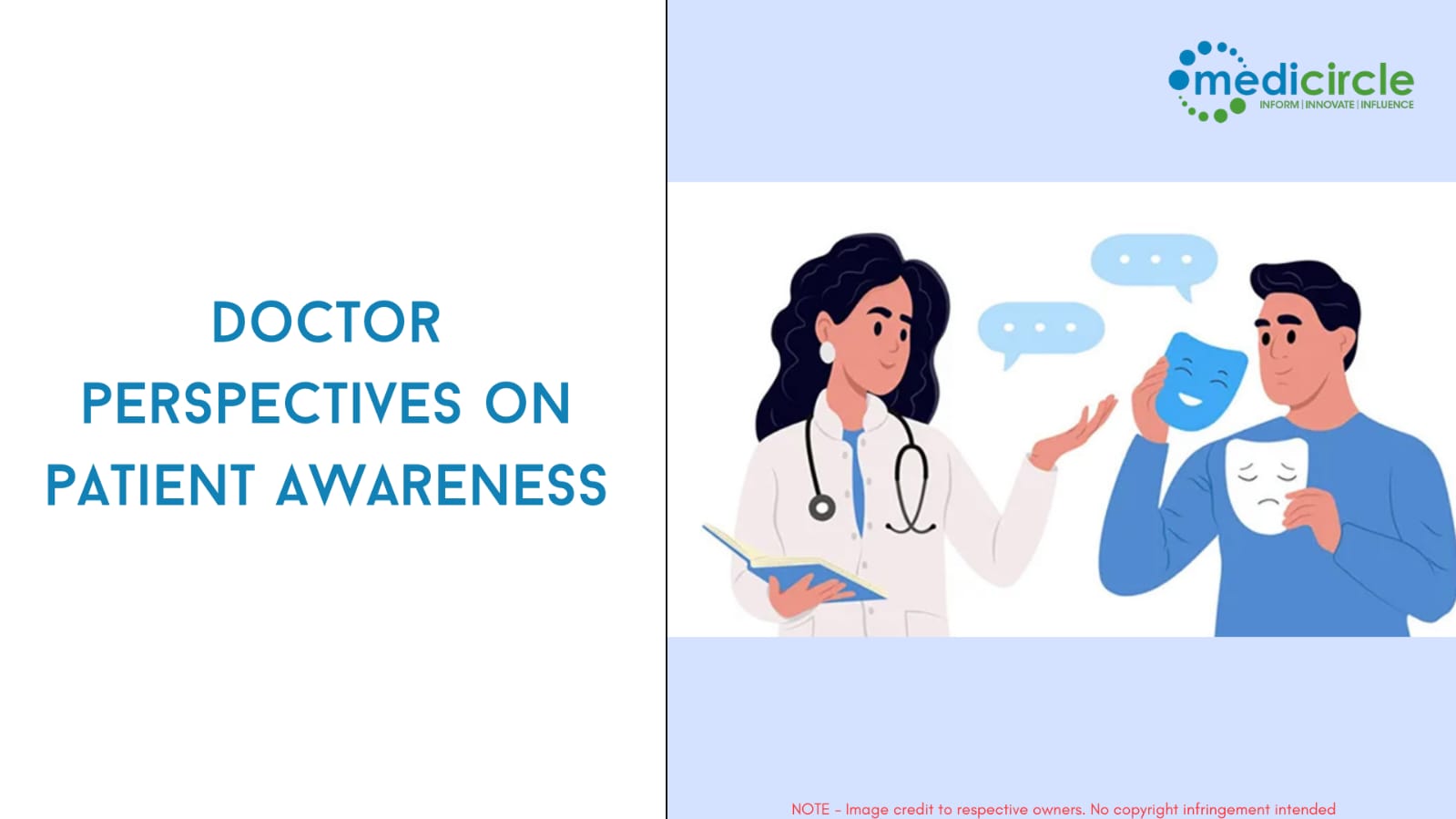
 Aware patients act as vital partners in healthcare, fostering collaborative environments that improve diagnostic accuracy, treatment adherence, and preventive care. This mutual understanding creates a more efficient, resilient medical system.




In the traditional Indian healthcare landscape, the doctor and patient relationship was often a one-way street. Patients listened while doctors prescribed. However, the world is changing rapidly. With health information just a click away, the dynamic in the consultation room is shifting from a lecture to a partnership. Doctors across India are realizing that when a patient is truly aware, the path to recovery becomes smoother, faster, and much more effective.
Active Patient Participation:
The old model of healthcare, where the doctor makes every decision in a vacuum, is fading. Today medical professionals are looking for collaborators rather than just followers. From a physician point of view, an aware patient is someone who understands the reason behind their treatment.
When you walk into a clinic with a basic grasp of the signals from your body, you save time that would otherwise be spent on introductory explanations. This allows your doctor to focus on the complexities of your specific case. Instead of a standard protocol, you get a tailored strategy. This shift from passive listening to active participation is the foundation of modern, high-quality medical care.
Achieving Sharper Diagnoses:
A diagnosis from a doctor is only as accurate as the history provided by the patient. This is where awareness becomes a critical diagnostic tool. An informed patient knows how to track symptoms, remember the timing of specific aches, and provide a clear picture of their family medical history.
By providing high quality data about your health, you help your doctor connect the dots faster. This precision reduces the need for unnecessary tests and minimizes the risk of misdiagnosis. When you understand why a certain test is being ordered, the anxiety of the unknown disappears and is replaced by a sense of confidence in the process.
Navigating Digital Information:
We live in an era of information overload. While having access to the internet is great, it often leads patients down a rabbit hole of unverified myths and worst case scenarios. Doctors do not want you to stop reading; they want you to read the right things.
True awareness means knowing the difference between a sensationalized headline and expert medical facts. Physicians deeply appreciate patients who ask questions based on credible research. By using trusted platforms that simplify complex medical jargon without losing scientific accuracy, you arrive at the clinic with realistic expectations rather than unfounded fears. This helps your doctor spend less time correcting misinformation and more time treating you.
Importance of Treatment Adherence:
One of the biggest hurdles in Indian healthcare is non-adherence, which is essentially stopping treatment too early. Many of us have been guilty of stopping our antibiotics or skipping blood pressure pills the moment we feel back to normal.
An aware patient understands that the absence of symptoms does not always mean the absence of disease. Whether managing a chronic condition like diabetes or a short term infection, understanding the science of the medication ensures you stick to the plan. This awareness is often the difference between a full recovery and a sudden relapse or long term complication.
Priorities in Preventive Health:
Every doctor would prefer to keep you healthy rather than treat you when you are sick. The medical community is increasingly focused on preventive health, and this is where patient awareness is most transformative.
In a country where lifestyle diseases like heart disease and hypertension are rising, being proactive is essential. Aware patients do not wait for pain to seek help because they understand the value of routine screenings and early warning signs. By staying informed through reliable health media, you can catch potential issues while they are still easily manageable.
Era of Mutual Respect:
The future of healthcare in India is not just about better technology or newer hospitals; it is about better communication. When you take the time to understand your health, you are not just helping yourself. You are helping your doctor provide the best possible care.
This mutual understanding turns a standard medical appointment into a powerful, shared journey toward wellness. An informed patient is truly the best ally of a doctor, paving the way for a healthier and more resilient society for everyone.






.jpeg)








.jpg)
.jpg)
.jpg)
.jpg)
.jpg)
.jpg)


.jpg)
.jpg)
.jpg)