Sunday, October 25, 2026
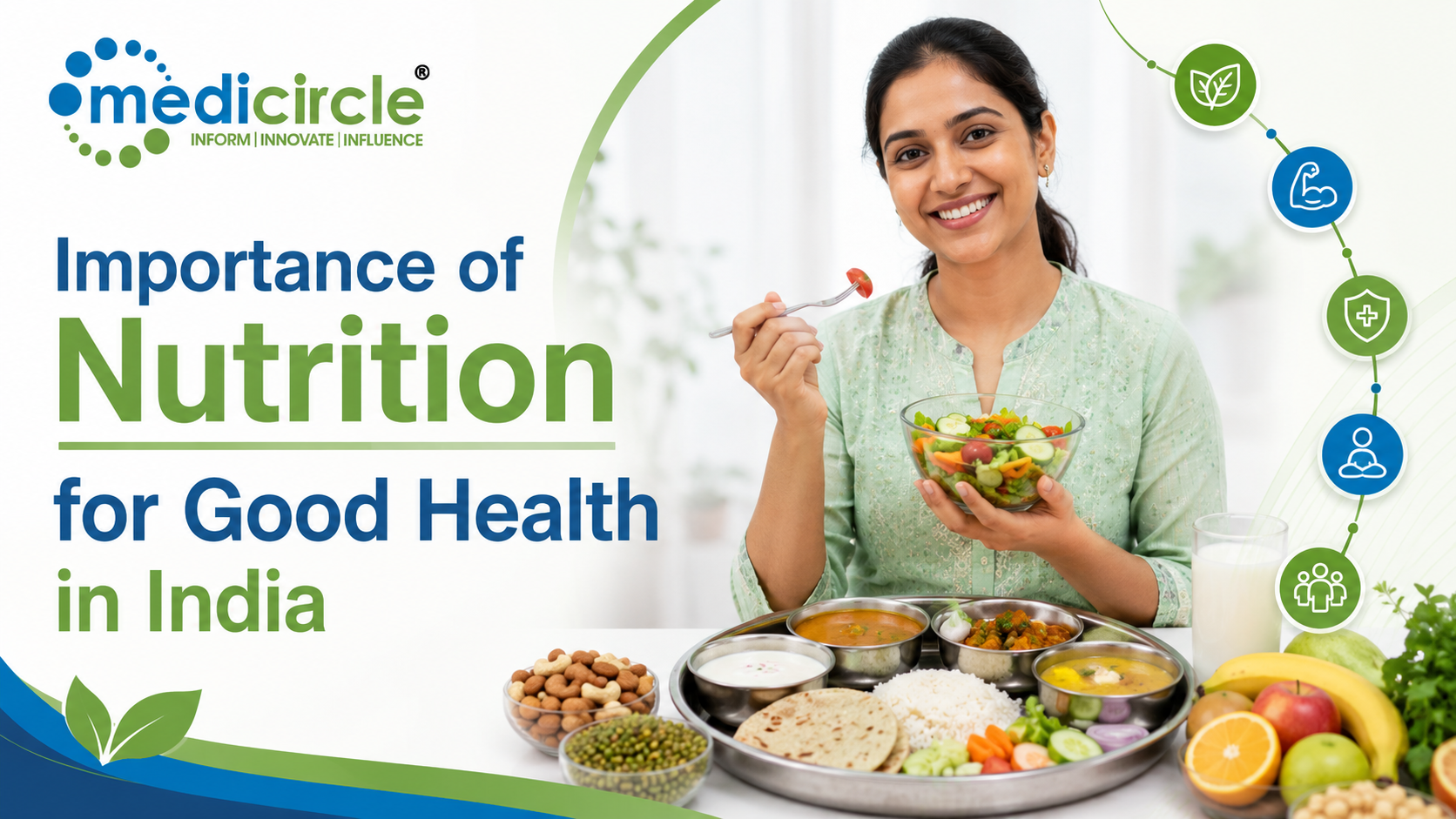
 Nutrition is essential for energy, immunity, and disease prevention. This article explores macronutrients, micronutrients, India-specific deficiencies, lifecycle nutritional needs, and practical steps toward healthier dietary habits.





Introduction
Every meal a person eats is either building health or slowly undermining it. This is not a dramatic statement. It is a well-established scientific reality that the quality, quantity, and consistency of daily food intake directly determines how the human body functions across every stage of life.
In India, this truth carries enormous weight. The country simultaneously carries one of the world's largest burdens of undernutrition and a rapidly growing epidemic of lifestyle-related diseases such as type 2 diabetes, cardiovascular disease, and obesity. According to the National Family Health Survey (NFHS-5), approximately 35.5 percent of children under five in India are stunted due to chronic undernutrition, while 24 percent of adults are now classified as overweight or obese. These two realities existing side by side reflect what health experts call the "double burden of malnutrition," and it is one of the most pressing public health challenges facing the country today.
Understanding the importance of nutrition is no longer a matter of personal choice alone. It is a matter of national health, economic productivity, and the long-term well-being of every Indian household.
Understanding What Nutrition Actually Means
Nutrition is often misunderstood as simply eating healthy food or following a diet plan. In reality, nutrition is the entire science of how the body takes in, absorbs, and uses food to sustain life, support growth, repair cells, fight disease, and maintain mental and physical function.
The body requires a wide range of nutrients, each with a specific and often irreplaceable role. These nutrients fall into two broad categories: macronutrients and micronutrients.
Macronutrients are the nutrients the body needs in relatively large amounts. They include:
- Carbohydrates, which serve as the primary source of energy for the brain and muscles
- Proteins, which are essential for building, repairing, and maintaining tissues and organs
- Fats, which support hormone production, brain health, joint lubrication, and the absorption of fat-soluble vitamins
Micronutrients are vitamins and minerals required in much smaller quantities, but their absence can cause serious health consequences. These include iron, calcium, iodine, zinc, Vitamin A, Vitamin D, Vitamin B12, and folate, among others.
Water is also a fundamental nutritional component. It accounts for more than 60 percent of the adult human body and is involved in virtually every physiological process, from digestion to temperature regulation to waste elimination.
A truly nutritious diet is one that provides adequate amounts of all these elements in the right balance for a person's age, gender, activity level, and health status.
Why Nutrition Is the Foundation of Long-Term Health
The connection between diet and health is not simply about weight management. Nutrition operates at a cellular level. Every heartbeat, every breath, every immune response, every thought relies on the nutrients the body receives through food.
When nutrition is adequate and balanced, the body demonstrates remarkable resilience. Immunity stays strong. Energy levels remain consistent. Organ systems function efficiently. Wounds heal faster. Mental clarity improves. Chronic disease risk decreases substantially.
When nutrition is poor, whether due to deficiency or excess, the consequences are far-reaching. Prolonged nutritional deficiency weakens immunity and makes the body susceptible to infections. It impairs cognitive development in children. It slows recovery from illness. Over time, diets high in refined carbohydrates, saturated fats, and sodium are strongly linked to hypertension, type 2 diabetes, heart disease, and certain cancers.
The Indian Council of Medical Research (ICMR) has repeatedly emphasized in its dietary guidelines that non-communicable diseases such as diabetes and cardiovascular disease, which are now responsible for more than 60 percent of deaths in India, are significantly influenced by dietary patterns. This means that a meaningful portion of India's most serious health burden is, to a large extent, modifiable through better nutrition.
The Indian Nutritional Reality: Deficiencies, Disparities, and Dietary Shifts
India's nutritional landscape is shaped by deep regional diversity, economic inequality, cultural food practices, and rapid urbanisation. Understanding this context is critical.
Iron deficiency anaemia remains one of the most widespread nutritional problems in the country. NFHS-5 data shows that 57 percent of children between six months and five years of age are anaemic, as are 57 percent of women between 15 and 49 years. Anaemia reduces oxygen delivery to tissues, causes chronic fatigue, impairs cognitive performance in children, and significantly increases maternal health risks during pregnancy.
Vitamin D deficiency affects a large proportion of the Indian population, including surprisingly high rates among those living in sun-rich states. This is partly due to dietary gaps, as few Indian staple foods are naturally rich in Vitamin D, and partly due to indoor lifestyles, particularly in urban areas. Vitamin D is critical for calcium absorption, bone health, immune regulation, and mood stability.
Vitamin B12 deficiency is particularly common among vegetarians and vegans, as B12 is found almost exclusively in animal-derived foods. Prolonged B12 deficiency leads to neurological damage, anaemia, fatigue, and irreversible nerve complications if left unaddressed.
At the same time, India is witnessing a dramatic shift in dietary patterns driven by urbanisation and the proliferation of ultra-processed foods. Many urban Indians, especially younger populations, are consuming increasing amounts of packaged snacks, refined sugars, and fast food while reducing intake of traditional whole foods like millets, legumes, and seasonal vegetables. This nutritional transition is directly linked to rising rates of obesity, insulin resistance, and metabolic syndrome.
Nutrition Across Different Life Stages
The importance of nutrition is not uniform throughout life. Different stages of life carry different nutritional priorities, and understanding them allows individuals and families to make more targeted and effective dietary decisions.
During pregnancy and the first 1,000 days of a child's life, nutrition is arguably the most critical it will ever be. Folate intake before and during early pregnancy dramatically reduces the risk of neural tube defects. Iron and iodine are essential for foetal brain development. Calcium supports skeletal formation. The ICMR and the Ministry of Health and Family Welfare have made maternal and child nutrition a cornerstone of programmes such as POSHAN Abhiyaan, which aims to reduce stunting, wasting, and low birth weight across India.
In childhood and adolescence, nutrition directly shapes physical growth, cognitive development, academic performance, and immune function. Studies have consistently shown that children who receive adequate nutrition, particularly adequate protein, iron, and micronutrients, outperform their undernourished peers academically and demonstrate better attention, memory, and emotional regulation.
In adulthood, nutrition plays a protective role. A diet rich in dietary fibre, antioxidants, and anti-inflammatory nutrients reduces the risk of developing chronic diseases. Adequate calcium and Vitamin D prevent the early onset of osteoporosis, which is increasingly common among Indian women post-menopause.
In older age, nutritional needs shift again. Protein requirements remain high or even increase to prevent sarcopenia, which is the age-related loss of muscle mass. Vitamin B12, calcium, and Vitamin D become especially important for cognitive health and bone integrity.
The Role of Balanced Diets and Key Dietary Principles
There is no single superfood or supplement that can replace a genuinely balanced diet. The ICMR dietary guidelines recommend that Indians construct their daily meals around a combination of cereals and millets, pulses and legumes, vegetables and fruits, dairy, and small amounts of healthy fats. This approach ensures broad coverage of both macronutrients and micronutrients.
Some key principles that hold true across most evidence-based nutritional frameworks include:
- Diversity is essential. Eating a wide variety of foods reduces the risk of any single nutritional gap.
- Whole foods are preferable over processed ones. Traditional Indian staples such as dal, sabzi, roti, curd, and rice in appropriate proportions remain among the most nutritionally complete meal patterns available.
- Sugar, salt, and refined fats should be minimised. The World Health Organization recommends limiting free sugar intake to less than 10 percent of total energy intake and keeping sodium below 5 grams per day.
- Hydration must not be overlooked. Many Indians do not consume adequate water, which impairs digestion, kidney function, and nutrient transport.
Practical Steps Toward Better Nutrition in Everyday Indian Life
Moving from awareness to action is where meaningful nutritional change happens. Several practical and accessible steps can help individuals across different income levels and geographies improve their nutritional intake.
Incorporating traditional millets such as bajra, ragi, jowar, and sorghum into daily meals is one of the most effective steps. These grains are rich in dietary fibre, iron, calcium, and B-vitamins, and are far more nutritious than polished white rice or refined wheat flour. The Government of India has promoted 2023 as the International Year of Millets, recognising their role in both nutritional security and sustainable agriculture.
Prioritising locally grown seasonal vegetables and fruits ensures higher nutrient density at lower cost. Processed and packaged foods, even those marketed as healthy, often contain excess sodium, hidden sugars, and artificial additives that undermine nutritional goals.
For those with specific deficiencies or health conditions, working with a qualified dietitian or clinical nutritionist is strongly advisable. Self-supplementation without proper assessment can lead to toxicity in fat-soluble vitamins or mask underlying health conditions.
Platforms like Medicircle offer access to verified expert opinions, health awareness articles, and connections to nutrition professionals who can guide individuals and families toward evidence-based dietary decisions.
Conclusion
Nutrition is not a lifestyle trend. It is one of the most fundamental determinants of human health, longevity, and quality of life. For India, a country navigating the complex intersection of traditional food culture, rapid modernisation, and a rising chronic disease burden, getting nutrition right is both an individual and a collective responsibility.
The food on every plate shapes cognitive function, immune strength, physical energy, emotional stability, and long-term disease risk. Whether the goal is preventing illness, recovering from a health condition, supporting a child's development, or simply living with more vitality, the foundation almost always begins with what is eaten, how often, and in what combination.
Better nutritional awareness, guided by credible medical information and expert dietary advice, is one of the most powerful investments any individual, family, or healthcare professional can make in the future of Indian health.
Frequently Asked Questions
Q1: Why is nutrition important for the human body?
Nutrition provides the body with essential macronutrients and micronutrients needed for energy, cell repair, immunity, growth, and disease prevention. Without adequate nutrition, the body becomes vulnerable to infections, chronic diseases, and developmental problems.
Q2: What are the most common nutritional deficiencies in India?
India has high rates of iron deficiency anaemia, Vitamin D deficiency, Vitamin B12 deficiency, iodine deficiency, and calcium insufficiency, particularly among women, children, and the elderly.
Q3: How does poor nutrition affect children in India?
Poor nutrition in children leads to stunting, wasting, weakened immunity, poor cognitive development, and reduced school performance. India continues to face a significant burden of child undernutrition despite government intervention programmes.
Q4: What is the difference between macronutrients and micronutrients?
Macronutrients include carbohydrates, proteins, and fats, which the body needs in larger quantities for energy and structural functions. Micronutrients are vitamins and minerals required in smaller amounts but are equally critical for metabolic processes and disease prevention.
Q5: How can Indians improve their daily nutrition?
Indians can improve nutrition by including a variety of pulses, vegetables, whole grains, dairy, and seasonal fruits in their diet. Reducing ultra-processed foods, excess salt, and refined sugar while following ICMR dietary guidelines can significantly improve nutritional outcomes.
Resources
- Indian Council of Medical Research (ICMR): Dietary Guidelines for Indians and nutrient requirement publications
- World Health Organization (WHO) India: Nutrition and malnutrition reports and public health policy resources
- Ministry of Health and Family Welfare, Government of India: POSHAN Abhiyaan programme data and maternal and child health nutrition frameworks
- National Family Health Survey (NFHS-5): National and state-level data on anaemia, stunting, wasting, and nutritional indicators across India
- Food Safety and Standards Authority of India (FSSAI): Eat Right India campaign guidelines and food labelling and quality standards
Interlinking Keywords
balanced diet for Indians, iron deficiency anaemia in India, ICMR dietary guidelines, importance of vitamins and minerals, nutritional deficiency symptoms, child nutrition India, POSHAN Abhiyaan, healthy eating habits, macronutrients and micronutrients, Vitamin D deficiency India
Last medically reviewed by:
Medicircle Medical Editorial Board on August 19, 2026
Medical Disclaimer:
The information provided in this article is intended for general awareness and educational purposes only. It does not constitute medical advice, diagnosis, or treatment. Readers are strongly advised to consult a qualified and registered medical professional or certified dietitian before making any changes to their diet, starting nutritional supplements, or managing any health condition. Medicircle does not endorse any specific product, supplement, or treatment protocol.





-23-300x250.png)

.jpeg)


.jpg)
.jpg)
.jpg)
.jpg)
.jpg)
.jpg)
.jpg)
.jpg)
.jpg)