 Tuesday, October 27, 2026
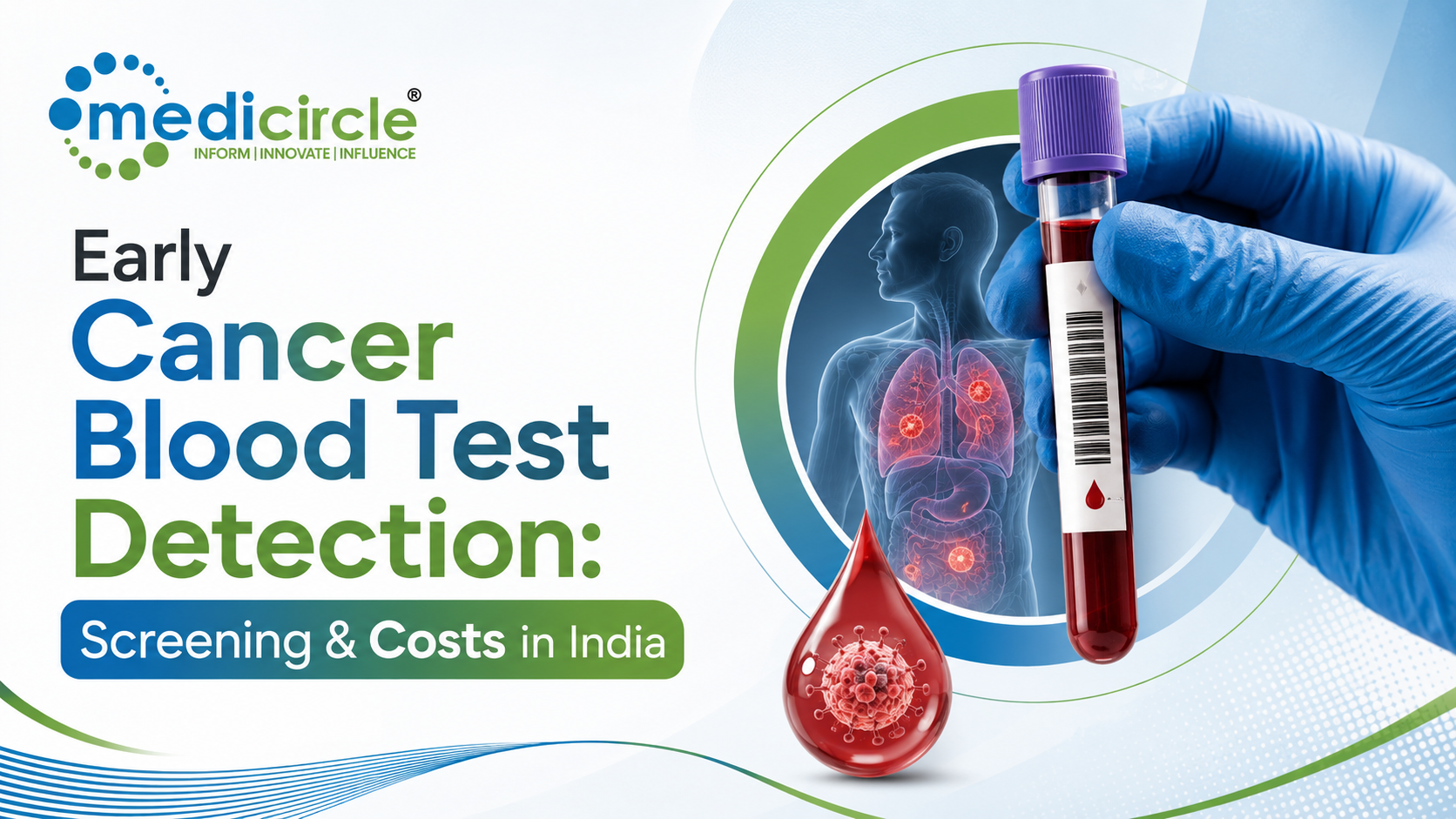
 Advanced blood tests offer non-invasive cancer screening by identifying tumor markers and genetic material, though they must complement traditional biopsies and imaging to ensure accurate diagnostic results for patients.




Early Cancer Blood Test Detection
Identifying dangerous health conditions before they spread across the body remains a primary objective within modern healthcare. For a long time, individuals throughout India have trusted standard diagnostic pathways. These traditional methods generally involve waiting for distinct physical signs to develop before a doctor orders an MRI scan, a CT scan, or a tissue biopsy. Although these conventional diagnostic strategies remain absolutely vital, they can only identify a physical mass after it has already formed.
Recently, medical research has turned toward an encouraging alternative. This approach focuses on finding early cellular indicators through a basic blood draw. The concept of utilizing a simple vial of blood to complement surgical diagnostic steps has created substantial hope for families across India. However, exploring this new path requires a clear understanding of what these tests can achieve, where their limits lie, and how medical professionals utilize them.
Cancer Blood Test Signals
Tumors are highly active networks of rapidly dividing cells. As these malignant cells multiply and eventually break down, they release tiny molecular debris directly into the human circulatory system. This cellular waste consists of specific proteins, intact wandering cells, or broken pieces of mutated genetic material.
Modern laboratory technology has become highly precise. Technicians can now successfully isolate these microscopic components from a standard blood sample. When an individual appears completely healthy, finding these tiny traces can provide an essential early warning. The presence of these markers prompts healthcare providers to investigate further well before a tumor becomes visible on a standard X-ray or causes physical pain. Catching a localized disease early expands the available medical treatments and significantly increases the probability of a successful recovery.
Liquid Biopsy Cancer Screening
The technological milestone leading this diagnostic shift is the liquid biopsy. Traditional tissue biopsies require a medical specialist to remove a physical sample from a tumor using a sharp needle or a scalpel. Conversely, a liquid biopsy identifies the microscopic footprints of a tumor through a routine blood draw from the arm of a patient.
Circulating Tumor DNAWhen a cancerous cell breaks down, its microscopic genetic patterns slip into the bloodstream. Advanced sequencing instruments can scan human plasma to discover this circulating tumor DNA (ctDNA). By isolating these broken genetic links, doctors can analyze specific mutations to confirm the presence of a malignancy and reveal its unique cellular makeup.
Circulating Tumor CellsOccasionally, entire living malignant cells separate from the primary tumor and wander through the vascular network. Tracking these circulating tumor cells (CTCs) provides direct evidence of an active disease. This specific process helps oncologists measure how likely a cancer is to spread to separate areas of the body.
Tumor Marker Test Options
To understand the direction of modern oncology, it is helpful to differentiate older laboratory options from new genetic platforms. Historically, diagnostic facilities in India have utilized traditional tumor marker blood tests. These markers are specific proteins that both healthy tissues and cancerous cells create when the body faces stress from a disease.
|
Test Name |
Primary Associated Malignancy |
Clinical Use Case |
|---|---|---|
|
PSA test (Prostate-Specific Antigen) |
Prostate Cancer |
Routine tracking and screening |
|
CA 125 test (Cancer Antigen 125) |
Ovarian Cancer |
Evaluating therapy response |
|
CEA test (Carcinoembryonic Antigen) |
Colorectal Cancer |
Monitoring for disease return |
|
AFP tumor marker test (Alpha-Fetoprotein) |
Liver and Germ Cell Tumors |
Assisting in diagnosis |
While these classic protein tests are valuable for checking if a therapy works, they are not perfect for standalone early screening. Simple tissue inflammation, benign cysts, or common infections can cause these protein levels to rise, which often causes unnecessary worry. Newer genomic evaluations bypass general protein measurements entirely. Instead, they search exclusively for the exact mutated DNA sequences of cancer cells, which provides a highly specific reading. Furthermore, advanced diagnostic platforms like the Galleri cancer test are now emerging to screen for multiple cancer signals simultaneously from a single sample.
Biopsy Testing Stays Essential
A frequent source of confusion for patients is assuming that a positive blood test means they can avoid a traditional tissue biopsy. As technology stands today, blood tests serve as excellent auxiliary screening tools, but they cannot replace standard diagnostic procedures.
If a liquid biopsy indicates a potential health issue, a physical tissue biopsy and detailed imaging remain necessary to secure a definitive medical diagnosis. Pathologists must evaluate physical cell structures under a microscope to establish the exact grade of the tumor cells. Furthermore, a surgical oncologist cannot coordinate targeted therapy without standard radiological scans that show precisely where the mass resides.
Limitations of Blood Screening
Despite the rapid growth of this medical science, multiple practical challenges remain for patients reviewing their healthcare choices in India.
The most prominent medical obstacle involves the concepts of false positives and false negatives. A false positive occurs when a test indicates a problem where no cancer exists, which causes severe emotional distress and leads to unnecessary diagnostic operations. Conversely, a false negative happens when a small tumor sheds very little genetic material into the circulatory system. In this situation, laboratory instruments miss the signal entirely, which creates an incorrect assumption of good health.
Financial access is another significant factor. Because advanced choices like the ctDNA test price or multi-cancer panels require highly sophisticated genetic equipment, they remain very costly. For now, these advanced options are mostly restricted to premium diagnostic centers within major metropolitan Indian cities.
Doctor Consultation Guidelines
If an individual wants to explore advanced blood screening, the primary step must involve an open conversation with an oncologist. Ordering premium diagnostic packages through commercial health applications can cause confusion if a specialist does not interpret the raw data within the unique health context of the patient.
Consider addressing these specific questions during your next medical appointment:
- Given the medical history of my family, would a genomic blood test provide helpful information?
- If this screening test provides a positive signal, what are our immediate diagnostic steps?
- How does this blood test integrate with regular screenings like standard mammograms or physical exams?
An oncologist can systematically assess known variables, such as a family history of colorectal or breast malignancies, to determine if an advanced genetic test provides a real advantage. This step ensures you make a structured decision rather than a reactive choice.
ConclusionAdvanced blood testing is changing the landscape of oncology by shifting medical focus toward early detection. Although these screenings offer an exceptional view into the cellular environment of the human body, they are designed to work alongside imaging and tissue biopsies, not to replace them entirely.
As medical infrastructure improves across India, these modern diagnostic tools will become more affordable and widely accessible. Until then, the most dependable strategy for long-term health involves a combination of balanced habits, personal physical awareness, and consistent discussions with healthcare professionals.
FAQs
Can a basic complete blood count discover cancer?
A standard complete blood count measures your red cells, white cells, and platelets. It cannot directly identify solid tumors. However, highly unusual cell counts can sometimes indicate blood-related conditions like leukemia, which prompts your doctor to order specialized testing.
How reliable are liquid biopsies for very small tumors?
The accuracy of a liquid biopsy varies depending on how a tumor behaves. Because small, early-stage masses do not shed abundant genetic material into the bloodstream, a test can struggle to detect the signal, making its sensitivity lower for early screening than for advanced tracking.
Are genetic blood tests widely available across India?
Yes, premium laboratories and specialized cancer centers in major Indian cities offer liquid biopsies. However, because they require highly sophisticated sequencing technology, they carry a significantly higher cost than routine metabolic panels or basic health checkups.
Abstract:
Advanced blood tests offer non-invasive cancer screening by identifying tumor markers and genetic material, though they must complement traditional biopsies and imaging to ensure accurate diagnostic results for patients.





-23-300x250.png)

.jpeg)





.jpg)
.jpg)
.jpg)
.jpg)
.jpg)
.jpg)
.jpg)
.jpg)
.jpg)



