 Wednesday, October 28, 2026
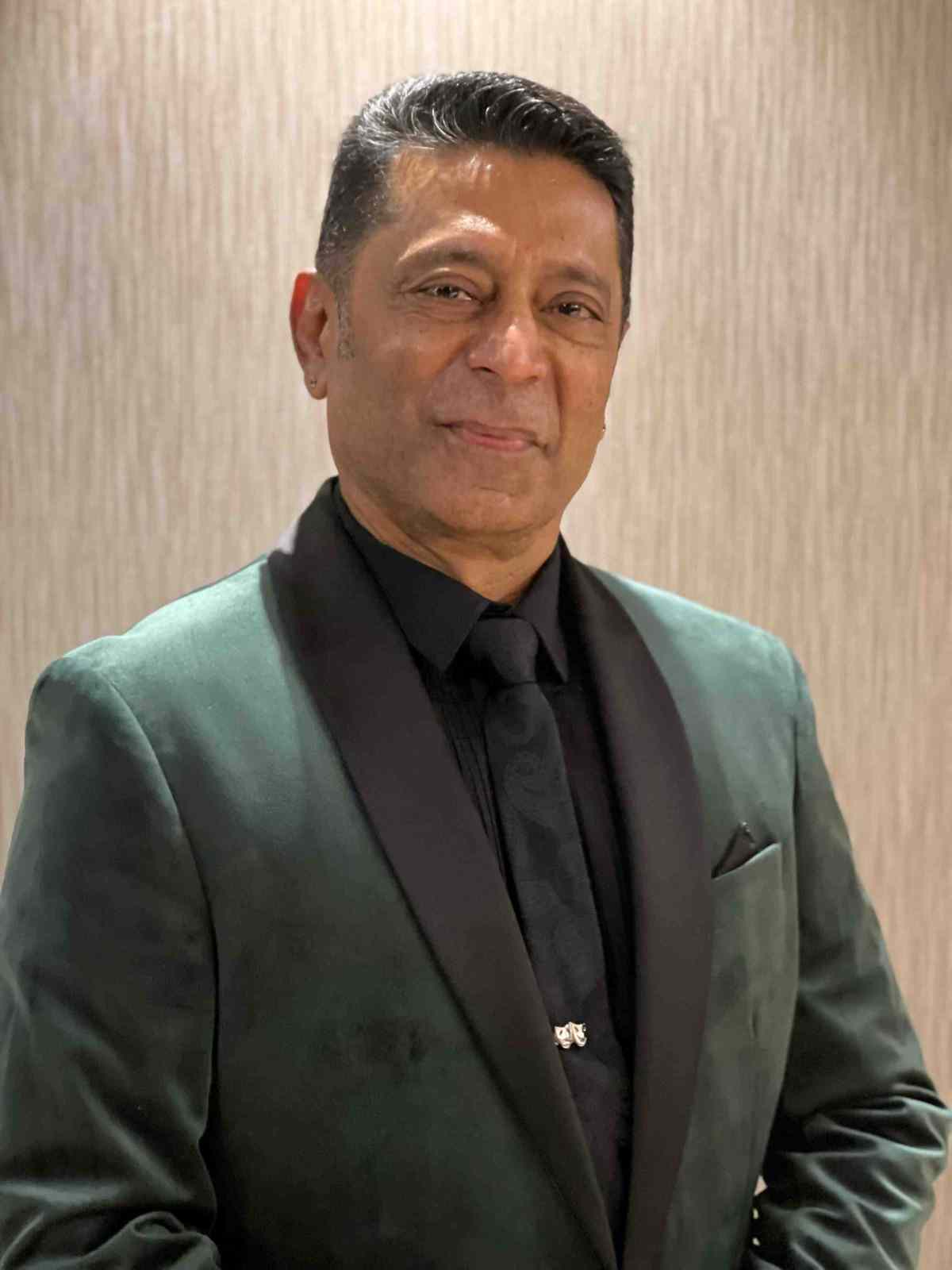
 Dr. Na’eem Sadiq, award-winning neurologist with 35+ years’ experience, leads Plexus Neuro Centre, advancing autism, neuro-rehabilitation, and stem cell research with global training and over 100 recognitions.




In an exclusive conversation with MediCircle, the leading neurologist, Dr Na’eem Sadiq, Medical Director, Plexus Neuro Center, shares the progress made on the clinical understanding of Autism Spectrum Disorder (ASD) , barriers and social challenges and rising role of technologies for the community
Dr. Na’eem Sadiq, Founder and Medical Director of Plexus Neuro & Stem Cell Research Centre, is an award-winning neurologist with over 35 years of experience. He has received over 100 national and international awards for his work in neuro-rehabilitation and stem cell therapy. Dr Sadiq studied neurology and neurophysiology in London and worked with some of the eminent medical institutions in the Middle East before setting up Plexus in India.
How has our clinical understanding of Autism Spectrum Disorder evolved over the past decade, and what do recent research findings suggest about the diversity of ASD presentations in different populations?
Over the last decade, the clinical understanding of Autism Spectrum Disorder (ASD) has progressed from research to recognition as a widespread neurodevelopmental disease. This disorder, is influenced by a variety of factors, including genetic variants, advanced parental age, and even environmental factors such as air pollution or maternal health difficulties. These indications can be identified via brain imaging and longitudinal investigations that reveal early signals in infancy and different trajectories across the lifetime. Recent research, however, shows that presentations vary greatly depending on symptom intensity, ethnicity, and socioeconomic status, such as social problems in high-functioning patients or cultural masking in Indian cultures.
What are the barriers to early identification and your recommendations to the healthcare community on bridging these barriers?
The primary challenges to spotting early indicators or "red flags" are a lack of understanding among parents and family members, social stigma, dismissing of early concerns, and a severe shortage of skilled physicians and therapists, particularly in rural areas. Routine ASD screening is suggested in primary care at ages 18-24 months; community awareness efforts, parent and teacher education, awareness amongst teachers about red flags in students and tele-mentoring can assist close the gap.
AI and advanced diagnostic tools are advancing rapidly. How do you see technologies — including machine learning diagnosis support systems — enhancing ASD assessment and personalized intervention plans?
AI and machine learning methods, such as video-based apps that analyze social behaviors and parent-child interactions, offer faster and more scalable screening, particularly in heterogeneous Indian demographics. They also provide more individualized interventions by assessing visual attention from eye-tracking data, allowing for specialized therapy such as parent-mediated social communication programs. ASD assessment can be performed based via one on one human interaction with a skilled therapist. AI cannot replace this, only compliment this.
How can healthcare ecosystems adapt to better serve diverse Indian communities and demographics?
Healthcare ecosystems must improve themselves correspondingly by using culturally appropriate methods such as Hindi-validated M-CHAT, utilizing ASHA workers for doorstep screening, and increase language diversity.
What is the role of parents and caregivers in ASD care and as a follow-up to this, what interventions and community support models are available for the parents in India right now?
In India, ASD interventions for children and families prioritize early, family-centered care, incorporating therapies such as Occupational therapy and speech therapy as well as community support groups and online resources. The Aakaar Early Intervention Program, Tata Power's Pay Authentication App, and comprehensive facilities such as the India Autism Center (IAC), which emphasize on parent empowerment, are also important models. Amar Seva Sangam's "Enabling Inclusion" (EI) software allows parents to create goals, track therapy, and access resources.
Can you outline the critical gaps around ASD and, looking forward, how the healthcare ecosystem shifts to meet these gaps?
Social stigma is the biggest challenge. There are still major gaps in diagnostic availability (10-20% are diagnosed early in India), intervention scalability, and longitudinal data on adult results. To achieve 50% early detection by 2030, the ecosystem needs to quickly convert to tech-enabled universal screening, policy-mandated training (for example, through Ayushman Bharat), multidisciplinary hubs, and stigma reduction.





-23-300x250.png)

.jpeg)






.jpg)
.jpg)
.jpg)
.jpg)
.jpg)
.jpg)
.jpg)
.jpg)
.jpg)

