Tuesday, October 27, 2026
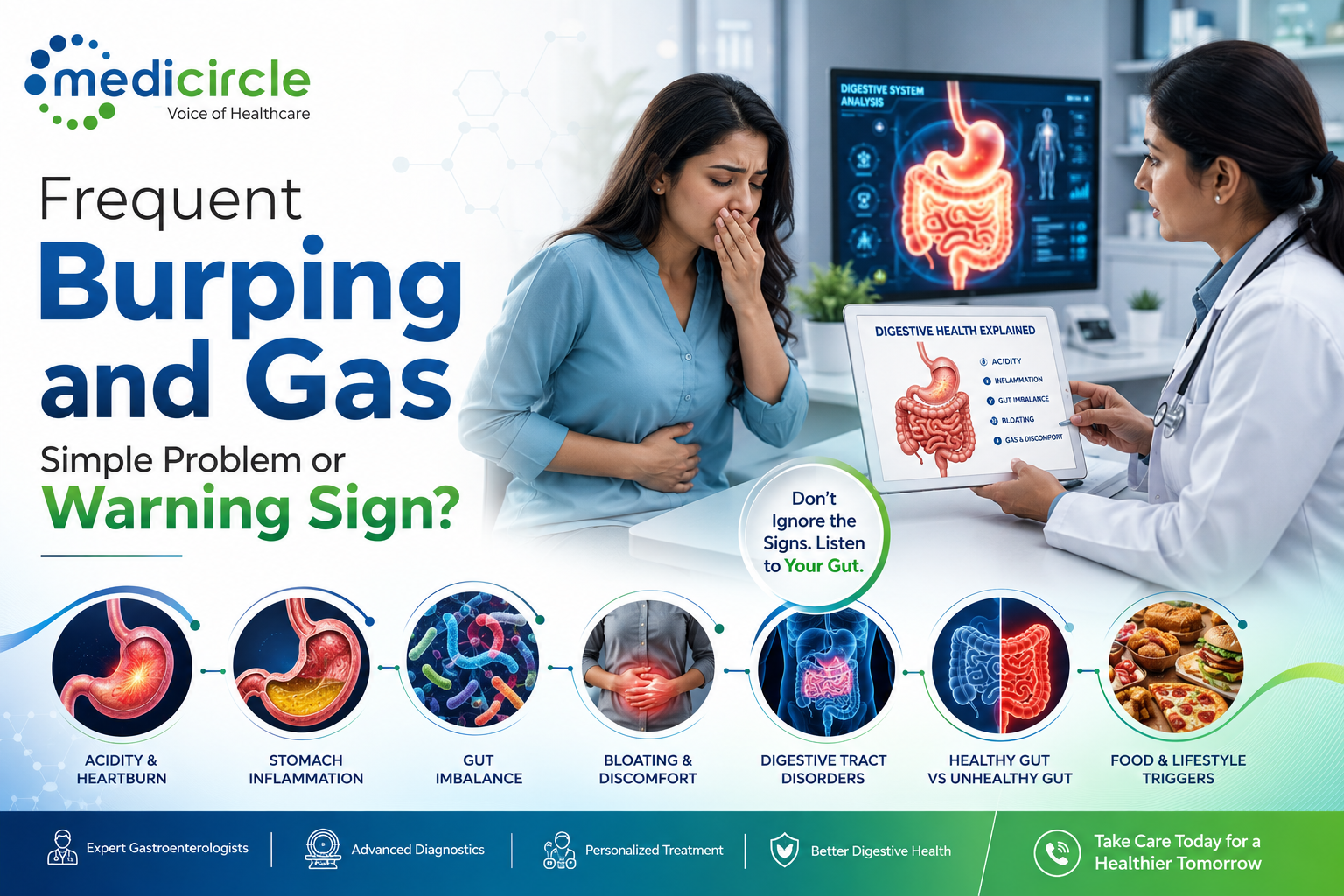
 Frequent gas and burping are usually minor disruptions that you can improve by adjusting your eating habits. Chronic symptoms can be subtle messages from your digestive system that require closer attention.




In many Indian households, a loud burp after a heavy meal or an episode of abdominal bloating is treated with casual humor. People often shrug off this digestive discomfort as a natural result of enjoying rich, oily, or spicy food. From reaching for a spoonful of ajwain to brewing a warm cup of saunf water, traditional home remedies for gas are highly common. For most individuals, taking an occasional over the counter antacid pill or a sachet of gas relief powder is sufficient to quiet down an unhappy stomach.
However, there is a clear distinction between an occasional upset stomach and a daily struggle with chronic gastric problems. When excessive flatulence, continuous belching, and painful stomach bloating become a constant part of your routine, they stop being simple everyday nuisances. Instead, these persistent issues can be subtle warning signs from your digestive system that require closer clinical attention. Recognizing when to move past temporary home care and seek professional medical advice from a gastroenterologist is key to keeping your gut healthy over the long term.
Understanding Intestinal Gas Production
To understand whether your stomach bloating reasons are minor or indicate something more significant, it helps to look at how the human body creates gas. Belching is the natural way the body vents trapped air out of the upper digestive tract. When you swallow air while eating or drinking, it accumulates in your stomach, creating a buildup of pressure that the body eventually releases upward through the mouth.
Flatulence, by contrast, develops much lower down inside your gastrointestinal tract. This biological process begins when food that has not been completely broken down moves into the large intestine or colon. There, the natural resident gut bacteria ferment these food remnants, creating gases like carbon dioxide, hydrogen, and methane. While both of these processes are entirely normal parts of human digestion, a sudden or steady increase in how often they happen usually means your gut environment is experiencing imbalances or extra strain.
Temporary Digestive Discomfort Triggers
Very often, dealing with frequent gas after eating does not mean you have a serious medical problem. Simple daily habits, specific food choices, and your general eating style can frequently trigger these uncomfortable symptoms.
Swallowing Excess AirA very common reason for constant belching is swallowing too much air throughout the day, a habit known medically as aerophagia. This often happens if you rush through your meals, drink beverages too quickly, use a drinking straw, or talk while chewing food. Habits like chewing gum or smoking also cause you to swallow air repeatedly, which fills the stomach and leads to frequent burping.
Indian Diet FactorsMany staples of a traditional Indian diet are naturally prone to generating excess gas in the stomach. Essential daily ingredients like lentils and legumes, including rajma, chole, and urad dal, are packed with complex sugars called oligosaccharides. Because the human body lacks the digestive enzymes to break these sugars down completely, they pass into the colon, where bacteria ferment them and produce gas. Vegetables from the cruciferous family, such as cauliflower, cabbage, and broccoli, along with carbonated drinks and processed snacks, can similarly lead to intense abdominal bloating.
Underlying Chronic Medical Conditions
If making changes to your diet and lifestyle does not provide stomach bloating treatment, your symptoms might be a sign of an underlying gastrointestinal issue. It is important to look closer if your severe gas trouble continues for weeks or months without improvement.
Acid Reflux SymptomsGastroesophageal Reflux Disease is a chronic condition where stomach acid frequently travels upward into the food pipe or esophagus. People dealing with acid reflux or acidity symptoms often swallow repeatedly to soothe the irritation in their throat, which inadvertently fills the stomach with air and triggers frequent burping. If your belching comes with heartburn, a sour taste in the mouth, a persistent cough, or trouble swallowing, acid reflux could be the underlying cause.
Irritable Bowel SyndromeIrritable Bowel Syndrome is a widespread functional digestive disorder that alters how the large intestine operates. People with this condition frequently experience a combination of stomach cramps, intense abdominal bloating, excessive gas, and changes in bowel habits, such as moving between chronic diarrhea and constipation. For these individuals, the gut lining is highly sensitive, meaning even normal amounts of digestive gas can cause significant discomfort and abdominal pain.
Small Intestinal OvergrowthIn a properly functioning digestive system, the vast majority of your gut bacteria live in the large intestine. Small Intestinal Bacterial Overgrowth occurs when these bacteria multiply abnormally inside the small intestine instead. When this happens, the bacteria ferment food much too early in the digestive cycle, causing severe gas production, non-stop burping, nausea, nutrient malabsorption, and loose stools.
Food IntolerancesFrequent flatulence and painful bloating can also be traced back to food intolerances. Lactose intolerance, where the body cannot easily digest the natural sugars found in milk and dairy products like paneer, is highly prevalent among Indian adults. Similarly, conditions like celiac disease or gluten sensitivity can cause inflammation in the gut lining, resulting in poor nutrient absorption, chronic gas, and stomach pain.
Evaluating Gastrointestinal Symptoms
Distinguishing between minor digestive issues and symptoms that require medical attention is essential for protecting your health. While short term bloating is common, specific warning signs mean it is time to consult a doctor.
|
What You Are Experiencing |
What It Usually Means |
What You Should Do |
|
Burping occasionally after carbonated drinks or a heavy meal; light bloating that goes away quickly. |
A natural reaction to your recent food or drink choices. |
Eat more slowly, avoid drinking through straws, and note your trigger foods. |
|
Constant gas and belching for more than two weeks, paired with mild, occasional abdominal twinges. |
Potential food sensitivity, early stages of Irritable Bowel Syndrome, or an unbalanced gut microbiome. |
Schedule an appointment with a general physician or a gastroenterologist for an assessment. |
|
Severe, continuous gas accompanied by unexplained weight loss, persistent vomiting, blood in your stool, or intense stomach pain. |
A more serious gastrointestinal issue that requires medical intervention. |
Seek immediate clinical evaluation and diagnostic testing from a medical professional. |
Easing Trapped Gas Tips
Once a medical professional has ruled out serious underlying conditions, you can use several practical strategies in your daily life to find bloating relief and improve your digestive health.
- Practice Mindful Eating: Take your time during meals and chew your food thoroughly. This simple adjustment lowers the amount of air you swallow and takes some of the strain off your digestive system.
- Track Your Meals: Keep a daily food journal for a few weeks, writing down what you eat alongside any symptoms you experience. This makes it much easier to identify personal triggers, whether they are specific dals, dairy products, or fried foods.
- Support Your Gut Flora: Adding natural probiotics to your diet, such as fresh curd or homemade buttermilk, helps support a healthy balance of good bacteria in your colon, reducing excessive fermentation.
- Keep Moving Regularly: Drink plenty of water over the course of the day. Regular light physical activity, like a gentle fifteen minute walk after your main meals, helps keep your digestive tract moving and prevents gas from getting trapped.
Frequently Asked Questions
Q: Can emotional stress or high anxiety cause an increase in gas and burping?
A: Yes, your brain and your gut are closely linked through the gut brain axis. When you experience stress or anxiety, you might experience altered breathing patterns or unconsciously swallow more air, leading to frequent belching. Stress can also disrupt how fast food moves through your intestines, which can cause bloating and gas.
Q: Is it bad for your health to hold in gas?
A: Suppressing flatulence on a regular basis can cause internal pressure to build, resulting in abdominal pain, severe bloating, and indigestion. Whenever possible, it is best to step away to a private area and let your body release the trapped air naturally.
Q: What diagnostic methods do doctors use to find the cause of chronic gas?
A: A healthcare provider will usually begin by reviewing your medical history and dietary habits. Depending on what they find, they may recommend specialized tests, such as hydrogen breath tests for bacterial overgrowth or lactose intolerance, stool evaluations, blood screens for gluten sensitivity, or an endoscopy to look directly at your upper digestive tract.
Managing Intestinal Health
Frequent gas and burping are usually minor disruptions that you can improve by adjusting your eating habits or modifying your diet. Even so, ignoring chronic discomfort or continuously masking it with over the counter medications can make it harder to spot a genuine medical issue early on. By staying aware of how often your symptoms occur and noting any other changes in your body, you can make informed choices for your health. Staying proactive, practicing balanced eating habits, and consulting healthcare professionals when warning signs pop up will help ensure your digestive system stays healthy and functional.





-23-300x250.png)

.jpeg)






.jpg)
.jpg)
.jpg)
.jpg)
.jpg)
.jpg)
.jpg)
.jpg)
.jpg)