Tuesday, October 27, 2026
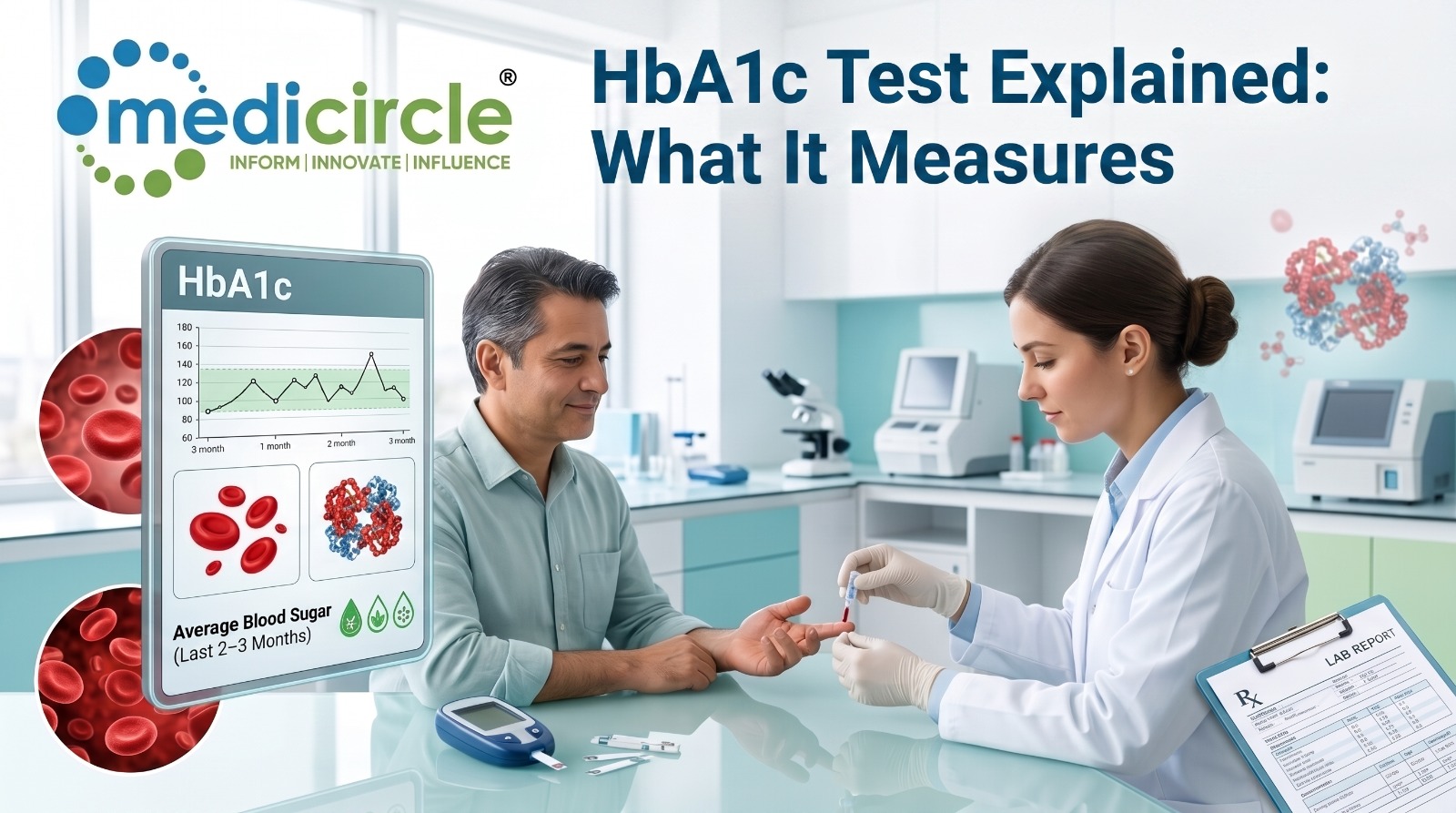
 This article explains the HbA1c test, covering how it measures average blood sugar, normal ranges, diagnostic thresholds for prediabetes and diabetes, and practical steps for management relevant to Indian patients.





Introduction
Diabetes has quietly become one of India's most pressing public health challenges. According to the ICMR-INDIAB study, India is home to more than 100 million people living with diabetes, with millions more unaware they have prediabetes. Amid this growing burden, the HbA1c test has emerged as one of the most reliable tools for understanding how the body has been managing blood sugar over time.
Unlike a routine glucose check that captures a single moment, the HbA1c test tells a longer story. It reflects average blood sugar control over the past two to three months, offering doctors and patients a clearer picture of how well diabetes is being managed, or whether it is developing in the first place. For a country where diabetes often goes undetected until complications appear, understanding this test is not just useful. It is essential.
This article explains what the HbA1c test is, how it works, what the results mean, and why regular testing matters, especially for Indians who face unique genetic and lifestyle-related risk factors.
Understanding HbA1c and How the Test Works
HbA1c, short for glycated hemoglobin, measures the percentage of hemoglobin in the blood that has glucose attached to it. Hemoglobin is the protein inside red blood cells responsible for carrying oxygen throughout the body. When blood sugar levels rise, glucose molecules attach to hemoglobin in a process called glycation.
Since red blood cells live for approximately three months, the HbA1c test captures a running average of blood glucose exposure during that entire period. This is what makes it fundamentally different from a fasting blood glucose test or a random glucose check, both of which only reflect blood sugar at the exact moment the sample is taken.
The test itself is simple. A healthcare professional draws a small blood sample, usually from a vein in the arm, and sends it to a laboratory for analysis. No special preparation is required, and importantly, fasting is not necessary. This makes the HbA1c test convenient for working professionals and elderly patients alike, who can get tested at any time of day without disrupting their routine.
In India, this test is widely available at diagnostic chains, hospital laboratories, and increasingly through home collection services in Tier 1 and Tier 2 cities, making it more accessible than ever before.
Why the HbA1c Test Matters
The significance of HbA1c goes beyond diagnosis. It plays a central role in ongoing diabetes management and risk prediction.
For individuals already diagnosed with diabetes, HbA1c results guide treatment decisions. A rising HbA1c may prompt a doctor to adjust medication, recommend lifestyle changes, or intensify monitoring. Multiple long-term studies, including the landmark Diabetes Control and Complications Trial, have shown that maintaining lower HbA1c levels significantly reduces the risk of complications such as retinopathy, nephropathy, and neuropathy.
For those without a diabetes diagnosis, HbA1c serves as an early warning system. Detecting prediabetes early allows individuals to make meaningful lifestyle changes, often preventing or delaying the onset of type 2 diabetes altogether.
Given India's high genetic predisposition to insulin resistance, often triggered at lower body mass index levels compared to Western populations, early and regular HbA1c testing carries particular importance for Indian patients.
Who Should Get Tested and How Often
Understanding when to get tested can help individuals stay ahead of potential health risks. Testing recommendations generally include the following groups:
- Adults above the age of 45, particularly if they have a sedentary lifestyle or a family history of diabetes
- Individuals who are overweight or obese, especially with additional risk factors such as high blood pressure or high cholesterol
- Women with a history of gestational diabetes or who delivered a baby weighing over four kilograms
- People experiencing symptoms such as excessive thirst, frequent urination, unexplained weight loss, or fatigue
- Those with a family history of type 2 diabetes or existing cardiovascular conditions
For people already diagnosed with diabetes and maintaining stable control, testing every six months is generally sufficient. However, if treatment has recently changed or blood sugar levels are fluctuating, doctors typically recommend testing every three months.
Interpreting HbA1c Results
HbA1c results are expressed as a percentage, reflecting the proportion of glycated hemoglobin in the blood. The commonly accepted diagnostic ranges are as follows:
- Normal: Below 5.7 percent
- Prediabetes: Between 5.7 percent and 6.4 percent
- Diabetes: 6.5 percent or higher
It is worth noting that these ranges serve as general guidelines rather than absolute rules for every individual. Age, coexisting health conditions, and personal medical history can all influence what an ideal target looks like for a specific patient. A younger adult managing newly diagnosed diabetes may be advised to aim for a stricter target, while an elderly patient with other health complications might have a slightly relaxed target to avoid the risks associated with very low blood sugar episodes.
Doctors often use the HbA1c test alongside other diagnostic tools such as fasting plasma glucose or the oral glucose tolerance test, particularly when confirming a new diagnosis, to ensure accuracy and rule out any confounding factors.
Factors That Can Affect Accuracy
While the HbA1c test is generally reliable, certain conditions can interfere with its accuracy, leading to falsely high or low readings. This is particularly relevant in the Indian context, where conditions such as iron deficiency anemia and thalassemia trait are relatively common.
Conditions that may distort results include chronic kidney disease, liver disease, hemoglobin disorders like sickle cell trait or thalassemia, recent blood transfusion, and pregnancy. Certain medications, including some steroids and HIV treatments, may also influence readings.
Patients with any of these conditions should inform their healthcare provider before testing, as an alternative diagnostic approach, such as fasting glucose testing, may provide more accurate results in these situations.
Practical Steps to Improve HbA1c Levels
For individuals whose HbA1c levels are higher than the recommended target, meaningful improvement is achievable through consistent lifestyle adjustments rather than drastic overnight changes.
Dietary modifications play a significant role. Reducing refined carbohydrates and sugary foods, common in many traditional Indian diets that rely heavily on white rice and refined flour, while increasing intake of whole grains, legumes, and vegetables can meaningfully impact blood sugar control. Portion control, particularly around festive occasions and family gatherings, also matters considerably in the Indian dietary context.
Physical activity remains one of the most effective tools for lowering HbA1c. Even moderate activities like brisk walking for thirty minutes most days of the week can produce measurable improvements over a few months. Stress management deserves attention as well, since chronic stress elevates cortisol levels, which in turn can raise blood glucose.
Consistent medication adherence and regular follow-up with a healthcare provider remain the foundation of effective management. Programs under India's National Programme for Prevention and Control of Non-Communicable Diseases and increasing integration with the Ayushman Bharat Digital Mission are gradually making diabetes screening and follow-up more accessible across urban and semi-urban India.
The Growing Role of Awareness and Digital Health in India
As India moves toward more structured, technology-enabled healthcare delivery, platforms that simplify medical information play an increasingly important role. Understanding a test as fundamental as HbA1c should not require a medical degree, and this is precisely the gap that credible healthcare communication aims to fill. By translating complex clinical concepts into accessible language, healthcare media platforms help bridge the gap between medical expertise and everyday patient understanding, supporting both early detection and better long-term management of conditions like diabetes.
Conclusion
The HbA1c test offers something few other diagnostic tools can: a clear, three-month average of blood sugar control in a single blood draw. For a country facing one of the world's largest diabetes burdens, this test represents a practical, accessible way to catch problems early and manage them effectively once diagnosed.
Whether someone is checking for the first time due to risk factors, or monitoring an existing diagnosis, understanding what the numbers mean, and what steps to take next, empowers better health decisions. Regular testing, combined with informed lifestyle choices and consistent medical guidance, remains the most reliable path toward long-term blood sugar control.
Frequently Asked Questions
Q1: What is a normal HbA1c level for a healthy adult?
A normal HbA1c level is generally below 5.7 percent. Levels between 5.7 and 6.4 percent indicate prediabetes, while 6.5 percent or higher suggests diabetes. Individual targets may vary based on age, health status, and doctor recommendations.
Q2: Is fasting required before an HbA1c test?
No, fasting is not required for the HbA1c test. Since it measures average blood glucose over two to three months rather than glucose at a single point in time, the test can be done at any time of day, regardless of recent meals.
Q3: How often should HbA1c be tested in people with diabetes?
People with stable, well-controlled diabetes typically need HbA1c testing twice a year. Those with fluctuating blood sugar levels or recent changes in treatment may need testing every three months for closer monitoring.
Q4: Can conditions other than diabetes affect HbA1c results?
Yes, conditions such as anemia, kidney disease, liver disease, and hemoglobin disorders like thalassemia can distort HbA1c readings. In such cases, doctors may recommend additional tests like fasting glucose or oral glucose tolerance tests for accurate diagnosis.
Q5: What lifestyle changes help lower HbA1c levels naturally?
Regular physical activity, a balanced diet rich in whole grains and vegetables, portion control, stress management, and consistent medication adherence can all contribute to gradually lowering HbA1c levels over time.
Resources
- World Health Organization (WHO): Global guidelines and reports on diabetes prevalence and prevention strategies
- Indian Council of Medical Research (ICMR): INDIAB study data and national diabetes research publications
- Ministry of Health and Family Welfare, Government of India: National Programme for Prevention and Control of Non-Communicable Diseases
- American Diabetes Association: Standards of care in diabetes, including glycemic target guidelines
- National Center for Biotechnology Information (NCBI Bookshelf): Clinical reference material on hemoglobin A1c testing methodology
Interlinking Keywords
HbA1c test, diabetes diagnosis, prediabetes symptoms, blood sugar management, fasting glucose test, diabetes complications, healthy diet for diabetes, diabetes prevention India, glucose tolerance test, diabetes risk factors
Last medically reviewed by:
Medicircle Editorial and Medical Advisory Team on July 15, 2026
Medical Disclaimer:
This article is intended for informational and educational purposes only and does not constitute medical advice. It is not a substitute for professional medical consultation, diagnosis, or treatment. Always seek the advice of a qualified physician or healthcare provider regarding any medical condition, test results, or before making any changes to your treatment plan. Medicircle and its contributors do not assume responsibility for any actions taken based on the information provided in this article.





-23-300x250.png)

.jpeg)






.jpg)
.jpg)
.jpg)
.jpg)
.jpg)
.jpg)
.jpg)
.jpg)
.jpg)