Sunday, October 25, 2026
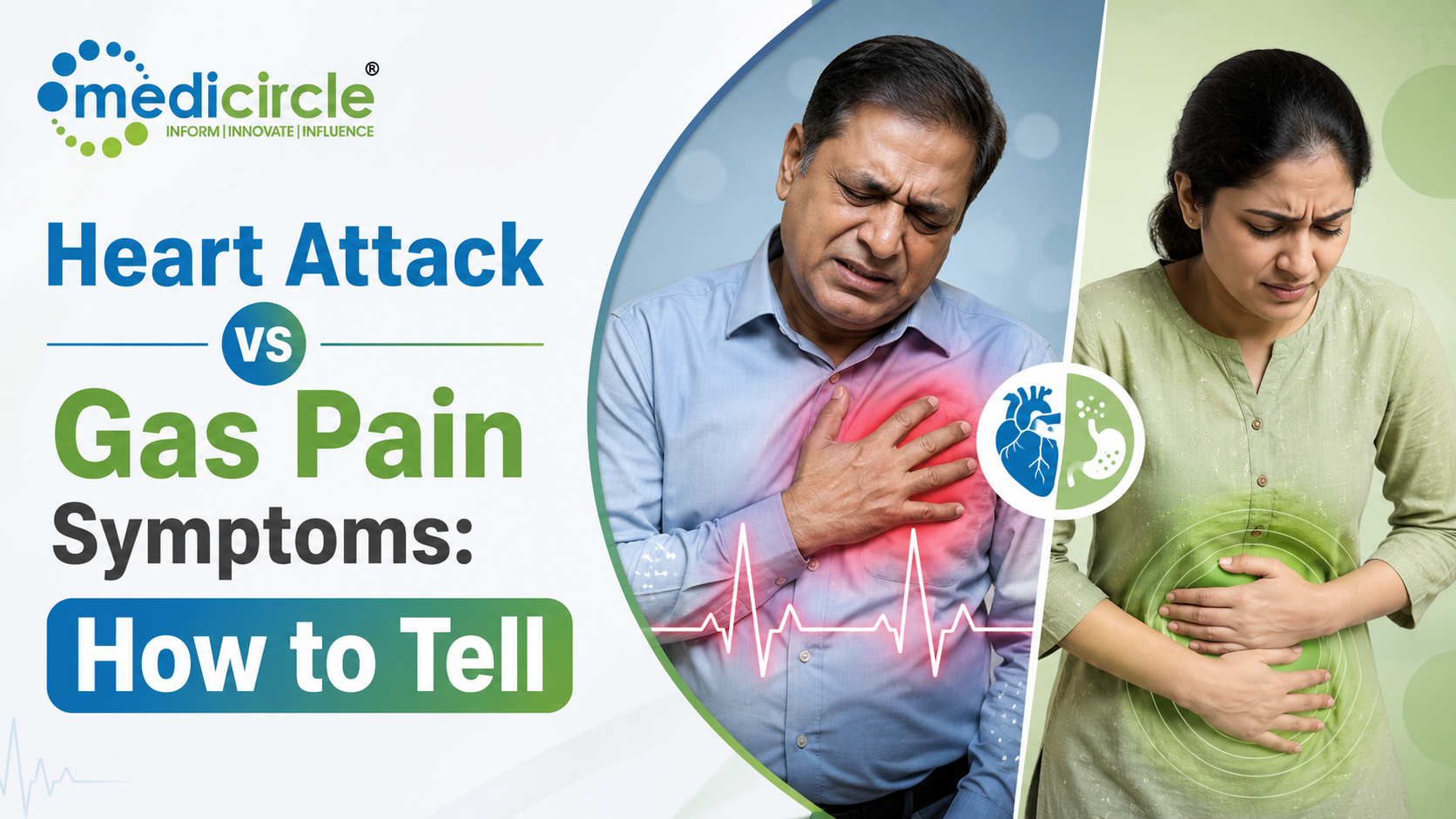
 Distinguishing between a heart issue and a gastric problem when experiencing sudden sweating, left arm pain, and burping is a challenge that requires careful attention and rapid action.




Heart Attack vs Gas Pain Symptoms
Waking up in the middle of the night drenched in a cold sweat, feeling a dull ache creep down your left arm, and belching repeatedly is a terrifying experience. Your mind immediately starts racing. Is that heavy dinner of chole bhature or spicy biryani simply coming back to haunt you as severe acidity, or are you witnessing the scary first stages of a cardiac arrest? In India, where rich, oil-heavy culinary traditions exist alongside a sharp, concerning rise in heart disease, this exact puzzle plays out in households every single day.
Telling these two conditions apart is not just a matter of medical curiosity, because it is a critical skill that saves lives. Because your cardiovascular system and upper digestive tract sit right next to each other inside your chest, their warning signals frequently cross paths. This close proximity causes thousands of people to brush off genuine medical crises as a minor bout of gastric trouble, while others rush to emergency rooms in a state of sheer panic over standard indigestion. Knowing how these internal organs communicate is the first step toward protecting yourself and your family.
Shared Nerve Pathways
To understand why a stomach issue feels so much like a heart issue, we have to look at the body's internal wiring system. The heart, the esophagus, and the stomach all rely on a deeply interconnected network of nerves, specifically the vagus nerve trunk, to send sensory updates back to your brain. When a coronary artery faces a sudden blockage or when the stomach lining becomes raw and inflamed from excess digestive acid, the distress signals travel along identical highway routes up the spinal cord.
This sensory overlap results in a medical phenomenon called referred pain. Your brain receives a frantic distress signal but cannot precisely pinpoint the exact coordinate of the danger, making it feel as though your chest or shoulder is aching when the true culprit is actually an organ inches away.
Cultural Risk FactorsAcross Indian households, there is an incredibly deep-rooted habit of dismissing upper body discomfort as simple gas or bloating. While routine indigestion is an everyday reality, automatically assuming that a radiating arm ache or unexplained sweating is just a dietary mishap can be a fatal error.
Cardiac Event Realities
When unexpected sweating combines with a distinct ache in your left arm, the statistical probability shifts heavily toward a cardiac event. During a typical heart attack, a localized blockage cuts off the vital oxygen supply to a portion of the heart muscle. This sudden cellular starvation panics the body, instantly triggering your sympathetic nervous system into an extreme fight or flight survival mode.
Your adrenal glands immediately flood your system with stress hormones like adrenaline. This hormonal surge causes your sweat glands to open up completely, leading to a profound, cold, and clammy sweat that has absolutely nothing to do with the weather outside or how hard you are moving.
At the exact same time, the nerve confusion kicks in. Because the nerves tracking from your heart tissue enter the spine at the exact same location as the sensory nerves for your left arm, shoulder, neck, and jaw, the brain registers the heart's cry for help as a deep, physical ache traveling all the way down to your fingertips.
Why Heart Issues Cause Burping
It surprises many people to learn that a heart attack can cause frequent belching, but the anatomical link is clear. The bottom wall of your heart rests flat against the diaphragm, sitting directly above your stomach cavity. When this specific area suffers from a lack of oxygenated blood, the resulting inflammation severely irritates the diaphragm muscle and the nerve fibers running through it. This continuous irritation can trick your digestive tract, causing sudden nausea, abdominal swelling, and a persistent urge to burp.
Furthermore, when someone experiences the terrifying onset of a cardiac event, they frequently begin to hyperventilate or swallow air unconsciously due to underlying anxiety and short, rapid breaths. This trapped air builds up rapidly in the stomach, forcing the body to belch repeatedly. Because the physical sensation mimics a buildup of stomach gas, it creates a dangerous illusion that the entire problem is just a simple digestive issue, causing people to waste precious time searching the kitchen for home remedies.
Gastric Acidity and GERD
On the other side of the coin, severe gastrointestinal issues like Gastroesophageal Reflux Disease, stomach ulcers, or acute gastritis are highly capable of mimicking chest pain. When highly acidic stomach juices flow backward past the lower esophageal sphincter, it causes an intense, fiery sensation known as heartburn. Because your esophagus passes directly behind the heart chamber, this localized burn can easily feel like a true cardiac crisis.
Additionally, when gas accumulates heavily in the stomach or the upper bends of the colon, it expands and physically pushes upward against your diaphragm. This upward pressure creates a tight, localized ache that can easily radiate into your left chest wall and shoulder blade, perfectly replicating the classic signs of coronary trouble. However, true gastric pain is almost always tied to food habits, meaning it tends to flare up intensely when you have skipped meals for hours or right after consuming heavy, deep-fried snacks.
Checking the Difference
To figure out exactly what your body is experiencing, take a moment to look at how your symptoms behave when you move around. Cardiac pain is deeply tied to physical effort. If standing up, walking across the room, or trying to climb a flight of stairs causes your arm ache to intensify and leaves you gasping for breath, you are likely looking at a heart issue. Gastric pain behaves differently, which means physical movement will not alter its intensity, though sitting completely upright or leaning forward might offer some structural relief from the acid buildup.
The specific type of pain matters immensely as well. A cardiac emergency rarely presents as a sharp, fleeting, prickling sensation that changes when you take a deep, clear breath. Instead, it feels like an unrelenting, heavy pressure, as if a heavy concrete block is resting directly on your sternum. If drinking a glass of cold water or chewing a quick antacid tablet completely resolves the discomfort within a few minutes, your stomach was likely the issue. If the pain stays steady, deepens, or leaves you with an overwhelming sense of dread, it is time to stop guessing.
Red Flags Demanding Action
When dealing with a potential cardiac emergency, procrastination is your absolute worst enemy. Waiting around to see if the symptoms naturally fade or swallowing antacid syrups repeatedly wastes precious moments where heart muscle can be permanently protected. You must access immediate emergency medical care if your sweating, arm discomfort, and burping are paired with any of these crucial warning signs:
- A deep, squeezing, or crushing tightness in the center of your chest.
- Sudden lightheadedness, severe dizziness, or feeling like you are about to faint.
- Unexplained shortness of breath, even while resting quietly in a chair.
- A spreading pain that moves into your throat, lower jaw, or back muscles.
- A cold, dripping sweat that leaves your face pale and damp.
If these markers appear, skip the local clinic and have someone drive you directly to the nearest major hospital equipped with a dedicated, round the clock cardiac emergency ward. Many standard emergency protocols suggest chewing a full adult aspirin immediately while you are in transit, as this helps thin the blood and keeps dangerous clots from growing larger.
What to Expect Clinically
Once you arrive at a medical center or diagnostic hospital, the emergency team will spring into action with a set of targeted tests to map out exactly what is happening inside your chest.
The Electrocardiogram TestingThis is always the first line of defense. By placing small adhesive sensors on your chest and limbs, doctors can read the real-time electrical rhythms of your heart. An ECG can spot an active arterial blockage or a lack of oxygenated blood flow in a matter of minutes.
Cardiac Biomarker TestingIf the initial ECG is inconclusive, doctors will draw blood to check your Troponin levels. Troponin is a specific protein found inside heart muscle cells. When the heart experiences stress or injury, these cells release the protein into the bloodstream, serving as a highly accurate chemical footprint of a heart attack.
Gastrointestinal DiagnosticsIf your heart health checks out perfectly clear across both tests, the medical team will pivot to explore your digestive tract. This secondary phase often includes upper abdominal ultrasounds, comprehensive metabolic panels, or a scheduled endoscopy to look for structural signs of acid damage, hiatal hernias, or deep stomach inflammation.
Frequently Asked Questions
Can Gas Reach the Arm?
Yes, it can. When a large amount of gas builds up in your stomach or the upper left section of your intestines, it physically presses against the diaphragm muscle. This pressure irritates the local phrenic nerve, which can send a referred ache traveling up into your left shoulder and arm. However, gas will never cause you to break out in a cold, dripping sweat or cause a suffocating weight in your chest.
Why the Overlap Occurs?
The lower wall of the heart is separated from the stomach by nothing more than the thin sheet of your diaphragm, and both organs share a primary nerve highway to the brain. When a blockage hits this lower cardiac region, the nervous system easily misinterprets the distress signals, making you feel like you have a bad case of upper stomach acidity.
Safe Waiting Time Limits?
If your chest discomfort comes hand in hand with sudden sweating and an aching left arm, do not wait more than 10 to 15 minutes. If a fast-acting antacid fails to bring clear, noticeable relief within that tiny window, stop waiting and seek professional medical evaluation immediately.
Protecting Your Long-Term Health
2: Figuring out whether sudden sweating, arm discomfort, and belching point to a cardiac event or a gastric flare-up is a high-stakes challenge that you should never have to navigate entirely alone. While everyone naturally hopes that sudden physical pain is just a passing case of indigestion, the overlapping anatomy of our internal organs means that guessing wrong carries massive risks.
Taking a proactive approach to your health means bypassing the guesswork entirely. By organizing consistent medical checkups, staying in contact with trusted cardiologists and gastroenterologists, and utilizing modern diagnostic platforms to monitor your vital signs, you can catch hidden cardiovascular risks long before they turn into midnight emergencies. Treating your body with this level of care ensures that your heart and your digestive health stay fully protected for the long haul.
Abstract:
Distinguishing between a heart issue and a gastric problem when experiencing sudden sweating, left arm pain, and burping is a challenge that requires careful attention and rapid action.





-23-300x250.png)

.jpeg)


.jpg)
.jpg)
.jpg)
.jpg)
.jpg)
.jpg)
.jpg)
.jpg)
.jpg)