 Wednesday, October 28, 2026
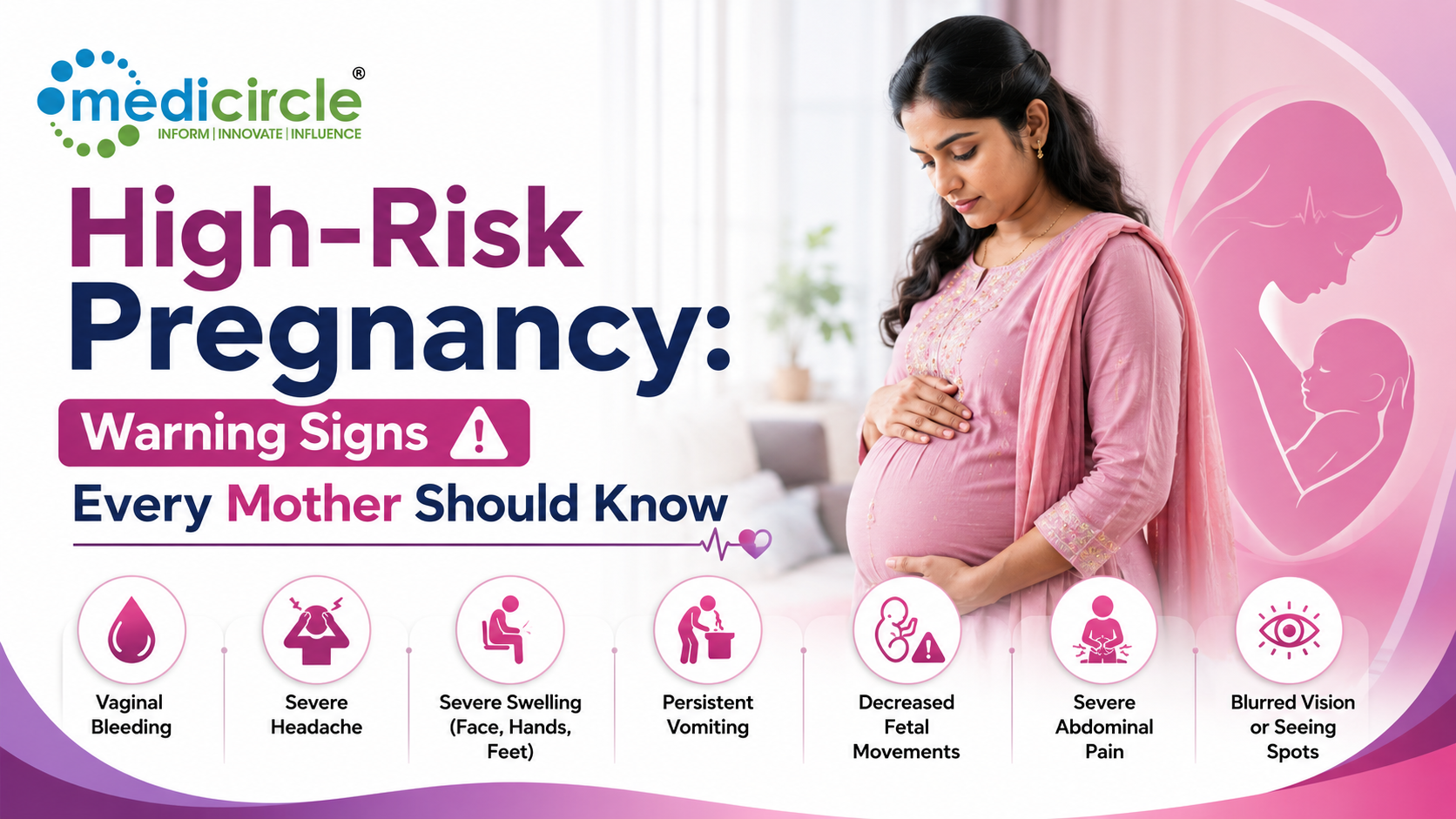
 Knowing what to observe and when to seek emergency help can drastically alter clinical outcomes, ensuring safety for both maternal and fetal health.




Expecting a baby is a profound, life-changing experience filled with lifestyle shifts and physical transformations. While most pregnancies progress naturally without major hurdles, some require a higher level of medical supervision. When health complications pose a threat to either the mother or the developing baby, medical professionals classify the pregnancy as a high-risk pregnancy. This designation does not mean that a healthy birth is out of reach; rather, it serves as a green light for extra care, precise monitoring, and increased clinical attention.
Recognizing the early indicators of potential issues gives families the power to seek timely, effective medical help. Within the Indian healthcare context, unique challenges such as widespread nutritional gaps, undiagnosed baseline health issues, and unequal access to advanced maternity centers make this awareness even more vital. Spotting crucial bodily red flags early ensures both mother and child receive the protective interventions necessary for a safe delivery.
Defining High-Risk Pregnancy Triggers
A pregnancy can be labeled high-risk due to factors present before conception, issues caused directly by the pregnancy, or maternal age. For instance, teenage mothers under seventeen and women over thirty-five face a higher statistical likelihood of encountering clinical difficulties during gestation. Preexisting chronic conditions, such as chronic hypertension, type one or type two diabetes, autoimmune illnesses, and kidney disease, automatically place a pregnancy into this specialized category from day one.
In many scenarios, a pregnancy begins perfectly normally but hits complications along the way. Expecting multiples, developing gestational diabetes mid-pregnancy, experiencing preeclampsia symptoms, or having a medical history of multiple miscarriages completely alters the standard management plan. Pinpointing these baseline concerns allows doctors to design personalized prenatal schedules, use targeted diagnostic testing, and carefully track fetal development milestones.
Preexisting Health Conditions
A mother’s medical health before getting pregnant plays a major role in how her body adapts to gestation. For example, unmanaged high blood pressure can constrict blood vessels, reducing vital blood flow to the placenta. This restriction often results in lower birth weights or early labor. Left unchecked, chronic hypertension also increases the chance of placental abruption, a dangerous emergency where the placenta tears away from the womb too early.
Preexisting diabetes represents another significant clinical challenge. Poorly regulated blood sugar levels during the critical early weeks of embryonic growth elevate the risk of congenital structural anomalies and macrosomia, which frequently makes traditional vaginal deliveries complex. Safely managing these systemic issues demands a tightly coordinated team effort involving endocrinologists, obstetricians, and specialized dietitians to keep maternal health markers stable.
Critical Warning Signs
Every pregnant woman encounters standard discomforts like mild morning nausea or routine lower back fatigue. However, specific physical changes point directly to deeper physiological distress that requires immediate professional evaluation.
Rapid Weight GainWhile mild swelling in the ankles, feet, and calves is a common consequence of fluid retention in the third trimester, sudden puffiness in the face, hands, and around the eyes is a clear warning sign of preeclampsia symptoms. This is a serious, pregnancy-induced high blood pressure disorder that can damage vital systems, including the liver and kidneys. If this rapid swelling occurs alongside a throbbing, unrelenting headache that does not ease with rest, seeking immediate emergency care is non-negotiable.
Constant Abdominal DiscomfortSharp or localized pain in the abdomen that feels entirely different from standard round ligament stretching or mild muscle pulling demands quick attention. During the first trimester, severe one-sided pelvic pain could point to an ectopic pregnancy, where the embryo implants outside the uterus. In the later months, constant, intense abdominal cramping or a rigid, rock-hard abdomen can be a sign of a uterine tear or placental separation, both of which are acute emergencies.
Reduced Fetal MovementExpectant mothers generally start noticing distinct fetal kicks and movements between the eighteenth and twenty-second weeks of pregnancy. Over time, mothers learn the unique daily patterns of the baby. A sudden, sharp drop or a total stop in these movements can indicate fetal distress, low amniotic fluid levels, or placental dysfunction. Obstetricians regularly advise tracking these changes using a simple daily kick count to identify and report anomalies instantly.
Gestational Medical Issues
Certain medical conditions arise exclusively during pregnancy, appearing even in women who have always been perfectly healthy. Gestational diabetes mellitus usually manifests around the second or third trimester. This happens because placental hormones naturally block the proper action of maternal insulin, causing blood sugar levels to spike. If left unmonitored, gestational diabetes can cause neonatal breathing struggles or dangerous drops in the blood sugar of the infant right after birth.
Gestational hypertension is another condition that can develop unexpectedly. Unlike preeclampsia symptoms, this form of high blood pressure occurs without spilling protein into the urine. Even so, it requires strict, ongoing tracking because it can quickly turn into preeclampsia without warning, threatening the heart health of the mother and restricting the growth of the baby.
Crucial Screening Tools
Successfully managing a high-risk pregnancy relies heavily on precise diagnostic tests and routine physical monitoring. Advanced imaging, specialized blood panels, and cardiac tracing help medical teams stay a step ahead of complications.
|
Diagnostic Tool |
Clinical Purpose |
Frequency and Timing |
|---|---|---|
|
Targeted Ultrasound |
Examines detailed fetal organ development and checks the position of the placenta. |
Typically scheduled between weeks eighteen and twenty-two. |
|
Glucose Tolerance Test |
Identifies gestational diabetes by tracking how the body of the mother processes sugar. |
Usually completed between weeks twenty-four and twenty-eight. |
|
Non-Stress Test |
Monitors the heart rate patterns of the baby in response to natural movements. |
Weekly or bi-weekly during the third trimester as needed. |
|
Doppler Flow Studies |
Measures the speed and safety of blood flow traveling through the umbilical cord. |
Used if there are concerns about slow fetal growth. |
Practical Care Steps
When a pregnancy is classified as high-risk, adopting an organized, proactive approach to daily health can significantly lower the chances of major complications. The absolute foundation of good care is showing up to every single scheduled prenatal appointment. These checkups are highly functional, giving the doctor the chance to tweak medication dosages, alter nutritional choices, and adjust physical activity levels based on the latest lab results.
Emphasizing a clean, nutrient-dense diet packed with folic acid, iron, and calcium supports the structural development of the baby while protecting the mother from severe anemia. Adequate physical rest is equally vital; when an obstetrician advises pelvic rest or reduced movement, it is specifically to lower mechanical pressure on a short cervix or a low-lying placenta. Finally, avoiding self-medication is crucial, as many common over-the-counter pills can cross the placenta and disrupt fetal growth.
Frequently Asked Questions
Does a high-risk label mean a Cesarean section is automatic?
No, it does not. While a Cesarean delivery is frequently recommended for specific complications like placenta previa or acute fetal distress, many women with high-risk factors give birth vaginally under the continuous, careful monitoring of their medical team.
How often are obstetrician visits required?
The timeline for checkups depends entirely on the specific nature of the complications. While a routine pregnancy involves monthly evaluations early on, high-risk conditions often require appointments every two weeks, or even weekly, to keep a close eye on blood pressure and fetal well-being.
Can emotional stress trigger high-risk complications?
Severe, long-term stress raises cortisol levels in the body, which can negatively impact maternal blood pressure and fetal birth weights. While ordinary daily stresses will not make a pregnancy high-risk, emotional support and stress-reduction techniques remain an essential part of overall maternal health.
Is strict bed rest mandatory?
Full bed rest is prescribed much less often today than it used to be, primarily because staying completely immobile increases the risk of developing blood clots. Instead, specialists usually recommend modifying daily activities, pacing yourself, or reducing working hours based on specific medical indicators.
Conclusion and Guidance
Hearing that your pregnancy is a high-risk pregnancy can naturally cause anxiety, but modern maternal-fetal medicine and structured care paths have made these journeys highly manageable and successful. Learning about critical warning signs is not meant to create fear; it is designed to give you the precise information you need to protect your health.
By staying highly tuned to the signals of your body, maintaining an open line of communication with your medical specialists, and consistently following your clinical care plan, you can face these challenges with confidence. Every proactive choice you make regarding regular monitoring, sound nutrition, and quick medical evaluation moves your family closer to a safe, happy, and healthy delivery day.





-23-300x250.png)

.jpeg)






.jpg)
.jpg)
.jpg)
.jpg)
.jpg)
.jpg)
.jpg)
.jpg)
.jpg)

