Friday, October 23, 2026
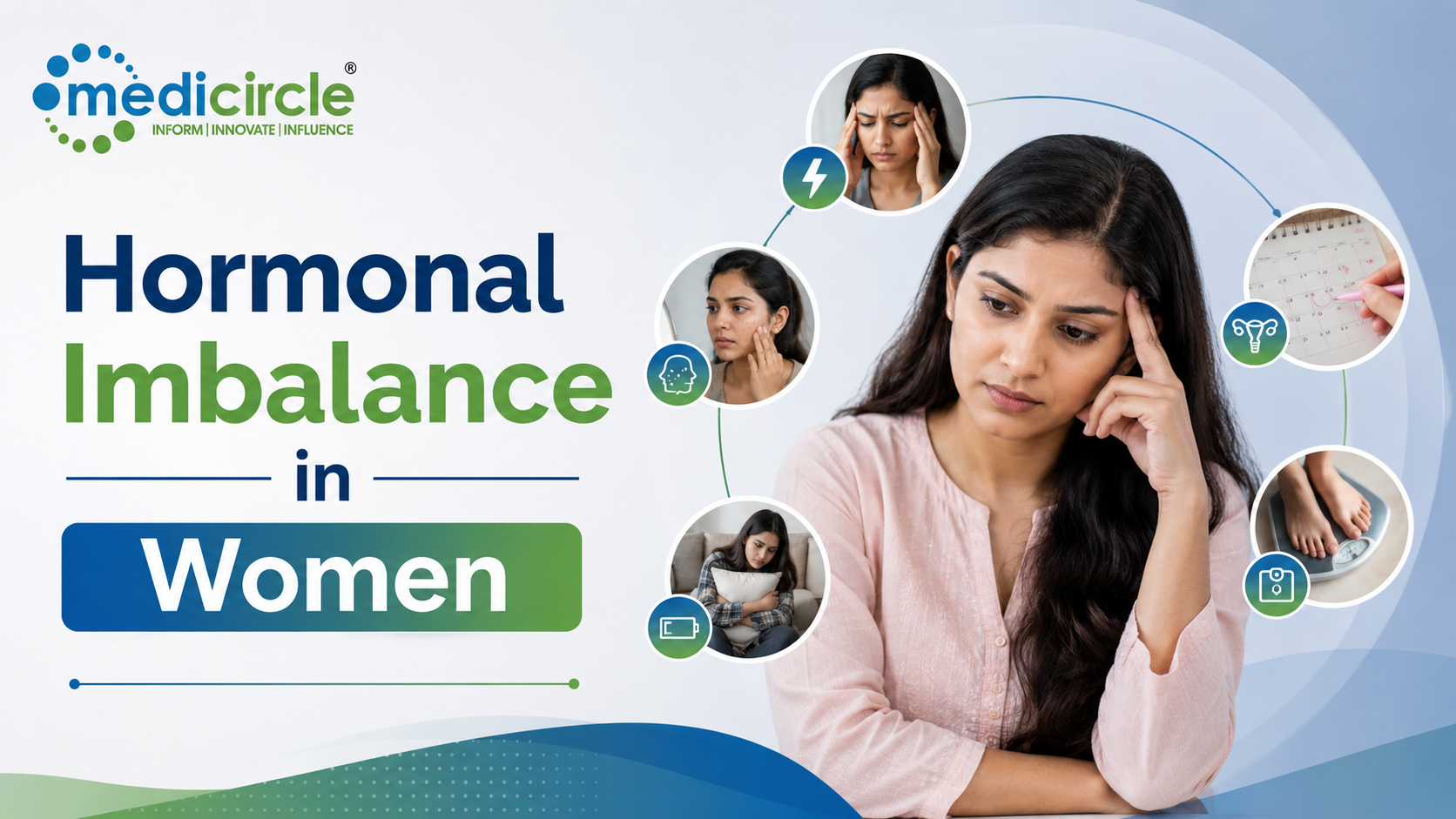
 Hormonal imbalance in women, driven by PCOS, thyroid disorders, stress, and lifestyle factors, causes symptoms including irregular periods, fatigue, weight changes, and mood disturbances, and is effectively manageable with timely medical and lifestyle intervention.





Introduction: Why Hormonal Health Deserves Serious Attention
Hormones are the body's most powerful chemical messengers, quietly governing nearly every function that keeps a woman healthy, from menstrual cycles and fertility to sleep, mood, metabolism, and skin condition. When these messengers are in balance, the body functions smoothly and efficiently. When they are not, the effects can be wide-ranging, deeply disruptive, and easy to misattribute to stress or simply "not feeling well."
Across India, hormonal imbalance in women is an issue of growing clinical concern. The combined pressures of changing urban lifestyles, sedentary habits, high-stress environments in Tier 1 and Tier 2 cities, nutrient-deficient diets, and irregular sleep patterns are creating conditions that disturb the endocrine system in ways that were far less common a generation ago. According to available data, polycystic ovary syndrome (PCOS), one of the most prevalent hormonal disorders in women of reproductive age, affects approximately one in five Indian women, making India one of the most affected countries globally.
Yet a large proportion of women continue to go undiagnosed for months or even years, either dismissing their symptoms as normal or lacking access to reliable medical information that can help them understand what their body is trying to communicate. Medicircle, as a trusted healthcare communication platform, is committed to bridging that gap. This article offers a comprehensive and evidence-based guide to hormonal imbalance in women: what it is, why it happens, how to recognise it, and what can be done about it.
Understanding Hormones and Why Balance Matters
The human body produces over 50 distinct hormones, each with a specific role in regulating physiological processes. In women, the key hormones include estrogen, progesterone, testosterone (present in smaller amounts), thyroid hormones, cortisol, insulin, follicle-stimulating hormone (FSH), luteinizing hormone (LH), and prolactin, among others.
These hormones are produced by glands that together form the endocrine system. The ovaries, thyroid gland, adrenal glands, pituitary gland, and hypothalamus are the most critical endocrine organs in women. Each of these glands receives and sends biochemical signals in a carefully calibrated feedback loop. Even small disruptions to this loop can have cascading effects across multiple body systems.
A hormonal imbalance in women occurs when one or more hormone levels rise too high or fall too low relative to their normal physiological range. Because hormones interact with each other and with multiple organ systems simultaneously, an imbalance rarely produces just one isolated symptom. Its effects tend to span multiple areas of health.
It is important to understand that not all hormonal fluctuations constitute an imbalance. Natural, predictable hormonal changes occur throughout a woman's life during puberty, across the menstrual cycle, during pregnancy and the postpartum period, and during perimenopause and menopause. What distinguishes a clinical hormonal imbalance from these expected shifts is the persistence, severity, and impact of symptoms outside these naturally occurring phases.
Primary Causes and Risk Factors of Hormonal Imbalance in Women
Hormonal imbalance does not usually arise from a single cause. In most cases, it develops from an interplay of medical, lifestyle, and environmental factors. Understanding the root causes is the first step toward effective management.
Polycystic Ovary Syndrome (PCOS)PCOS is the most common hormonal disorder among Indian women of reproductive age. It involves elevated levels of androgens (male hormones), insulin resistance, and disrupted ovulation. The condition creates a ripple effect that disturbs multiple hormones simultaneously, including estrogen, progesterone, LH, and FSH.
Thyroid DisordersBoth hypothyroidism (underactive thyroid) and hyperthyroidism (overactive thyroid) profoundly affect hormonal balance. Thyroid hormones regulate metabolism, body temperature, and energy, and their imbalance can interfere with reproductive hormones as well. India has a significant burden of thyroid disease, with iodine deficiency historically being a contributing factor in many regions.
Chronic Stress and Cortisol DysregulationStress triggers the release of cortisol from the adrenal glands. Chronic, unmanaged stress keeps cortisol levels persistently elevated, suppressing ovarian function, disrupting the menstrual cycle, and interfering with sleep and immune response. The demanding lifestyles common in urban Indian environments, including long working hours, financial pressures, and inadequate rest, make cortisol dysregulation an increasingly common contributor to hormonal imbalance.
Insulin Resistance and Metabolic FactorsInsulin resistance, in which the body's cells do not respond effectively to insulin, disturbs not only blood sugar regulation but also sex hormone balance. Elevated insulin levels can stimulate the ovaries to produce more androgens, contributing to both PCOS and its associated symptoms.
Perimenopause and MenopauseAs women approach their mid-to-late forties, estrogen and progesterone levels begin to fluctuate and ultimately decline. This transition, known as perimenopause, can span several years and produce a wide range of hormonal symptoms before menstruation ceases altogether at menopause. In India, the average age of menopause is approximately 46 years, slightly earlier than the global average, meaning Indian women may enter this hormonal transition sooner than is commonly acknowledged.
Additional Contributing FactorsOther causes of hormonal imbalance include autoimmune conditions such as Hashimoto's disease and Graves' disease; pituitary gland tumors or adenomas; primary ovarian insufficiency; certain medications including hormonal contraceptives and steroids; nutritional deficiencies particularly in vitamin D, iron, and iodine; exposure to endocrine-disrupting chemicals in food packaging, pesticides, and cosmetics; and significant weight gain or obesity, which elevates estrogen levels through fat tissue.
Recognising the Symptoms of Hormonal Imbalance in Women
The symptoms of hormonal imbalance in women are wide-ranging because hormones influence nearly every system in the body. Symptoms also vary depending on which hormone or hormones are out of balance and by how much.
Menstrual IrregularitiesChanges in the menstrual cycle are among the earliest and most telling signs of hormonal imbalance. Periods that arrive too early, too late, or not at all, cycles that are unusually heavy or very light, and menstruation that is accompanied by severe cramping can all point to disruptions in estrogen, progesterone, FSH, or LH.
Unexplained Weight ChangesWeight gain that cannot be attributed to dietary changes, or conversely, unexpected weight loss, can be a direct consequence of hormonal disruption. Low thyroid hormone levels slow metabolism and promote fat accumulation. Elevated cortisol encourages abdominal fat storage. Insulin resistance drives weight gain, particularly around the midsection.
Persistent FatigueWomen with hormonal imbalance frequently report feeling deeply tired regardless of how much sleep they get. This is distinct from the ordinary tiredness of a busy day. Fatigue related to hormonal imbalance is often accompanied by brain fog, poor concentration, and a general lack of vitality.
Skin and Hair Changes- Acne that appears on the face, jawline, chest, or back in adult women is often driven by elevated androgens.
- Excessive hair growth on the face, chin, and body (hirsutism) signals high androgen levels, commonly seen in PCOS.
- Hair thinning or hair loss can result from thyroid dysfunction, elevated DHT, or nutritional deficiencies triggered by hormonal disruption.
- Dry, dull, or prematurely aging skin may indicate low estrogen or thyroid insufficiency.
Estrogen influences serotonin production, the neurotransmitter most closely associated with mood regulation. When estrogen levels drop or fluctuate significantly, women may experience anxiety, depression, sudden irritability, or emotional volatility. Many Indian women attribute these changes to personal or social stress without investigating the underlying hormonal component.
Sleep DisturbancesProgesterone has a naturally calming and sleep-promoting effect. When its levels fall, as they do before menstruation, after childbirth, or during perimenopause, insomnia, restless sleep, and night sweats are common complaints.
Reproductive and Sexual Health Changes- Difficulty conceiving is strongly associated with hormonal imbalance, particularly PCOS, thyroid disorders, and elevated prolactin.
- Reduced libido and vaginal dryness are symptoms of low estrogen, commonly experienced during perimenopause.
- Breast tenderness and bloating frequently accompany estrogen dominance or progesterone deficiency.
Estrogen and progesterone both influence gut motility. Hormonal fluctuations around the menstrual cycle or during perimenopause can cause bloating, constipation, diarrhea, or worsening of irritable bowel symptoms.
Diagnosis and Medical Evaluation
There is no single universal test for hormonal imbalance. Diagnosis requires a thorough clinical approach.
A doctor will begin with a detailed medical history, including information about the menstrual cycle, recent weight changes, energy levels, mood, fertility concerns, medication use, and family history of hormonal conditions. A physical examination may follow, checking for signs such as thyroid enlargement, skin changes, body hair distribution, and blood pressure.
Blood tests form the cornerstone of hormonal investigation and may include levels of FSH, LH, estradiol, progesterone, testosterone, prolactin, thyroid-stimulating hormone (TSH), free T3 and T4, fasting insulin, blood glucose, and vitamin D. These tests are widely available across most cities and district hospitals in India.
Imaging may also be required. A pelvic ultrasound is commonly performed to assess the ovaries for cysts in cases of suspected PCOS. A thyroid ultrasound may be ordered if a structural thyroid abnormality is suspected. In some situations, an MRI of the pituitary gland may be needed to rule out pituitary pathology.
Women in India are advised to consult a gynecologist for reproductive hormone concerns, and an endocrinologist for broader endocrine conditions such as thyroid disease or adrenal dysfunction. Many government medical colleges and hospitals under the Pradhan Mantri Ayushman Bharat scheme now offer hormonal evaluation services, improving access for women beyond metropolitan cities.
Treatment Options and Management Strategies
Treatment for hormonal imbalance is individualized and depends entirely on the underlying cause, the severity of symptoms, the woman's age, and her reproductive goals.
Medical TreatmentsThyroid disorders are managed with synthetic hormone replacement in the case of hypothyroidism, or with antithyroid medications and radioiodine therapy for hyperthyroidism. These treatments are highly effective when consistently followed.
PCOS management typically involves a combination of lifestyle modification and medication. Oral contraceptive pills are commonly prescribed to regulate the menstrual cycle and reduce androgen levels. Metformin may be used to address insulin resistance. Anti-androgen medications can help with acne and excess hair growth.
For women experiencing hormonal decline associated with perimenopause or menopause, hormone replacement therapy (HRT) may be considered under careful medical supervision. HRT can significantly reduce hot flashes, sleep disturbances, mood changes, and vaginal atrophy.
Elevated prolactin levels caused by a pituitary adenoma are typically treated with dopamine agonist medications, which are effective in the majority of cases.
Lifestyle and Nutritional StrategiesLifestyle changes form a critical component of hormonal health management, often producing meaningful improvements even before medication is introduced.
- A diet rich in whole grains, fresh vegetables, legumes, and lean protein supports hormonal health. Traditional Indian foods such as methi (fenugreek), rajma, dal, and seasonal vegetables are nutritionally appropriate for hormonal balance.
- Minimizing consumption of processed foods, refined sugar, and trans fats reduces insulin resistance and supports estrogen metabolism.
- Regular physical activity, including a combination of aerobic exercise and strength training, helps regulate insulin, cortisol, and reproductive hormones.
- Stress management through practices such as yoga, pranayama, meditation, and adequate rest are particularly well-suited to the Indian lifestyle and have demonstrated measurable hormonal benefits in research settings.
- Maintaining a healthy body weight is essential, as both underweight and overweight states disturb hormonal equilibrium.
Certain nutritional deficiencies are common contributors to hormonal imbalance in Indian women. Vitamin D deficiency, widespread across India due to indoor lifestyles and dietary gaps, is associated with PCOS, thyroid dysfunction, and mood disorders. Iron deficiency can worsen fatigue and menstrual irregularities. Omega-3 fatty acids have demonstrated anti-inflammatory effects that support hormonal health. Supplements should only be taken under medical supervision and after testing confirms a deficiency.
Prevention and Proactive Hormonal Health
While not all hormonal imbalances are preventable, a proactive approach to health significantly reduces the risk of developing severe or chronic hormonal disorders.
Women should prioritize annual health screenings, especially after the age of 30, including thyroid function tests, blood glucose, and gynecological evaluation. Regular menstrual tracking using apps or a diary helps identify early irregularities that warrant investigation.
Reducing exposure to endocrine-disrupting chemicals, found in certain plastic containers, non-stick cookware coatings, pesticide-laden produce, and some personal care products, is a practical and increasingly recognized preventive measure.
For adolescent girls in India, early education about normal versus abnormal hormonal patterns, nutrition, and the importance of physical activity can establish healthy habits that protect long-term hormonal health. Platforms like Medicircle play a meaningful role in making such educational content accessible to a broader audience, including patients, parents, and healthcare providers across the country.
Conclusion
Hormonal imbalance in women is far more than a medical inconvenience. It is a condition that affects physical health, emotional well-being, fertility, and quality of life in profound ways. For Indian women, the challenge is compounded by lifestyle factors unique to a rapidly changing society, as well as the persistent tendency to normalize symptoms that are, in fact, signals of an underlying health concern.
The encouraging reality is that hormonal imbalance is highly manageable. With timely diagnosis, medically guided treatment, and sustainable lifestyle changes, most women achieve meaningful hormonal balance and a significant improvement in their overall health. The key is awareness: knowing what to look for, understanding when to seek professional help, and having access to reliable and credible healthcare information.
Medicircle remains committed to ensuring that Indian women, across cities, towns, and regions, have access to the expert healthcare knowledge they need to take charge of their hormonal health with confidence and clarity.
Frequently Asked Questions
Q1: What are the most common signs of hormonal imbalance in women?
The most common signs include irregular or missed periods, unexplained weight gain or loss, persistent fatigue, adult acne, hair thinning, mood swings, sleep disturbances, and difficulty conceiving. These symptoms often overlap with other conditions, so a proper hormonal evaluation by a doctor is essential.
Q2: Can hormonal imbalance in women be cured permanently?
In many cases, hormonal imbalance can be effectively managed or resolved with the right combination of medical treatment, lifestyle changes, and dietary improvements. Conditions like PCOS and thyroid disorders require ongoing management, but many women experience significant improvement and restored hormonal balance with consistent care.
Q3: Which doctor should Indian women consult for hormonal imbalance?
Women should first consult a gynecologist or an endocrinologist. A gynecologist handles reproductive hormone concerns such as PCOS and menstrual irregularities, while an endocrinologist specializes in broader hormone-related conditions including thyroid disorders, adrenal issues, and diabetes.
Q4: Is hormonal imbalance common in young Indian women?
Yes, hormonal imbalance is increasingly common among young Indian women, particularly due to sedentary lifestyles, poor dietary habits, chronic stress, disturbed sleep patterns, and rising prevalence of PCOS. Studies suggest that PCOS alone affects approximately one in five women in India, making it one of the leading hormonal concerns in this age group.
Q5: How is hormonal imbalance diagnosed in women?
Diagnosis involves a detailed clinical history, physical examination, and blood tests to measure levels of hormones such as estrogen, progesterone, thyroid hormones, FSH, LH, prolactin, and testosterone. In some cases, an ultrasound of the pelvis or thyroid, and occasionally an MRI or pelvic examination, may also be recommended.
Resources
- Indian Council of Medical Research (ICMR): Guidelines and clinical research publications on women's reproductive and endocrine health in India
- World Health Organization (WHO) India: Country-specific data and recommendations on women's health, noncommunicable diseases, and hormonal disorders
- Ministry of Health and Family Welfare, Government of India (mohfw.gov.in): National health policies, Ayushman Bharat scheme details, and public health resources for women
- National Institute of Nutrition, Hyderabad (nin.res.in): Nutritional research and dietary guidelines relevant to hormonal health for Indian women
- PubMed, National Library of Medicine (pubmed.ncbi.nlm.nih.gov): Peer-reviewed research studies on PCOS, thyroid disorders, and hormonal imbalance in women
Interlinking Keywords
PCOS in women, thyroid disorders in women, irregular periods causes, women's reproductive health India, hormonal acne treatment, perimenopause symptoms, estrogen and progesterone imbalance, fertility and hormonal health, insulin resistance in women, women's endocrine health
Last medically reviewed by:
Editorial and Medical Review Team, Medicircle.in on 27 July 2027
Medical Disclaimer:
This article is intended for general informational and educational purposes only. It does not constitute medical advice, diagnosis, or treatment. The information provided should not be used as a substitute for professional medical consultation, diagnosis, or treatment by a qualified and licensed physician or healthcare provider. Always seek the advice of your doctor or another qualified health professional with any questions you may have regarding a medical condition or health concern. Never disregard professional medical advice or delay in seeking it because of something you have read in this article. Medicircle does not endorse any specific tests, physicians, products, procedures, opinions, or other information that may be mentioned in this article.





-23-300x250.png)

.jpeg)


.jpg)
.jpg)
.jpg)
.jpg)
.jpg)
.jpg)
.jpg)
.jpg)
.jpg)