 Thursday, October 08, 2026
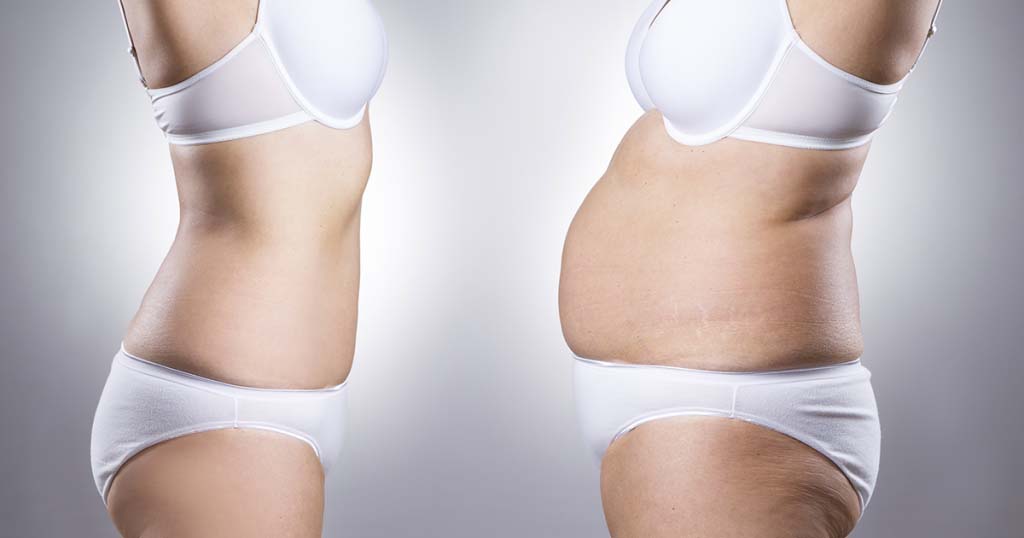
 PCOS is very difficult condition to deal with in some women especially who want to lose weight
Medications are important but lifestyle changes also play a very important role to bring about a change in your health. Embrace a healthy lifestyle with these tips and diet for PCOS which can help to have a healthy future.
PCOS is very difficult condition to deal with in some women especially who want to lose weight
Medications are important but lifestyle changes also play a very important role to bring about a change in your health. Embrace a healthy lifestyle with these tips and diet for PCOS which can help to have a healthy future.





Increasing weight causes a lot of problems. But what if the cause of weight gain is due to some disease, in such a situation it may become even more difficult to lose weight. A similar situation occurs in women during polycystic ovary syndrome (PCOS). Actually, this problem is hormonal imbalance. Due to this problem, the weight of women starts increasing in a very unusual way.
Even if a woman tries to lose weight during PCOS, she gets only half the results compared to her hard work. Therefore, it is important that women suffering from PCOS know the right way and diet to lose weight. If you are suffering from this problem then we have brought for you 5 such tips that will help you lose weight.
The right choice of exercise
Our first suggestion is exercise. Losing weight without exercise is almost impossible. On the other hand, women suffering from PCOS must exercise sometime before meals. This improves their metabolism. If you want to reduce a lot of calories, then you should do high-intensity exercise. In this, you can choose exercises like cross fit, cardio, swimming.
Add a punch of More fiber
Eating more fiber-rich foods in reducing weight not only keeps your stomach full for a long time. Rather, through this, your digestive system also gets better. Along with this, it also controls the sugar level present in your blood. Apart from this, it has also been reported in one study that taking high fiber in abundance can also reduce insulin resistance. Consuming fiber-rich foods helps women with PCOS to reduce belly fat.
Incorporate curd in diet
Our intestinal bacteria play an important role in reducing weight. Apart from this, it also works to strengthen the metabolism. At the same time, the number of these bacteria in the intestine of women suffering from PCOS is slightly less, due to which they face difficulty in losing weight. But, it is not that these bacteria cannot be increased. For this, you have to consume curd and kefir. By consuming this, the number of bacteria in your gut will increase and it will be a little easier for you to lose weight.
What to eat
Now if you are reducing carbs, they also keep in mind that you have to consume more foods rich in good fat. For good fat, you can consume olive oil, nut butter, avocado, etc. The more calories present in them will keep you full of energy and you will avoid eating anything untimely. Apart from this, the nutrients present in these foods will keep you away from other effects of PCOS.
Our food gives shape to our bodies. In such a situation, it is important that you reduce the number of carbs from your diet a little. If you have PCOS problems from above, then consuming more carbs can increase your weight more. There have been many studies that show that if a woman suffering from PCOS consumes more carbs, then it affects insulin, which is an important reason for weight gain and body fat.





.jpeg)








.jpg)
.jpg)
.jpg)
.jpg)
.jpg)
.jpg)


.jpg)
.jpg)
.jpg)