Friday, October 23, 2026
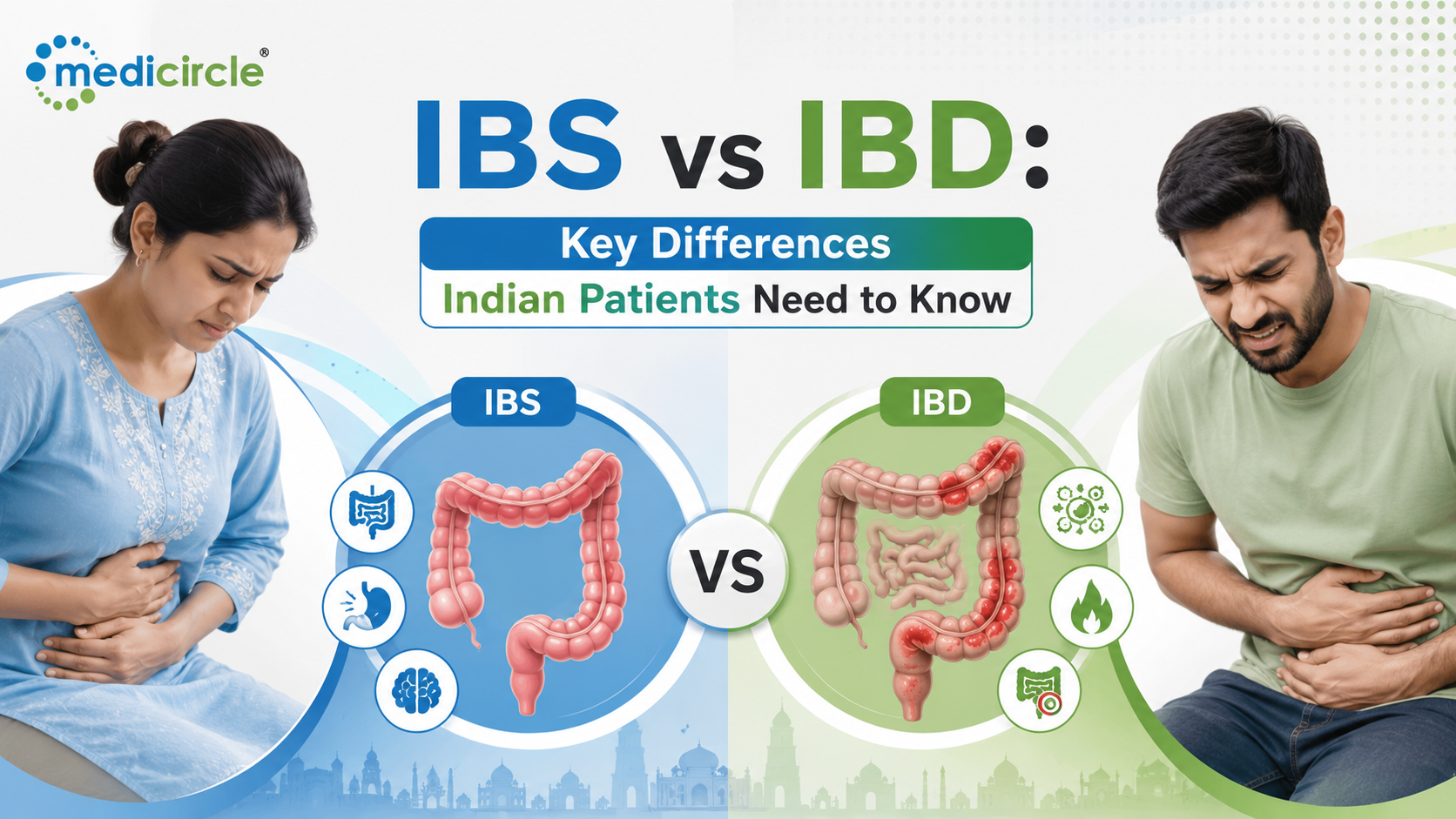
 Understanding the core differences between IBS and IBD is the first essential step toward seeking the right medical guidance and achieving proper gut health management.




IBS vs IBD: Patient Guide
Persistent stomach cramps, erratic bathroom visits, and the constant stress of planning your day around a sensitive stomach are realities for countless individuals across India. Gastrointestinal distress ranks among the leading reasons people visit family doctors and gastroenterologists today. This surge in digestive complaints is heavily driven by rapidly shifting urban diets, fast-paced lifestyles, and high daily stress levels. Unfortunately, finding the right relief is often delayed by a common misunderstanding: confusing Irritable Bowel Syndrome (IBS) with Inflammatory Bowel Disease (IBD). These specific terms are frequently searched by individuals looking for answers regarding IBS symptoms, IBD symptoms, and irritable bowel syndrome causes.
Though their names sound nearly identical and both cause significant distress in the digestive tract, these two medical issues are entirely different beasts. They stem from different origins, carry vastly different long-term health implications, and require entirely distinct medical approaches. Mistaking one for the other often leads to risky self-medication, delayed proper treatment, and unnecessary mental panic. Gaining a clear perspective on how IBS and IBD differ is the crucial turning point toward managing your symptoms safely and effectively, especially when exploring IBS treatment or specialized IBD treatment options.
Defining Core Concepts
To truly see how these conditions diverge, we need to lift the hood and look at what is happening biologically inside the gut. The baseline difference comes down to a simple question: is the plumbing malfunctioning, or is the actual pipe physically damaged?
Understanding IBS
Think of Irritable Bowel Syndrome as a communication breakdown between the brain and the digestive system. Medically, it is called a functional gastrointestinal disorder. If a physician performs a scan, draws blood, or examines the inside of the intestine with a camera, everything looks textbook-perfect. There are no wounds, no swelling, and no physical defects. Instead, the gut is simply misbehaving. The intestinal muscles might contract unevenly, either clamping down too fast or lagging behind, and the local nerve endings become hypersensitive. This combination creates intense bloating, gas, and pain out of thin air, despite the physical structure of the gut being completely unharmed. Patients frequently search for irritable bowel syndrome causes to understand this hypersensitivity, which is deeply linked to lifestyle factors.
Understanding IBD
Inflammatory Bowel Disease is a structural, progressive illness characterized by destructive, chronic inflammation. It is an autoimmune condition, meaning the body’s internal defense system goes rogue and launches an attack against the healthy lining of its own digestive tract. This ongoing assault causes tangible, visible damage like bleeding raw ulcers, deep tissue swelling, and permanent scarring. Under the broad umbrella of IBD, medical professionals primarily treat two specific conditions:
- Ulcerative Colitis: This disease causes continuous inflammation and painful open sores restricted entirely to the inner lining of the colon and the rectum.
- Crohn’s Disease: This more versatile form can ignite chronic inflammation anywhere from the mouth down to the exit of the digestive tract. It can penetrate deep into every layer of the intestinal wall, often leaving healthy patches of tissue right next to heavily diseased segments.
Comparing Main Symptoms
Because both conditions reside in the abdomen, they share an overlapping set of frustrating symptoms, like stomach pain, cramping, and unpredictable bowel habits. However, looking closely at specific warning signs reveals distinct patterns that help doctors separate the two. Evaluating IBS symptoms versus IBD symptoms is critical for an accurate clinical assessment.
|
Feature |
Irritable Bowel Syndrome (IBS) |
Inflammatory Bowel Disease (IBD) |
|---|---|---|
|
Nature of Issue |
Functional malfunction |
Structural damage |
|
Intestinal Damage |
Absent |
Present |
|
Signature Symptoms |
Bloating, gas, alternating constipation and diarrhea |
Chronic watery diarrhea, bloody stools, rapid weight loss |
|
Impact Outside Gut |
Extremely rare |
Common |
|
Long-Term Risks |
Does not damage tissue |
Can lead to strictures and blockages |
For individuals dealing with IBS, abdominal pain is intimately linked to bowel movements. Many find that passing stool brings immediate, temporary relief from cramps. Bowel patterns shift unexpectedly, grouping patients into categories dominated by diarrhea, constipation, or an unpredictable mix of both. While bloating and trapped gas can make the abdomen feel incredibly tight by the evening, these symptoms rarely disrupt a patient's sleep.
IBD symptoms present a much more severe and aggressive picture. The diarrhea is often chronic, watery, and persistent enough to wake a person up in the middle of the night. Because the intestinal walls are raw and ulcerated, stool is frequently mixed with visible blood, mucus, or pus. This constant internal battle drains the body's energy reserves, manifesting as deep, unyielding fatigue and random low-grade fevers. Additionally, when the small intestine is heavily inflamed, it loses its ability to absorb nutrients from food, leading to sudden, unintentional weight loss and severe iron-deficiency anemia.
Modern Diagnostic Pathways
Because the management strategies for these conditions look nothing alike, securing an exact diagnosis from a gastroenterologist is absolutely essential.
Diagnosing IBS
Because IBS leaves no physical scars or chemical markers, there is not a single, definitive blood test or imaging scan that can give you a simple yes or no. Instead, doctors diagnose it through a process of elimination alongside clinical history. They utilize a set of diagnostic guidelines called the Rome Criteria to check the frequency of your abdominal pain and how it relates to changes in your stool. To ensure your symptoms are not caused by something else, a physician will typically run basic blood profiles, stool analyses, and screenings for conditions like food intolerances or celiac disease before confirming IBS.
Diagnosing IBD
Confirming a case of IBD requires hard, objective proof of active tissue inflammation. Gastroenterologists rely on an array of high-tech tools to build a clear picture:
- Endoscopy and Colonoscopy: By routing a tiny, flexible tube equipped with a high-definition camera into the digestive tract, doctors can visually inspect the intestinal lining for redness, swelling, and ulcerations.
- Biopsy: During the visual exam, doctors collect microscopic tissue samples from irritated areas to confirm specific cellular patterns of chronic inflammation.
- Inflammatory Markers: Advanced blood panels measure markers like C-Reactive Protein, while specialized stool tests check for fecal calprotectin, a protein that reliably flags active inflammation in the intestines.
- Advanced Imaging: Specialized MRI or CT scans are deployed to see how deep the inflammation goes and to map out any hidden blockages or tracking tracts caused by Crohn’s disease.
Effective Treatment Strategies
The treatment path for each condition targets its specific root cause. One is built around calming down an oversensitive nervous system and identifying lifestyle triggers, while the other aims to rein in a misdirected immune system.
Professional Medical Advisory
Caring for your digestive health requires an accurate and highly individualized clinical approach. You should never attempt to treat severe, suspected gastrointestinal inflammation with over-the-counter anti-gas medications or random gut motility pills. Mishandling a structural, progressive disease by assuming it is a minor functional issue can mask your symptoms, allowing silent internal damage to progress into severe health complications over time.
Managing IBS Symptoms
The primary objective when looking at IBS treatment is to turn down the volume on gut sensitivity, relieve daily discomfort, and bring rhythm back to your bowel movements. Because stress speaks directly to the gut via the nervous system, stress-relief practices like mindfulness, yoga, and regulating your sleep patterns serve as foundational medicine.
Modifying what you eat plays an equally vital role. Many individuals find immense relief by identifying and systematically removing personal trigger foods. A targeted, short-term dietary strategy known as the low-FODMAP diet, which cuts down on specific fermentable carbohydrates found in certain fruits, vegetables, grains, and dairy products, is highly effective when managed under professional supervision. If changing your routine is not quite enough, your doctor can prescribe specific medications like antispasmodics to stop painful cramps, tailored laxatives or anti-diarrheal agents, or low-dose therapies meant to quiet down hyperactive gut-brain nerve pathways.
Medical IBD Therapies
Because IBD stems from an aggressive immune response and involves physical tissue damage, diet and lifestyle adjustments alone cannot stop the disease. Establishing an effective IBD treatment plan requires a long-term, highly structured medical approach designed to halt active inflammation and guide the patient into clinical remission.
To kickstart recovery during an intense flare-up, physicians typically use potent anti-inflammatory drugs like 5-aminosalicylates or targeted, short courses of corticosteroids to calm the tissue quickly. For long-term maintenance and protection, advanced therapies like immunomodulators or targeted biological drugs are introduced to block the specific proteins driving the immune system's attack. If the disease causes severe structural issues over time, such as extreme narrowing of the bowel, deep abnormal tissue tunnels, or severe tissue death, surgeons step in to safely remove the damaged segments and restore normal digestive continuity.
Frequently Asked Questions
Can living with severe IBS for many years eventually cause it to escalate into IBD?
No, IBS will never transform into IBD. They are completely separate health conditions driven by entirely different internal mechanisms. IBS is a functional issue tied to gut movement and nerve sensitivity, whereas IBD is an autoimmune disease that physically breaks down tissue. Having IBS does not pave the way for IBD later down the line.
Is it possible for someone to be diagnosed with both IBS and IBD at the same time?
Yes, it actually is. A patient with IBD can be under excellent medical care and achieve full clinical remission, meaning their intestinal lining has completely healed from inflammation. Yet, they might still struggle with persistent bloating, unexpected cramping, or irregular stool habits. In these cases, a co-existing case of IBS is often present, which requires its own separate management plan focused on calming gut sensitivity.
How do food triggers differ between these two conditions?
In IBS, certain foods cause distress because they ferment rapidly, create gas, or provoke the sensitive intestinal muscles into spasms, but they do not cause physical harm to the organs. In an active IBD flare-up, however, rough, highly fibrous, or spicy foods can physically scrape and irritate an already raw, bleeding, and deeply ulcerated intestinal lining, worsening the physical injury and increasing pain.
Path to Recovery
Living with chronic digestive troubles can feel exhausting and isolating, but understanding whether your body is dealing with a functional sensitivity like IBS or an inflammatory condition like IBD changes your path entirely. While IBS can cause frustrating daily symptoms and disrupt your routine, it is reassuring to know it will not cause permanent, destructive damage to your body. IBD, on the other hand, demands consistent, specialized medical attention to protect your internal organs and prevent long-term complications.
If you or someone close to you is dealing with ongoing stomach pain, sudden changes in bowel behavior, or alarming signs like unexpected weight loss or blood in the stool, step away from internet self-diagnoses and temporary home remedies. Prioritizing your long-term health means scheduling a consultation with a qualified gastroenterologist. Securing an accurate, professional assessment is the single best way to design an effective care plan, protect your digestive system, and truly get back to enjoying your everyday life.
For additional practical steps on spotting digestive red flags and understanding common medical evaluations, you can explore this detailed overview on Gastrointestinal Health and Symptoms. This educational guide breaks down how modern clinical insights help you recognize changes in your body, allowing you to have a more informed, confident conversation during your next medical visit.
Understanding the core differences between IBS and IBD is the first essential step toward seeking the right medical guidance and achieving proper gut health management.





-23-300x250.png)

.jpeg)


.jpg)
.jpg)
.jpg)
.jpg)
.jpg)
.jpg)
.jpg)
.jpg)
.jpg)