 Tuesday, October 27, 2026
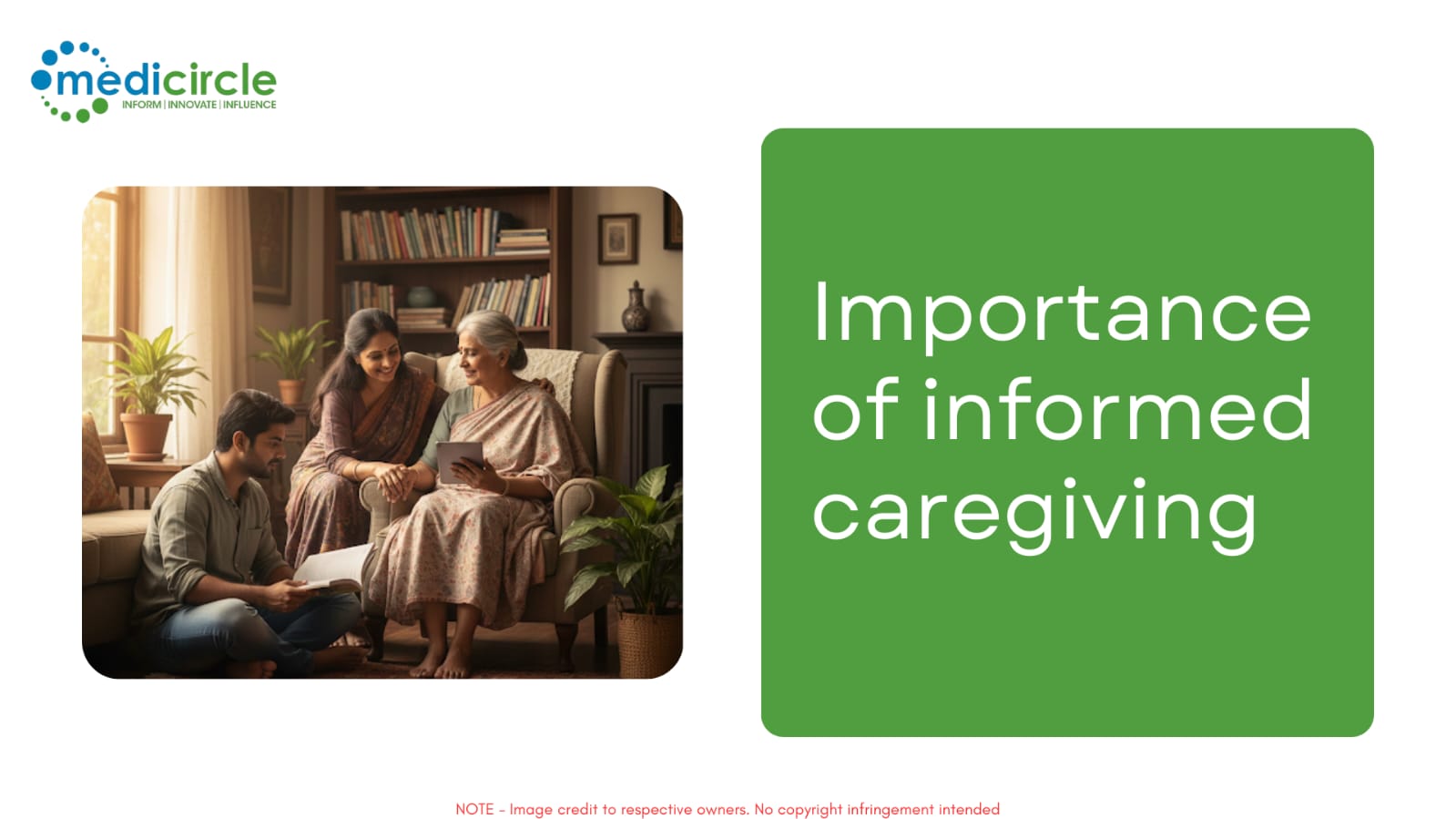
 Informed caregiving combines compassion with practical knowledge, empowering family caregivers to reduce stress, improve patient outcomes, and create safer, more confident home care through education, training, and community support.




Within countless Indian homes facing prolonged illness, a dedicated presence exists. These individuals do not wear official uniforms, yet their commitment remains unwavering. One might see a daughter carefully organizing morning medications. A son could be adjusting pillows for an ailing parent. A wife may patiently assist with therapy exercises. This group represents the vast and quiet force of family caregivers. They hold the fabric of home-based care together through love, and very often, through unspoken weariness.
For many generations, society simply expected this role as a natural extension of family duty. We now understand that love, while powerful, does not always suffice on its own. The true foundation of effective care combines that deep affection with practical knowledge. This important shift towards informed caregiving is actively changing lives across the country.
The Heavy and Hidden Load:
We must speak honestly about the reality. Caring for family is a deep-seated value within Indian culture. However, this noble responsibility carries a weight that people rarely discuss openly. This weight includes constant worry, physical strain from lifting and assisting, and mental fatigue from managing complex medical schedules alongside daily responsibilities.
Recent studies from institutions such as AIIMS Delhi highlight this burden. Their research indicates that a significant majority of family caregivers report experiencing this strain, with many facing chronic stress or persistent anxiety. Consider a fundamental question: how can someone provide care from an empty vessel? When a caregiver is stretched thin, balancing employment with numerous medical appointments, their personal health often declines. This situation does not only affect the caregiver. It impacts the person they are caring for as well. Missed medications, increased frustration, and a pervasive sense of helplessness can become common. This difficult cycle affects everyone involved.
Power of Practical Knowledge:
What solution can break this challenging cycle? The answer lies in accessible information. Caregivers need clear, reliable, and compassionate knowledge. Informed caregiving means moving from a state of constant reaction to a place of confident understanding and proactive support.
Consider a straightforward example. A man cares for his father who has diabetes. Without proper knowledge, he might focus only on administering insulin at the correct time. When he becomes truly informed, he learns to see the complete picture. He understands how a brief walk after dinner helps manage sugar levels. He recognizes the connection between stress and blood glucose spikes. He gains the ability to prepare meals that are both tasty and suitable for the condition. The nature of care transforms from a tense medical duty into a holistic and supportive daily routine.
For a woman helping her husband recover from major heart surgery, knowledge involves recognizing warning signs that require a doctor's immediate attention. It means learning safe methods to help him move, which prevents injury for both individuals. It also includes finding words of encouragement that genuinely lift his spirit during a difficult recovery period.
This transformation creates real change. Anxiety gradually loses its hold. Feelings of helplessness are replaced by a growing sense of capability. The home environment shifts away from fear and frustration toward dignity and active healing. Patients experience greater security, and caregivers operate with more control.
Pathway to Empowerment:
A crucial question follows. How can we deliver this essential knowledge to the people who need it most? The answer involves multiple approaches that work together toward a shared goal.
First, trusted guidance within the digital landscape is vital. The internet contains vast information but also widespread misinformation. Platforms that provide expert-reviewed and clear advice in local Indian languages are essential. They convert a confusing online search into a reliable and trustworthy conversation.
Second, accessible practical training makes a significant difference. A brief session at a local community health center can teach vital skills. Learning how to safely move a patient or manage a bed sore prevents serious physical strain and medical complications. This training is not about earning a formal degree. It is about mastering daily skills that can save and improve lives.
Another critically important element is community connection. Caregivers need to know they are not alone. Creating dedicated spaces, such as online forums or local support groups, allows people to share their challenges and solutions. Hearing another person say "I have faced that too" provides a form of emotional support that medicine cannot replicate.
Finally, caregiving must be a true partnership. Doctors and nurses provide vital clinical expertise, while the caregiver executes the daily plan continuously. When these two sides maintain open communication, the provided care becomes seamless and far more effective for the patient.
Moving Forward:
The caregiving path is a long road that requires sustained effort. To travel this road well, caregivers need more than good intentions. They require genuine support, practical tools, and reliable knowledge. This mission aligns closely with a commitment to connect families with credible and compassionate health information. The goal is to transform overwhelming duty into a feeling of empowered care.
Informed caregiving represents love amplified by understanding. This process turns a heavy burden into a manageable responsibility. This approach allows us to care for those who are unwell while also protecting the well-being of the people who provide that care. Empowering caregivers with knowledge nurtures healthier and more resilient families across the nation. Building such a future is a goal worth pursuing together.





-23-300x250.png)

.jpeg)



.jpg)
.jpg)
.jpg)
.jpg)
.jpg)
.jpg)
.jpg)
.jpg)
.jpg)

