Friday, October 23, 2026
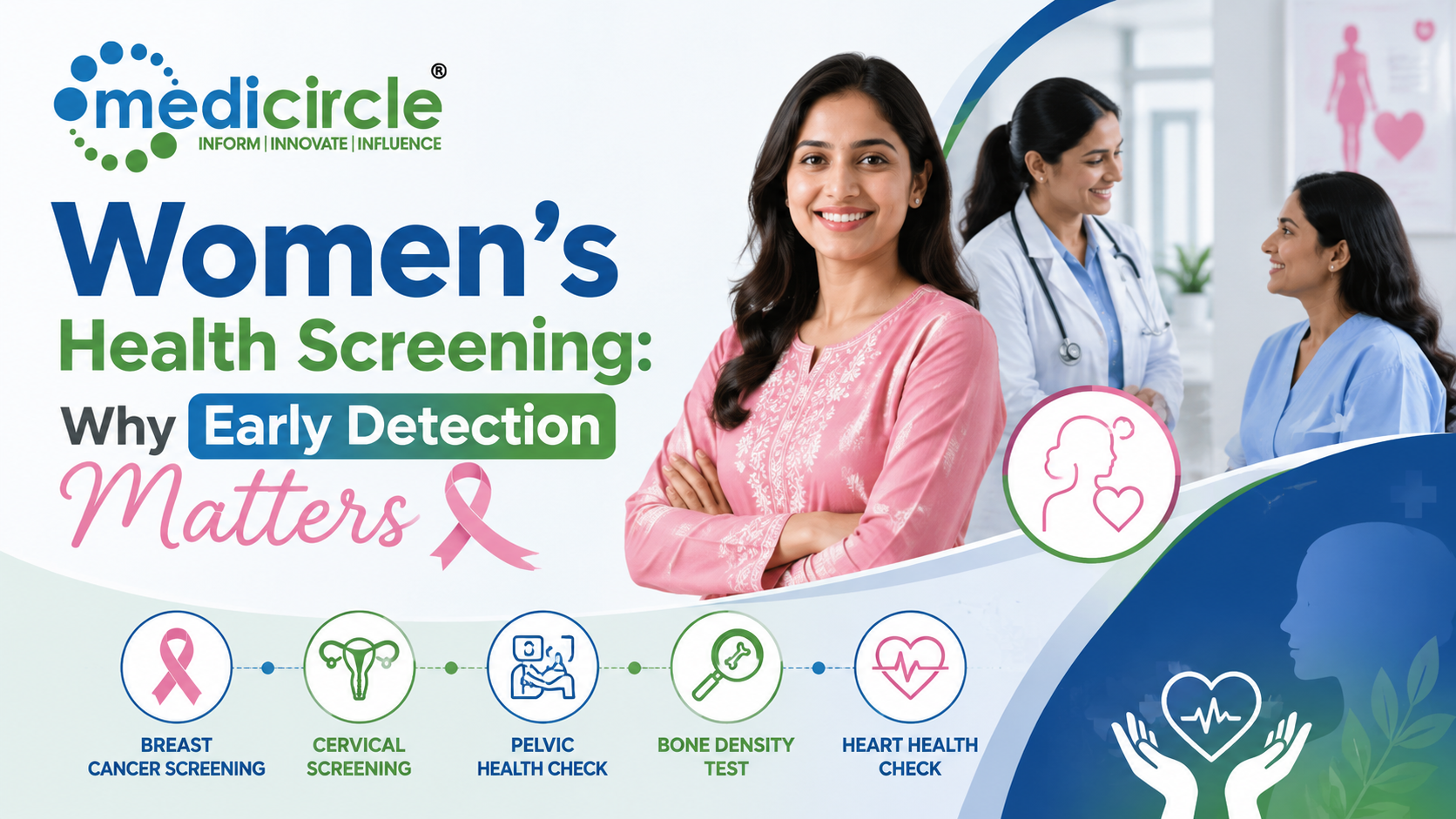
 Regular women's health screenings detect diseases early when treatment is most effective, enabling timely intervention and improved outcomes across reproductive, cardiovascular, bone, and cancer health throughout different life stages.





Introduction
Women's health screening represents one of the most powerful tools available in modern preventive medicine. In India, where the healthcare landscape is rapidly evolving and awareness around wellness is increasing, understanding the importance of regular health screenings can transform health outcomes and quality of life.
Many Indian women juggle multiple responsibilities, managing households, pursuing careers, and caring for family members, often at the expense of their own health. By the time symptoms appear, many serious health conditions have already advanced significantly. Health screenings change this narrative by detecting diseases early, when treatment is most effective and less invasive.
This article explores why women's health screening matters, which screenings are essential at different life stages, and how Indian women can take proactive steps toward lifelong wellness.
Understanding Women's Health Screening: The Foundation
Women's health screening refers to preventive medical tests and examinations designed to identify diseases or health risks before symptoms develop. These screenings form the cornerstone of preventive medicine, shifting focus from treating illness to maintaining wellness.
The female body undergoes unique physiological changes across different life stages. Hormonal fluctuations during menstruation, pregnancy, and menopause create specific health vulnerabilities. Additionally, women face certain health conditions, such as breast cancer, cervical cancer, and osteoporosis, at higher rates than men, making targeted screening essential.
Regular screenings serve multiple purposes. They detect silent diseases that progress without warning, identify risk factors before they become serious conditions, monitor existing health concerns, and enable early intervention when treatment success rates are highest. For Indian women, particularly those living in metro cities where lifestyle factors like pollution, stress, and irregular eating patterns are prevalent, screenings provide reassurance and actionable health data.
Why Women's Health Screening Matters: The Evidence
Early Detection Saves LivesThe most compelling reason for regular health screening is early detection. Conditions like breast cancer and cervical cancer, when caught in initial stages, have survival rates exceeding 90 percent. Once these cancers progress to advanced stages, survival rates drop significantly. Screening creates the window of opportunity for treatment before complications arise.
Research from the Indian Council of Medical Research (ICMR) indicates that cervical cancer incidence and mortality have declined significantly in countries with robust screening programs. In India, where cervical cancer remains a leading cause of cancer-related deaths in women, increased screening uptake could prevent thousands of deaths annually.
Prevention is More Cost-EffectivePreventive screening is substantially more affordable than treating advanced diseases. A mammogram or pap smear costs a fraction of chemotherapy, radiation, or surgical interventions. For many Indian families, the cost difference is profound. Early-stage cancer treatment may cost between 2 to 5 lakhs, while advanced-stage treatment can exceed 15 to 20 lakhs. Screening enables women to catch diseases at more manageable stages, reducing financial burden on families.
Understanding Changing Health Needs Across Life StagesWomen's health needs evolve significantly from adolescence through post-menopausal years. Hormonal changes, reproductive decisions, and age-related conditions require different screening approaches at different times. A 25-year-old woman's screening needs differ substantially from a 55-year-old woman's needs. Regular screenings, adjusted for age and risk factors, ensure comprehensive health monitoring throughout life.
Essential Women's Health Screenings Across Life Stages
Screening for Ages 18 to 39: The Foundation YearsAnnual Well-Woman Exam
Every woman between 18 and 39 should establish a relationship with a healthcare provider and attend annual wellness visits. During these exams, providers assess overall health, discuss lifestyle factors, and recommend screenings based on individual risk factors and medical history.
Cervical Cancer Screening (Pap Smear)
Cervical cancer screening should begin at age 21 for sexually active women. The Pap smear collects cells from the cervix to detect abnormalities that may lead to cancer. Initial screening typically occurs every three years. This simple test has transformed cervical cancer from a leading cause of cancer deaths to a largely preventable disease.
Blood Pressure Monitoring
Starting at age 20, women should have blood pressure checked at least every two years. Normal blood pressure is less than 120/80 mmHg. High blood pressure, or hypertension, often develops silently without symptoms, making regular monitoring essential. Hypertension is a major risk factor for heart disease and stroke.
Cholesterol and Lipid Panel
Women aged 20 and above should have a lipid panel every four to six years if risk factors are low. This blood test measures total cholesterol, LDL (bad cholesterol), HDL (good cholesterol), and triglycerides. High cholesterol contributes to cardiovascular disease, which is the leading cause of death among Indian women.
Mental Health Screening
Depression and anxiety are increasingly common among women of reproductive age. Regular discussions about mood, stress levels, and mental well-being should be part of every health check. Indian women often face unique stressors related to societal expectations, career pressures, and family responsibilities.
Screening for Ages 40 to 64: The Active YearsMammography for Breast Cancer Detection
The Indian Society of Breast Surgeons recommends breast cancer screening for women starting at age 40 to 45. Mammography, using X-ray technology, can detect breast cancers before they are palpable. Women should have mammograms annually or every two years, depending on density of breast tissue and risk factors. For women at high risk (family history of breast cancer), earlier and more frequent screening may be recommended.
HPV Testing (Human Papillomavirus)
Women aged 30 and above can undergo HPV testing, which detects the virus responsible for most cervical cancers. HPV testing can be done alone or combined with a Pap smear. The Indian government's cervical cancer screening guidelines increasingly include HPV testing as part of comprehensive screening protocols.
Blood Sugar Screening
Women aged 45 and older should be screened for diabetes and prediabetes every three years. Women with risk factors, including obesity, family history of diabetes, or a diagnosis of polycystic ovary syndrome (PCOS), should be screened earlier and more frequently. Diabetes is a major risk factor for heart disease, kidney disease, and various complications specific to women.
Bone Density Screening (DEXA Scan)
Women aged 65 and older should undergo bone density screening to detect osteoporosis. Younger postmenopausal women and those with risk factors (family history, low body weight, or long-term steroid use) may benefit from earlier screening. Osteoporosis silently weakens bones, and fractures can significantly impact independence and quality of life.
Colorectal Cancer Screening
Beginning at age 45, women should start colorectal cancer screening through colonoscopy, sigmoidoscopy, or stool-based tests. These screenings can detect polyps that may become cancerous and remove them before they progress. Colorectal cancer is the third most common cancer in Indian women.
Thyroid Function Tests
Many Indian women develop thyroid disorders, particularly hypothyroidism. Women should discuss thyroid screening with their healthcare provider, especially if experiencing symptoms like fatigue, weight changes, or cold sensitivity. Thyroid dysfunction can significantly impact metabolism, mood, and overall well-being.
Screening for Women Aged 65 and Older: Maintaining WellnessAnnual Comprehensive Exams: Women aged 65 and older should continue annual well-woman exams that assess overall health, medication review, and age-specific concerns.
Continued Cancer Screenings: Cervical cancer screening may be discontinued after age 65 if previous screening results were normal. Mammograms should continue every one to two years. Colorectal cancer screening continues until age 75 or based on individual health status.
Cognitive Screening: Dementia and cognitive decline become more common with age. Regular cognitive assessments can help detect early cognitive changes and enable interventions that may slow progression.
Vision and Hearing Checks: Annual eye exams become increasingly important to screen for age-related conditions like cataracts, glaucoma, and macular degeneration. Hearing tests should also be part of regular health assessments.
Risk Assessment: When Additional Screening is Needed
Family History and Genetic FactorsWomen with family histories of cancer, heart disease, or other serious conditions may need earlier or more frequent screening. Genetic testing may be recommended for women with strong family histories of breast or ovarian cancer.
Lifestyle Risk FactorsSmoking, excessive alcohol consumption, obesity, sedentary lifestyle, and poor dietary habits increase disease risk. Women with these risk factors benefit from more frequent screening and intensive lifestyle counseling.
Reproductive and Hormonal FactorsWomen with PCOS face increased diabetes and metabolic syndrome risks. Those with a history of gestational diabetes should be screened for type 2 diabetes regularly. Women on hormone replacement therapy should discuss ongoing screening needs with their healthcare provider.
Occupational and Environmental ExposuresCertain occupations or environmental exposures may increase disease risk. Regular screening helps monitor for occupational-related health issues.
The Screening Process: What to Expect
Preparing for Your Screening AppointmentTo maximize the value of health screenings, women should:
- Compile a list of current medications and supplements
- Note any family health history of major diseases
- Document symptoms or health concerns since the last visit
- Write down questions or topics to discuss
- Schedule appointments when convenient to attend without rushing
Most screenings are non-invasive and relatively quick. A pap smear takes minutes. Blood tests involve a single needle stick. Mammograms require brief breast compression. Healthcare providers should explain procedures, address concerns, and ensure comfort throughout the process.
After Screening: Understanding ResultsResults should be discussed with the healthcare provider. Normal results mean continued health, but regular screening should continue as recommended. Abnormal results do not necessarily indicate disease; many abnormal findings are benign or highly treatable. Providers should explain what abnormal results mean and recommend appropriate follow-up.
Addressing Barriers to Screening in India
Access and AffordabilityMany Indian women face barriers to screening, including limited access to healthcare facilities, cost concerns, and time constraints. The Ayushman Bharat scheme and various state health programs have expanded screening access, but awareness and utilization remain challenges.
Cultural and Social FactorsSome women hesitate to seek screening due to embarrassment, cultural beliefs, or lack of female healthcare providers. Addressing these concerns requires community education and increasing availability of female healthcare professionals.
Health LiteracyMany women lack understanding of why screenings matter or which tests they need. Healthcare providers and public health campaigns must improve health literacy around preventive care.
Awareness GapsDespite advances in healthcare technology, many Indian women remain unaware of available screening options or their benefits. Medicircle and similar platforms play crucial roles in improving awareness and accessibility of health information.
Making Screening a Habit: Building a Preventive Care Strategy
Create a Screening TimelineWomen should work with their healthcare provider to establish a personalized screening timeline based on age, health history, and risk factors. Written schedules or phone reminders help ensure screenings are not missed.
Choose the Right Healthcare ProviderSelecting a healthcare provider who takes time to discuss health concerns, explains screening recommendations, and respects patient preferences is essential. A good provider-patient relationship facilitates regular screening and comprehensive care.
Combine Screening with Healthy Lifestyle ChoicesScreenings are most effective when combined with healthy lifestyle choices. Regular exercise, balanced diet (incorporating traditional Indian foods while minimizing processed items), stress management, and adequate sleep complement screening efforts and reduce disease risk.
Leverage Technology and Health ProgramsIndia's digital health initiatives, including telemedicine through ABDM (Ayushman Bharat Digital Mission), make healthcare more accessible. Women can now schedule screenings online, consult with specialists remotely, and access health records digitally.
Involve Family in Health ConversationsDiscussing health screening with family members helps normalize preventive care and may encourage others to seek screening as well. Cultural beliefs that prioritize family health over individual needs can be redirected to support screening participation.
The Role of Healthcare Providers in Promoting Screening
Healthcare providers serve as crucial advocates for preventive care. They should:
- Explain screening recommendations clearly and discuss individual risk factors
- Address concerns and misconceptions about screenings
- Provide resources and referrals for screening services
- Follow up on screening results and discuss next steps
- Create supportive, non-judgmental environments where women feel comfortable discussing health concerns
Medicircle connects women with qualified healthcare providers who can offer expert guidance on appropriate screening timelines and address individual health concerns based on personal and family history.
Conclusion: Taking Charge of Your Health
Women's health screening represents an investment in longevity, quality of life, and well-being. In India, where healthcare challenges persist alongside remarkable advances in medical technology, preventive screening offers a path toward healthier futures for millions of women.
The importance of health screening extends beyond individual women to families and communities. When women prioritize their health through regular screenings, they model the value of preventive care for their families, contribute to economic productivity, and reduce burden on healthcare systems.
Every woman deserves access to reliable health information and quality preventive care. By understanding the importance of screening, knowing which tests are appropriate for your age and risk factors, and taking action to schedule regular screenings, you reclaim agency over your health journey. The simple act of attending regular health check-ups can mean the difference between catching a disease early and managing a serious health crisis. Start today, discuss your screening needs with a healthcare provider, create your personalized screening plan, and commit to the preventive care that your health deserves.
Frequently Asked Questions
Q1: Why are health screenings important for women?
Health screenings detect diseases before symptoms appear, when treatment is most effective. Many serious conditions, including breast cancer, cervical cancer, diabetes, and heart disease, develop silently without noticeable symptoms. Early detection through screening enables timely intervention, improves treatment outcomes, and significantly increases survival rates. For Indian women, screenings also help identify risk factors related to lifestyle, family history, and hormonal changes, enabling personalized preventive strategies.
Q2: What age should women start health screenings?
Women should begin preventive health screenings from age 18 to 21, depending on the type of screening. Annual well-woman exams should start by age 21, and cervical cancer screening (Pap smear) begins at age 21 for sexually active women. Blood pressure monitoring should start at age 20, and cholesterol screening at age 20. As women age, additional screenings are added based on risk factors and age guidelines. It is never too early to establish preventive care habits.
Q3: Which health screenings are most important for women?
Essential screenings include pap smear and HPV testing for cervical cancer detection (age 21 to 65), mammography for breast cancer screening (age 40 to 45 onward), blood pressure monitoring (annual from age 20), cholesterol and lipid panels (every 4 to 6 years from age 20), blood glucose testing for diabetes screening (every 3 years from age 45), and bone density scans for osteoporosis screening (age 65 and older). Mental health screenings and colorectal cancer screening are also important for women in midlife and older years.
Q4: How often should women get health screenings?
Screening frequency depends on age, health status, and risk factors. Annual well-woman exams are recommended for all women. Pap smears occur every 3 years (or every 5 years if combined with HPV testing). Mammograms are annual or every 2 years depending on age and breast density. Blood pressure should be checked every 2 years if normal. Blood glucose screening occurs every 3 years starting at age 45. Bone density scans are performed once for women aged 65 and older, or earlier if risk factors exist. Discuss personalized screening schedules with your healthcare provider.
Q5: Can health screenings prevent diseases in women?
While screenings do not prevent disease development, they enable early detection when diseases are most treatable. Early intervention through screening can prevent progression to advanced stages, avoid complications, reduce treatment intensity and side effects, improve survival rates dramatically, and lower overall healthcare costs. Some screenings, like cervical cancer screening, have actually prevented disease by enabling removal of precancerous cells before they become cancerous. Combined with healthy lifestyle choices, regular screening provides powerful disease prevention through early intervention.
Resources
- Indian Council of Medical Research (ICMR): Provides evidence-based guidelines on cervical cancer screening and women's health standards for India. Website: icmr.gov.in
- Ministry of Health and Family Welfare (MOHFW): Government body overseeing national health policies including Ayushman Bharat and cervical cancer screening programs. Website: mohfw.gov.in
- World Health Organization (WHO), India Country Office: Offers international guidelines and recommendations for women's health screening and preventive care. Website: who.int
- National Institute for Health and Care Excellence (NICE): Provides evidence-based clinical guidelines on breast cancer screening, cervical cancer screening, and other preventive health measures applicable to Indian healthcare settings. Website: nice.org.uk
- PubMed Central (National Institutes of Health): Repository of peer-reviewed medical research on women's health screening outcomes and effectiveness. Website: pubmed.ncbi.nlm.nih.gov
Interlinking Keywords
Women's health, cervical cancer screening, breast cancer screening, mammogram, pap smear test, HPV testing, preventive healthcare, health checkup, blood pressure monitoring, cholesterol screening, diabetes screening, bone density scan, osteoporosis, cardiovascular health, women's preventive care, well-woman exam, reproductive health screening, mental health screening, colorectal cancer screening
Last medically reviewed by:
Medicircle Medical Advisory Team, on July 22, 2026
Medical Disclaimer
This article is for informational purposes only and should not be considered medical advice. The information provided is based on current clinical guidelines and evidence-based research but may not apply to all individuals. Women's health screening recommendations vary based on age, health status, family history, risk factors, and individual circumstances.




-23-300x250.png)

.jpeg)
.jpg)
.jpg)
.jpg)
.jpg)
.jpg)
.jpg)
.jpg)
.jpg)
.jpg)