 Thursday, October 08, 2026
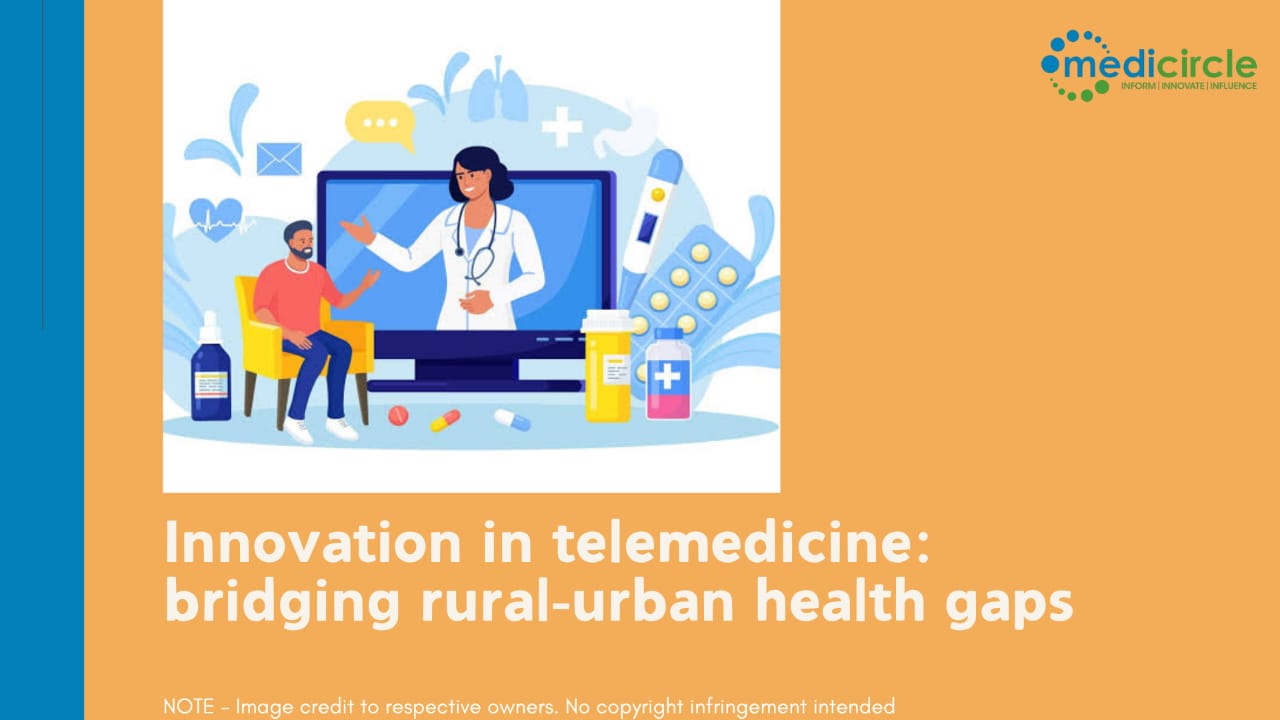
 Telemedicine is bridging India’s rural-urban healthcare gap by combining connectivity, smart tools and government initiatives to make quality healthcare accessible, affordable and continuous for every citizen.




For as long as anyone can remember, India has lived with two different healthcare realities. In the cities, you find towering hospitals with the latest technology and top specialists. But venture into the vast rural heartland and the picture changes. Here, accessing a simple doctor's consultation can mean losing a day's wages and traveling for hours.
This gap between urban and rural healthcare is more than just a matter of distance. It is about the uneven spread of resources, doctors and infrastructure. But a powerful change is taking root. A digital revolution, quietly gaining strength is starting to connect these two worlds. At the heart of this change is telemedicine and it is slowly but surely rewriting the rules of who gets quality care in India.
Bridging the gap:
Telemedicine is no longer a futuristic idea. It has become a practical, life-changing solution for millions. Let us look at the key technologies making this possible.
Remote care in action:
Imagine a patient with high blood pressure in a village. Instead of monthly trips to a city clinic, they now use a simple device at home to check their pressure. This reading travels instantly to their doctor. This is Remote Patient Monitoring (RPM) in action. For the elderly and those with long-term conditions like diabetes or heart issues, this technology is a guardian angel. It allows doctors to spot potential problems early and adjust treatments without the patient ever leaving their community. It is a shift from reactive care to proactive, continuous health management.
AI lends a hand:
You might hear Artificial Intelligence and think of robots. In telemedicine, however AI acts more like a highly skilled assistant. It helps doctors analyze complex medical images like X-rays or CT scans, often spotting subtle patterns with impressive accuracy. For a general practitioner in a remote clinic, this is like having a specialist looking over their shoulder. It boosts their confidence and ensures patients get a higher standard of diagnosis, right where they are. These smart systems can also analyze data to predict health risks, allowing for early action before a condition becomes serious.
Strength in connectivity:
None of this would be possible without the invisible lifeline of connectivity. The rapid spread of 4G and the ongoing rollout of 5G networks across India have been true game-changers. They have erased the frustrating delays and poor video quality that once plagued remote consultations. Now, a high-definition video call between a patient in a village and a doctor in a metro city can feel almost like a face to face meeting. This robust network makes real-time transmission of health data possible, ensuring that even in emergencies, distance is no longer a death sentence.
From policy to people:
India has not just adopted telemedicine; it has embraced it on a massive scale.
India’s digital health drive:
The government has played a pivotal role in this transformation. The eSanjeevani platform, for instance, has provided hundreds of millions of free consultations. This is not just a number; it represents millions of saved journeys, millions of workdays not lost and millions of people receiving timely care.
Adding to this is the Ayushman Bharat Digital Mission (ABDM). By creating a secure digital health identity (ABHA ID) for crores of Indians, it ensures that a patient's medical history can be accessed safely by authorized doctors anywhere. This means your health story travels with you, making every remote consultation more informed and effective.
Specialized care for all:
The true power of telemedicine shines when it delivers specialized care to doorsteps.
Mental wellness: In a country where mental health was often ignored and services in rural areas were nonexistent, tele psychiatry has been a breakthrough. Initiatives like Tele-MANAS offer a private, accessible way for people to seek help, breaking down walls of stigma and isolation.
Emergency neurology: In cases of stroke, where every minute counts, tele stroke services allow rural hospitals to connect with neurologists in urban centers instantly. This has dramatically improved outcomes and reduced the need for risky, long-distance patient transfers, keeping families together during a crisis.
Managing chronic diseases: With India often called the diabetes capital of the world, continuous care is essential. Telemedicine platforms help patients manage conditions like diabetes through remote monitoring and regular virtual follow-ups, making healthcare a part of their daily life, not just a periodic visit.
The roadblocks:
Of course, the journey is not without its challenges. For telemedicine to truly become universal, we must address a few key hurdles.
Humanizing digital care: Many in rural India are still not comfortable with digital apps. The fear of complex technology and concerns about privacy are real. Success often comes from blending the digital with the human, where a community health worker helps set up a video call, making the process less intimidating.
Closing the infrastructure gap: While 5G is expanding, many villages still suffer from unreliable internet. A dropped call during a medical consultation can be more than just frustrating, it can be dangerous. We also cannot ignore the cost of setting up these digital systems for small clinics and hospitals.
More healthy future:
So, where does this leave us? Telemedicine is not here to replace doctors or clinics. Instead, it is evolving into a vital partner. The future of Indian healthcare lies in a smart hybrid model, a thoughtful blend of virtual check-ins and in-person visits when necessary.
It is about creating a system where technology handles the distance, but the human touch remains at the core of healing. This convergence of connectivity, intelligent tools and compassionate care promises a future where your health is not dictated by your pin code. It is a future where quality healthcare is a right, not a privilege of location. And that is a future worth striving for, together.






.jpeg)










.jpg)
.jpg)
.jpg)
.jpg)
.jpg)
.jpg)


.jpg)