Tuesday, October 27, 2026
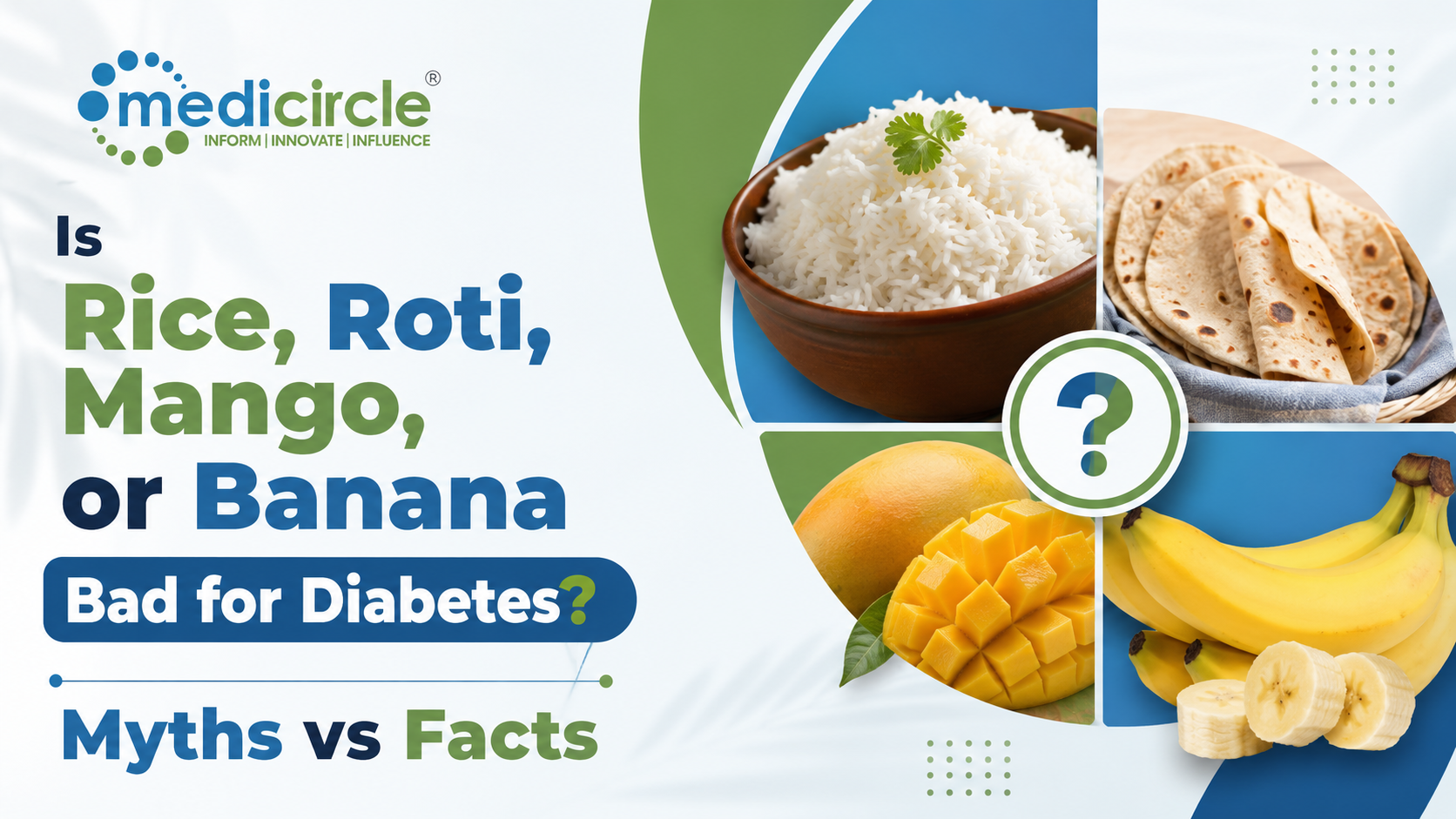
 Mangoes, white rice, wheat rotis, and bananas do not need to be eliminated from a diabetes diet. Managing blood sugar successfully depends on portion control, fruit ripeness, and smart food pairings.




Is Rice, Roti, Mango, or Banana Bad for Diabetes? Myths vs Facts
When an individual in an Indian household receives a diagnosis of high blood sugar, the kitchen routine usually changes overnight. The immediate instinct is almost always to remove familiar comfort foods such as white rice, wheat rotis, sweet mangoes, and bananas. Because food is deeply connected to daily joy, these sudden restrictions can create a significant amount of stress. Many families rush to find a rigid diabetic food chart or a strict diet plan for diabetic patients to figure out how to control diabetes naturally.
However, managing diabetes successfully does not require a person to remove traditional dishes completely from the dinner plate. Total deprivation rarely works over a long period, and it often leads to nutritional deficiencies or frustration. Instead, the real secret to stable blood sugar lies in understanding metabolic science, controlling meal portions, and learning how to balance ingredients. By looking closely at how the body processes everyday items, individuals can replace anxiety with practical, real world balance. Building a sustainable Indian diabetic diet chart is about modification rather than complete elimination.
Mangoes and Blood Sugar
Mangoes are a major highlight of the summer season, yet they are frequently treated as forbidden items for anyone watching glucose levels. Many people believe that the intense sweetness of a mango guarantees an immediate, dangerous spike in blood sugar. Because of this fear, mangoes are rarely included in a standard diet plan for diabetic patients.
From a medical perspective, the situation is actually encouraging. While mangoes naturally contain fructose, they possess a moderate Glycemic Index rating between 51 and 56. Any food with a rating below 55 is classified as a low option, which means it breaks down and enters the bloodstream at a gradual pace. Therefore, mangoes are not the absolute enemy of diabetes control that popular myths suggest.
Additionally, fresh mangoes are packed with dietary fiber, vital vitamins, and unique antioxidants like mangiferin that help fight inflammation. The fiber inside the fruit acts as a natural speed bump, slowing down digestion and sugar absorption. Problems generally arise only when mangoes are consumed as juices or milkshakes because the protective fiber is stripped away during preparation. Enjoying a few fresh slices as a daytime snack is perfectly safe for most individuals, making it one of the best fruits for diabetic patients when eaten mindfully.
White Rice in Meals
White rice faces a large amount of negative criticism as a primary driver of blood sugar fluctuations. Because it is a daily staple for millions of people, being told to avoid it completely can be highly discouraging. Many individuals look for a specialized Indian diet chart for diabetic patients specifically to find alternatives to their daily bowl of rice.
The concern with white rice relates directly to processing methods. Industrial milling removes the nutrient dense outer bran and germ layers, leaving behind the starchy inner core. This gives standard hot white rice a high glycemic index, typically sitting between 70 and 73, which can cause rapid glucose increases if eaten in large, isolated quantities.
Fortunately, the way you construct your plate can alter how the body processes carbohydrates. In a classic Indian meal, rice is rarely eaten by itself because it is accompanied by fiber rich lentils, leafy vegetables, curd, or lean proteins. Mixing high index rice with these proteins and healthy fats lowers the overall glycemic load of the entire meal. Furthermore, allowing your rice to cool down slightly before eating increases resistant starch and slows down overall digestion. This simple trick is highly effective for blood sugar control without giving up your favorite staple.
H2: Wheat Rotis and Glucose
Many people switch entirely from rice to wheat rotis, assuming they can eat large quantities without any consequence. It can be a surprise when blood sugar readings remain high despite completely avoiding rice dishes. When standard wheat options fail, patients often look deeper into a comprehensive diabetic food chart to identify hidden carbohydrate triggers.
The reality is that modern, finely packaged wheat flour is highly processed, losing much of its organic fiber during manufacturing. A standard whole wheat roti has a moderate to high rating, sitting around 62 to 65. Eating multiple large rotis during a single meal creates a heavy carbohydrate load that can easily cause blood sugar levels to climb.
To make your rotis friendlier for your metabolism, you can upgrade your flour blend. Mixing your standard wheat flour with high fiber grains like ragi, bajra, oats, or chickpea flour creates a highly nutritious option. This simple adjustment is a cornerstone of an effective Indian diabetic diet chart. It lowers the glycemic index of your rotis, introduces more protein, and keeps you feeling satisfied for a longer duration.
Bananas and Blood Sugar
Bananas are an exceptionally convenient snack because they are affordable, portable, and loaded with essential nutrients like potassium and magnesium. Yet, they are frequently avoided due to their carbohydrate content, causing people to leave them completely out of their diabetes diet chart.
The impact of a banana on your glucose levels depends heavily on the stage of ripeness. A firm, slightly green banana is packed with resistant starch, which behaves much like dietary fiber. It resists rapid breakdown in your digestive system, leading to a slow, steady release of energy. As the fruit ripens and develops brown spots, that starch converts into simple sugars, causing the rating to rise from a low 42 to a moderate 58.
Managing bananas simply comes down to scale and pairing. Choosing a small, firm banana rather than a large, overripe fruit prevents sudden blood sugar surges. For even better results, you can pair your banana with a small handful of walnuts or almonds to introduce healthy fats. This method provides excellent blood sugar control while still allowing you to enjoy a convenient, nutrient dense snack.
Index Versus Load
To master your daily diet, it helps to understand the difference between Glycemic Index and Glycemic Load. The index simply tells you how fast a carbohydrate turns into sugar, but the load tells you the actual real world impact based on a normal serving size. This distinction is vital when learning how to control diabetes through food choices.
Serving Size Power
A specific food might have a higher glycemic index on paper, but if you only eat a small amount of it, the actual glycemic load remains low. This means you do not have to live a life completely devoid of your favorite items, provided you keep an eye on the volume. Understanding this concept helps you pick the best foods for diabetes control without feeling restricted.
Food Combinations
Your body responds to the total glycemic load of your entire plate rather than one single ingredient. Pairing your carbohydrates with proteins, healthy fats, and rich dietary fibers slows down your stomach emptying process. This scientific approach lets you enjoy moderate portions of rice or roti without causing erratic, stressful shifts in your daily numbers, making your diet plan for diabetic patients highly effective.
Strategies for Daily Eating
You do not need to alter your entire lifestyle to keep your blood sugar in check. Subtle, smart adjustments can make a wonderful difference in your health and enhance your diabetes control strategy.
- Re-engineer Your Plate: Use smaller bowls and plates to naturally keep your carbohydrate portions reasonable.
- Change Eating Order: Eat your fiber rich salads and proteins first, saving the rice or rotis for the final part of the meal.
- Embrace Alternative Grains: Try unpolished red rice, brown rice, or multi grain flours to easily increase your daily fiber intake within your diabetic food chart.
- Take Post-Meal Walks: A casual fifteen minute walk after lunch or dinner helps your muscles naturally absorb and burn off circulating glucose.
Frequently Asked Questions
Can someone with diabetes eat a mango every day?
Eating a mango every single day is generally not advised if your blood sugar is currently fluctuating. However, if your levels are stable, enjoying half a fresh mango a few times a week as a standalone morning snack is acceptable within a balanced diabetes diet chart.
Is brown rice genuinely superior to white rice?
Yes, because brown rice retains its natural outer layer, providing significantly more fiber, minerals, and vitamins. While it still contains carbohydrates, the extra fiber ensures a much gentler, slower release of sugar into your bloodstream, making it ideal for blood sugar control.
Should I stop eating wheat rotis and switch entirely to millets?
Switching to millets like jowar, bajra, or ragi is an excellent choice for an Indian diet chart for diabetic patients due to their lower index and high nutrient profile. However, remember that millets still contain carbohydrates, so keeping an eye on portion sizes remains necessary.
Summary
No single ingredient is an absolute villain for your blood sugar because what truly matters is your overall dietary pattern, how your food is cooked, and how much of it you consume. Mangoes, white rice, wheat rotis, and bananas all bring distinct health benefits to the table. Cutting them out completely often causes unnecessary culinary stress and is difficult to sustain over time. By focusing on smart food pairings, watching your portion sizes, and staying physically active, you can successfully manage your diabetes while still enjoying the rich flavors of traditional Indian cooking. Because every individual body responds differently, it is always best to collaborate with a certified physician or a registered dietitian to build a personalized Indian diabetic diet chart that fits your specific health needs.





-23-300x250.png)

.jpeg)






.jpg)
.jpg)
.jpg)
.jpg)
.jpg)
.jpg)
.jpg)
.jpg)
.jpg)