Magnesium-rich foods that every diabetic should include in their daily diet

▴ Dr. Aravinda S N, Lead Consultant - Internal Medicine, Aster RV Hospital, Bangalore
Magnesium is an essential mineral that plays a key role in blood sugar regulation, insulin function, nerve health, and muscle function.


Magnesium is an essential mineral that plays a key role in blood sugar regulation, insulin function, nerve health, and muscle function. Research suggests that people with diabetes are more likely to have low magnesium levels, making it important to include magnesium-rich foods in their daily diet.

Some of the best sources of magnesium include leafy green vegetables such as spinach, amaranth leaves, and kale. Nuts and seeds, particularly almonds, cashews, pumpkin seeds, chia seeds, and flaxseeds, are also excellent choices. Legumes such as black beans, chickpeas, lentils, and kidney beans provide magnesium along with fiber, which helps support stable blood sugar levels.

Whole grains like oats, quinoa, and brown rice can contribute to magnesium intake when consumed in appropriate portions. Fatty fish such as salmon and mackerel, as well as avocados, are additional sources that offer heart-healthy benefits. Dark chocolate with a high cocoa content can also provide magnesium, though it should be consumed in moderation.

While magnesium-rich foods can support overall metabolic health, they should not replace prescribed diabetes treatment. A balanced diet that includes a variety of these foods, along with regular physical activity and medical care, can help individuals with diabetes maintain better overall health and support healthy blood sugar management.


Tags : #

About the Author


Team Medicircle

Related Stories

Loading Please wait...

-Advertisements-


Trending Now

Childhood Nutrition: Understanding Micronutrient Gaps Beyond CaloriesNovember 16, 2026
Anaemia in Adolescent Girls: Connecting Prevention, Testing and Nutrition SupportNovember 16, 2026
Health Information Exchanges in India: Are Medical Records Finally Going Portable?November 16, 2026
Hospital Accreditation in 2026: What Is Changing Beyond the Checklist?November 16, 2026
Digital Insurance Platforms and India's Health Coverage FutureNovember 14, 2026
ABDM 2.0: India's Digital Health Ecosystem FutureNovember 14, 2026
Vaccine Cold-Chain Management: Protecting Immunisation Quality From Storage to DeliveryNovember 14, 2026
Foodborne Illness Surveillance: How Public Health Systems Track RisksNovember 14, 2026
Interoperability in Indian Healthcare: Why Patient Data Still StrugglesNovember 13, 2026
Tuberculosis Contact Screening: How Preventive Care Works Around ExposureNovember 13, 2026
COPD Care in India: Linking Diagnosis, Inhaler Education and Follow-UpNovember 13, 2026
Management of ANCA Glomerulonephritis: Induction & Maintenance ProtocolsNovember 12, 2026
Smart Hospital Command Centres Transforming IndiaNovember 12, 2026
Gamma Knife Surgery in India: What You Need to KnowNovember 12, 2026
Fatty Liver Disease: Connecting Metabolic Health With Liver CareNovember 12, 2026
Chronic Kidney Disease: Understanding Risk Assessment and Early MonitoringNovember 12, 2026
Advanced OCTA Diagnostics in Age-Related Macular Degeneration (AMD)November 11, 2026
Advanced Diagnostics in Age-Related Macular Degeneration (AMD): Optical Coherence Tomography Angiography (OCTA)November 11, 2026
PCOS Care in India: Understanding Diagnosis and Long-Term MonitoringNovember 11, 2026
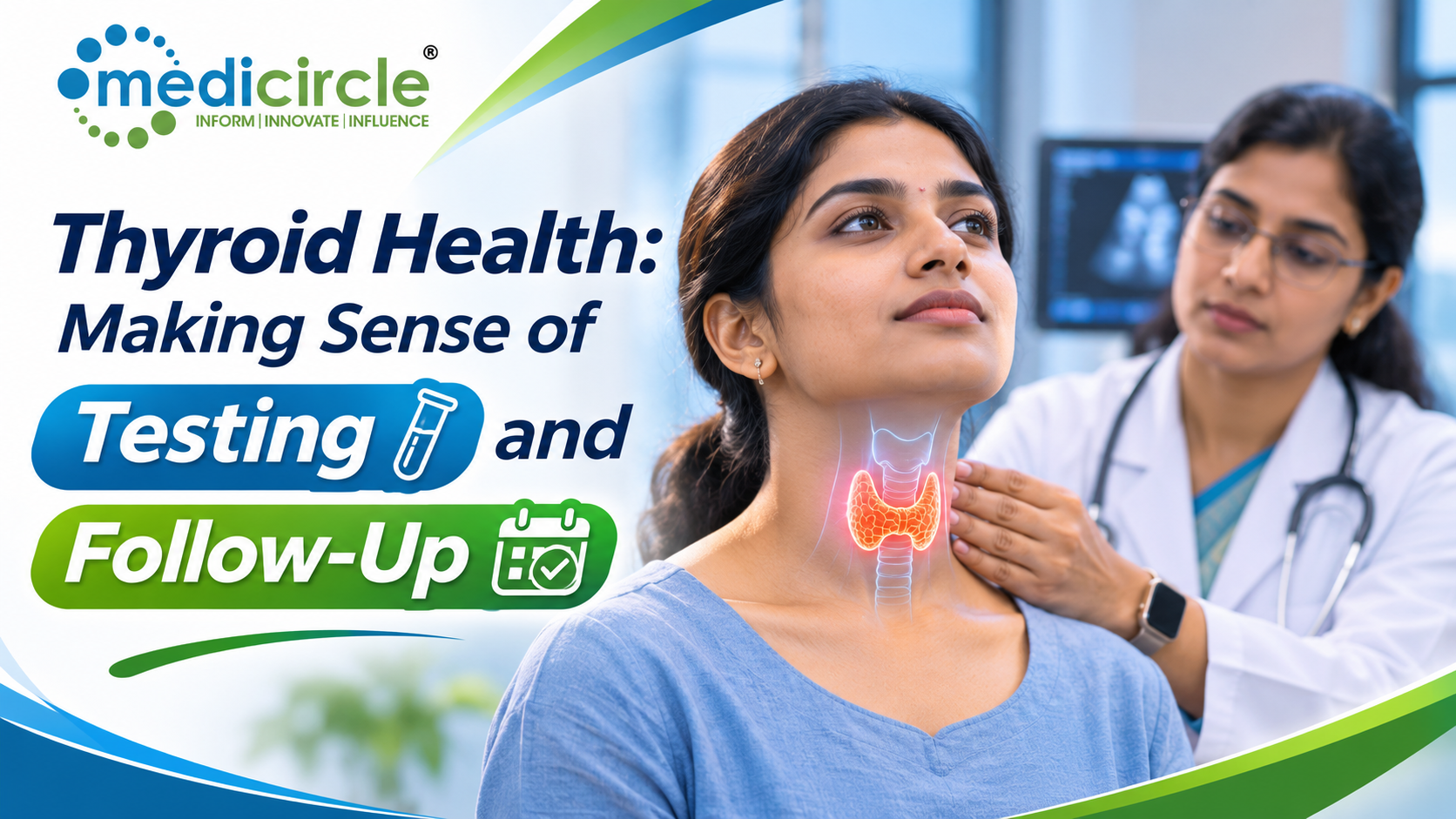
Thyroid Health: Making Sense of Testing and Follow-UpNovember 11, 2026