Friday, October 23, 2026
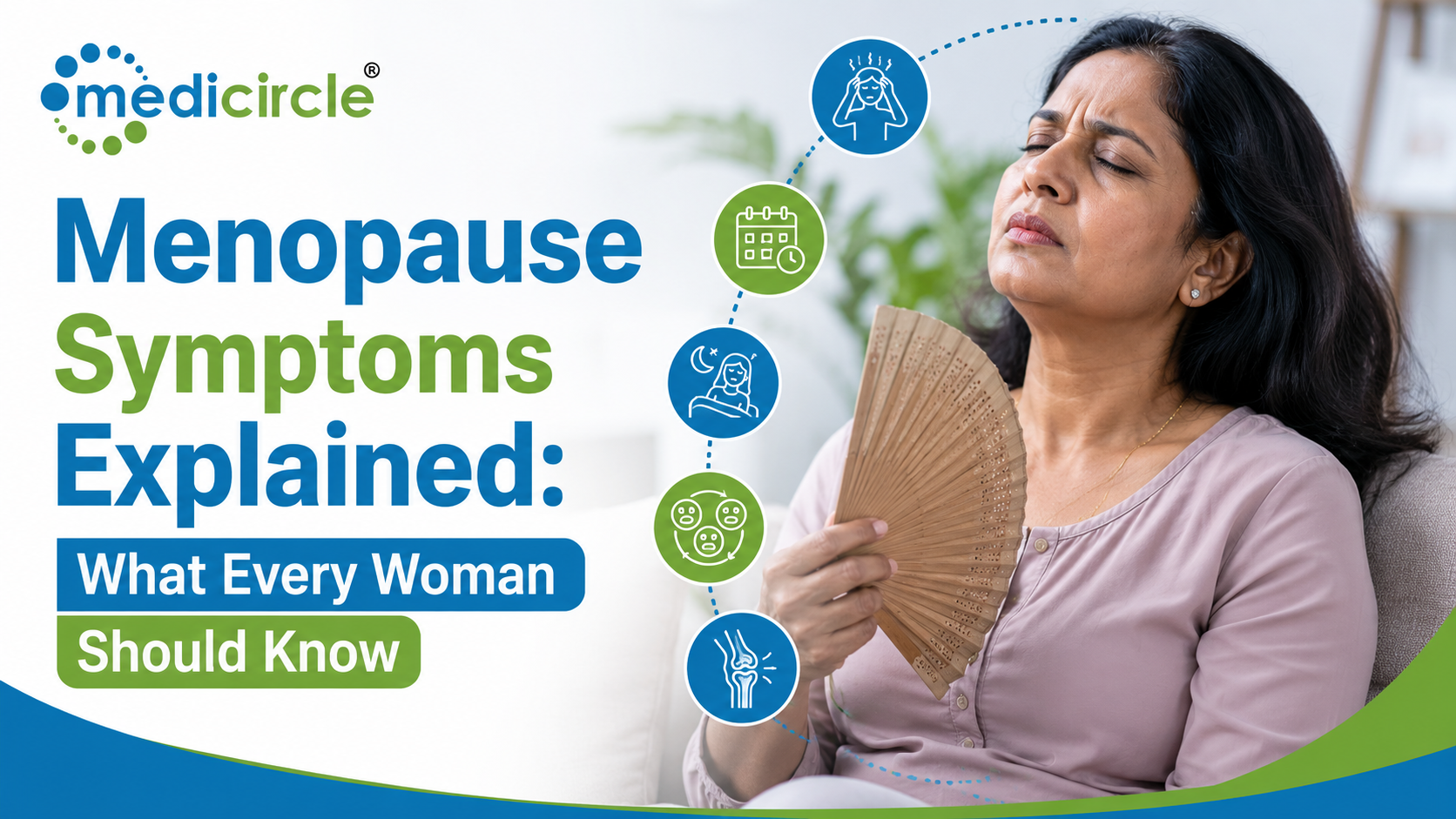
 Menopause marks the end of menstrual cycles in women, typically earlier in India. This article covers symptoms, causes, diagnosis, treatment options, and proactive health management strategies.





Introduction
Menopause is one of the most significant biological transitions in a woman's life, yet it remains one of the least discussed health topics in Indian households. For decades, the subject has been surrounded by silence, social taboo, or simple dismissal as a phase that women must simply endure. The reality, however, is far more complex and far more important than this silence suggests.
Menopause is the permanent cessation of menstrual cycles, confirmed after a woman has gone twelve consecutive months without a period. It is not a disease, a disorder, or a sign of decline. It is a natural hormonal transition. But the symptoms that accompany this transition can range from mildly inconvenient to significantly disruptive, affecting a woman's physical health, mental well-being, professional performance, and personal relationships.
What makes this conversation especially important in the Indian context is that Indian women, on average, reach menopause earlier than their counterparts in Western countries. Research published in the Journal of Midlife Health indicates that the average age of natural menopause in India is approximately 46 to 47 years, compared to the global average of 51 years. With India's rapidly aging female population and increasing awareness of women's health, understanding menopause symptoms clearly and comprehensively is no longer optional. It is essential.
This article offers a thorough, evidence-based guide to menopause, covering its stages, causes, symptoms, diagnosis, treatment, and management, with a focus on what Indian women need to know.
Understanding Menopause: Stages and What Happens in the Body
Menopause does not arrive suddenly. It unfolds gradually across three distinct stages, each with its own characteristics.
Perimenopause is the menopausal transition phase and can begin anywhere from two to ten years before actual menopause. During this period, the ovaries begin producing declining amounts of estrogen and progesterone. Menstrual cycles become irregular, and many of the classic menopause symptoms first appear at this stage. Women in their early to mid-40s may already be experiencing perimenopause without realising it.
Menopause itself is confirmed when a woman has not had a menstrual period for twelve consecutive months. At this point, the ovaries have significantly reduced their production of reproductive hormones, and the body undergoes a fundamental hormonal shift.
Postmenopause refers to the years following menopause and continues for the rest of a woman's life. While most symptoms tend to ease during postmenopause, the reduction in estrogen levels continues to affect bone density, cardiovascular health, and other physiological functions over the long term.
The central driver behind menopause symptoms is the dramatic reduction in estrogen and progesterone. Estrogen, in particular, plays a wide-ranging role in the body. It influences thermoregulation, bone density, cardiovascular function, skin elasticity, vaginal health, cognitive function, and mood regulation. When estrogen levels decline sharply, virtually every system in the body feels the impact.
Primary Causes and Risk Factors
Natural MenopauseThe most common cause of menopause is the natural aging process. As women approach their mid to late 40s, the ovaries gradually reduce hormone production, leading eventually to the cessation of ovulation and menstruation. This process is entirely biological and expected.
Surgical and Medical CausesMenopause can also be induced through medical procedures. A surgical procedure called bilateral oophorectomy, which involves the removal of both ovaries, causes immediate menopause regardless of the woman's age. Because this form of menopause is abrupt rather than gradual, symptoms tend to be more intense. Similarly, certain cancer treatments, including chemotherapy and pelvic radiation, can trigger menopause earlier than expected.
Primary Ovarian InsufficiencyIn approximately one percent of women, menopause occurs before the age of 40. This is referred to as premature menopause or primary ovarian insufficiency. It can result from autoimmune conditions, chromosomal abnormalities, or remain unexplained. Women with premature menopause carry a higher long-term risk of osteoporosis and cardiovascular disease, making early medical intervention especially important.
Risk Factors Specific to Indian WomenSeveral factors are associated with earlier menopause onset in India. These include lower body mass index, vegetarian dietary patterns with limited protein and calcium intake, heavy physical labour in rural populations, smoking, and limited access to preventive healthcare. Socioeconomic factors and nutritional deficiencies also play a role. The Indian Council of Medical Research has highlighted the need for greater awareness and longitudinal studies on menopause in the Indian female population.
Recognising Menopause Symptoms
Menopause symptoms are diverse, and no two women experience them in exactly the same way. Some women sail through the transition with minimal discomfort, while others find their daily lives significantly affected. Understanding the full range of symptoms helps women seek timely care and make informed decisions about management.
Vasomotor Symptoms: Hot Flashes and Night SweatsHot flashes are among the most recognised and frequently reported symptoms of menopause. They are characterised by a sudden, intense sensation of warmth spreading across the face, neck, and chest, often accompanied by redness, perspiration, and a rapid heartbeat. Each episode typically lasts between 30 seconds and ten minutes but can recur multiple times throughout the day.
Night sweats are hot flashes that occur during sleep. They can cause significant disruption to sleep quality, leaving women exhausted and irritable the following day. The underlying mechanism is believed to involve the effect of falling estrogen levels on the hypothalamus, the part of the brain responsible for regulating body temperature.
Menstrual IrregularityOne of the earliest and most reliable signs of perimenopause is a change in menstrual patterns. Periods may become shorter or longer, lighter or heavier, and the gap between cycles may widen or narrow unpredictably. Complete cessation of menstruation marks the arrival of menopause itself.
Sleep DisturbancesSleep problems are extremely common during the menopausal transition. Many women find it difficult to fall asleep, wake up multiple times during the night, or experience early morning awakening. Night sweats are a direct contributor, but hormonal changes themselves can alter sleep architecture independently of vasomotor symptoms.
Mood Changes and Emotional HealthThe hormonal fluctuations of perimenopause and menopause can produce a wide range of emotional changes. Women may notice increased irritability, unexplained sadness, episodes of weeping, heightened anxiety, or difficulty managing stress. For some women, these mood changes escalate into clinical depression or anxiety disorder, which require proper medical evaluation and treatment.
The social and cultural dimensions of menopause in India add another layer of complexity. Women who are simultaneously managing household responsibilities, professional demands, and caregiving for children or ageing parents may find the emotional symptoms of menopause particularly challenging. Speaking openly with a gynaecologist or mental health professional can make a significant difference.
Genitourinary SymptomsAs estrogen levels decline, the tissues of the vagina and urinary tract undergo changes. The vaginal walls become thinner, less elastic, and drier, a condition known as vaginal atrophy or genitourinary syndrome of menopause. This can cause discomfort or pain during sexual intercourse, increased susceptibility to vaginal infections, and urinary symptoms such as increased urgency, frequency, and recurrent urinary tract infections. Stress incontinence, which involves involuntary urine leakage during coughing, sneezing, or physical activity, also becomes more common.
Cognitive and Neurological SymptomsMany women report experiencing what is commonly referred to as brain fog during menopause. This includes difficulty concentrating, memory lapses, slower recall, and a general sense of mental cloudiness. Research suggests that these cognitive changes are real and are related to fluctuating estrogen levels, which affect neurotransmitter activity and cerebral blood flow.
Physical ChangesBeyond the more commonly discussed symptoms, menopause brings a range of physical changes that deserve attention:
- Joint pain and muscle aches resulting from reduced estrogen-driven anti-inflammatory activity
- Thinning and dryness of the skin due to decreased collagen production
- Hair thinning or increased hair fall
- Weight gain, particularly around the abdomen, as metabolic rate declines and fat distribution shifts
- Brittle nails due to reduced keratin production
- Headaches that may worsen due to estrogen fluctuations
Some women experience heart palpitations during perimenopause and menopause. While these are often benign and related to hormonal fluctuations, they should always be evaluated by a doctor to rule out underlying cardiac conditions. Estrogen plays a protective role in cardiovascular health, and its decline after menopause increases a woman's long-term risk of heart disease and stroke.
Diagnosis and Medical Evaluation
Menopause is primarily a clinical diagnosis. A woman who has not had a menstrual period for twelve consecutive months, and has no other medical explanation for the absence, is considered to have reached menopause. A gynaecologist will typically conduct a detailed medical history, ask about the nature and severity of symptoms, and perform a physical examination.
In some cases, blood tests may be recommended to measure levels of follicle-stimulating hormone (FSH) and estradiol. Elevated FSH and low estradiol levels are consistent with menopausal transition. However, because hormone levels fluctuate considerably during perimenopause, a single blood test result must be interpreted with caution and in conjunction with the overall clinical picture.
It is important for women to consult a qualified healthcare provider rather than self-diagnosing. Conditions such as thyroid disorders, polycystic ovary syndrome, and certain autoimmune conditions can produce symptoms that resemble menopause. A proper diagnosis ensures that the right condition is being treated.
In India, the increasing availability of telemedicine services and digital health platforms has made gynaecological consultations more accessible to women in Tier 2 and Tier 3 cities, where specialist access has historically been limited. Platforms like Medicircle connect patients with verified medical experts and provide reliable health information to support informed decision-making.
Treatment Options and Management Strategies
Hormone TherapyHormone therapy (HT) remains one of the most effective treatments available for moderate to severe menopause symptoms, particularly hot flashes and vaginal dryness. It involves supplementing the body with estrogen alone, or estrogen combined with progesterone (for women who have not had a hysterectomy). Hormone therapy is available in multiple forms, including oral tablets, skin patches, vaginal creams, gels, and rings.
However, hormone therapy is not appropriate for every woman. It carries potential risks including an increased likelihood of blood clots, stroke, and, in some formulations, breast cancer. Women with a personal or family history of hormone-sensitive cancers, cardiovascular disease, or clotting disorders should discuss these risks thoroughly with their doctor before considering HT.
Non-Hormonal MedicationsSeveral non-hormonal prescription medications have demonstrated effectiveness for specific menopause symptoms. Certain antidepressants, particularly selective serotonin reuptake inhibitors and serotonin-norepinephrine reuptake inhibitors, have been shown to reduce hot flash frequency and improve mood. Gabapentin, traditionally used for nerve pain, can also reduce hot flashes. Fezolinetant, a newer neurokinin receptor antagonist, specifically targets the brain pathway responsible for hot flashes and represents an important advance in non-hormonal treatment.
Lifestyle ModificationsFor many women, targeted lifestyle changes can substantially reduce symptom burden without the need for medication. These include:
- Avoiding known hot flash triggers such as spicy foods, caffeine, alcohol, and warm environments
- Wearing breathable, layered clothing to manage temperature fluctuations
- Maintaining a consistent sleep schedule and keeping the bedroom cool and dark
- Engaging in regular physical activity, including both aerobic exercise and strength training, to support bone density, cardiovascular health, and mood
- Practising stress management techniques such as yoga, pranayama, and mindfulness meditation, which are particularly accessible and culturally resonant for Indian women
Nutrition plays a meaningful role in menopause management. A diet rich in calcium and vitamin D supports bone health at a time when bone density loss accelerates. Dairy products, green leafy vegetables like methi and palak, ragi, and sesame seeds are excellent calcium sources commonly available in Indian kitchens. Phytoestrogens, plant-based compounds with weak estrogen-like properties, are found in soy products, lentils, chickpeas, and flaxseeds and may help moderate vasomotor symptoms in some women.
Psychological SupportCognitive behavioural therapy (CBT) has been validated through research as an effective intervention for hot flashes, sleep problems, and mood disturbances related to menopause. Peer support groups, counselling, and open conversations with trusted healthcare providers can also help women navigate the emotional dimensions of this transition with greater confidence and resilience.
Prevention and Proactive Health Measures
While menopause itself cannot be prevented, women can take proactive steps to reduce the severity of symptoms and protect their long-term health during and after the transition.
Bone health deserves particular attention, as the rate of bone density loss accelerates sharply in the first few years after menopause. Regular bone mineral density testing, adequate calcium and vitamin D intake, weight-bearing exercise, and, where indicated, medical treatment for osteoporosis can prevent fractures and preserve mobility. In India, where osteoporosis is often underdiagnosed in women, this aspect of post-menopausal care is particularly important.
Cardiovascular risk management becomes equally essential after menopause. Regular blood pressure monitoring, lipid profile checks, maintenance of a healthy body weight, and avoidance of smoking are all critical preventive measures. The Ministry of Health and Family Welfare, through initiatives like the Ayushman Bharat programme, has expanded access to preventive health screening across the country, which women should take full advantage of.
Routine gynaecological examinations, including cervical cancer screening through Pap smears and breast examinations, must continue after menopause. The cessation of menstruation does not eliminate the risk of gynaecological cancers, and regular screening remains a vital part of women's health care.
Frequently Asked Questions
Q1: At what age does menopause typically begin in Indian women?
Research published in the Journal of Midlife Health indicates that the average age of natural menopause in Indian women is around 46 to 47 years, which is approximately 4 to 5 years earlier than the global average. However, perimenopause, the transitional phase before menopause, can begin in the early to mid-40s. Factors such as nutritional status, smoking history, and socioeconomic conditions can influence the timing.
Q2: What are the most common early signs of menopause?
The earliest signs of menopause typically include irregular menstrual cycles, hot flashes, night sweats, sleep disturbances, and mood changes such as increased irritability or unexplained emotional shifts. Many women also notice increased fatigue and changes in the heaviness or duration of their periods during perimenopause.
Q3: Is hormone therapy safe for managing menopause symptoms?
Hormone therapy can be highly effective for managing moderate to severe menopause symptoms but is not appropriate for every woman. It is generally not recommended for those with a history of breast cancer, blood clots, stroke, or certain cardiovascular conditions. A qualified gynaecologist or endocrinologist must evaluate each woman's individual health profile before recommending hormone therapy.
Q4: Can menopause cause anxiety and depression?
Yes. Hormonal fluctuations during perimenopause and menopause can contribute to anxiety, irritability, and depression. Chronic sleep deprivation caused by night sweats compounds emotional difficulties further. Women experiencing persistent low mood, panic attacks, or significant anxiety during this transition should consult a doctor, as evidence-based treatments including therapy and medication are available.
Q5: How can Indian women manage menopause symptoms naturally?
Indian women can manage menopause symptoms effectively through regular physical activity, a balanced diet incorporating calcium-rich foods like ragi and sesame, phytoestrogen sources such as soy and lentils, and stress management through yoga and meditation. Avoiding spicy foods, caffeine, and alcohol helps reduce hot flash frequency. Consulting a doctor before initiating any herbal or Ayurvedic supplement is always advisable, as some preparations can interact with medications or have unverified effects.
Conclusion
Menopause is a universal experience in a woman's life, but how each woman lives through it depends enormously on awareness, access to accurate information, and the quality of medical support she receives. For Indian women, who often navigate this transition younger than the global average and within contexts that may discourage open discussion, the importance of reliable healthcare communication cannot be overstated.
Understanding the breadth of menopause symptoms, from hot flashes and sleep disruption to mood changes, cognitive shifts, and long-term health risks, empowers women to seek help earlier and make informed decisions about their bodies. It also challenges the cultural tendency to normalise suffering silently.
The right medical guidance, a supportive lifestyle, and access to trusted health information can transform the menopause experience from something feared into something navigated with knowledge and confidence. Platforms like Medicircle play an important role in bringing expert voices, patient awareness content, and credible healthcare information to Indian women across every tier of the country, ensuring that menopause is no longer a subject spoken of in whispers but understood clearly and addressed with dignity.
Resources
- Indian Council of Medical Research (ICMR): Research guidelines and publications on women's health and hormonal disorders in India
- World Health Organization (WHO): Global and regional data on menopause, reproductive health, and ageing women
- Ministry of Health and Family Welfare, Government of India: National health policies, Ayushman Bharat programme details, and preventive health guidelines
- National Institute on Aging, National Institutes of Health (NIH): Evidence-based information on menopause, its symptoms, and management strategies
- Journal of Midlife Health: Peer-reviewed research on menopause-specific data from Indian and South Asian populations
Interlinking Keywords
perimenopause symptoms in women, menopause treatment options in India, hormone therapy for menopause, women's health after 40, bone health after menopause, menopause and mental health, vaginal dryness treatment, hot flashes home remedies, early menopause causes, osteoporosis prevention in women
Last medically reviewed by:
Medicircle Editorial and Healthcare Desk on 24 July 2026
Medical Disclaimer:
This article is intended for general informational and educational purposes only and does not constitute medical advice. The content should not be used as a substitute for professional medical consultation, diagnosis, or treatment. Menopause symptoms can overlap with those of other medical conditions, and readers are strongly encouraged to consult a qualified and registered medical practitioner for any health concerns. Medicircle does not endorse any specific treatment, medication, or supplement mentioned in this article. Individual medical decisions should always be made in consultation with a licensed healthcare provider.





-23-300x250.png)

.jpeg)
.jpg)
.jpg)
.jpg)
.jpg)
.jpg)
.jpg)
.jpg)
.jpg)
.jpg)