Sunday, October 25, 2026
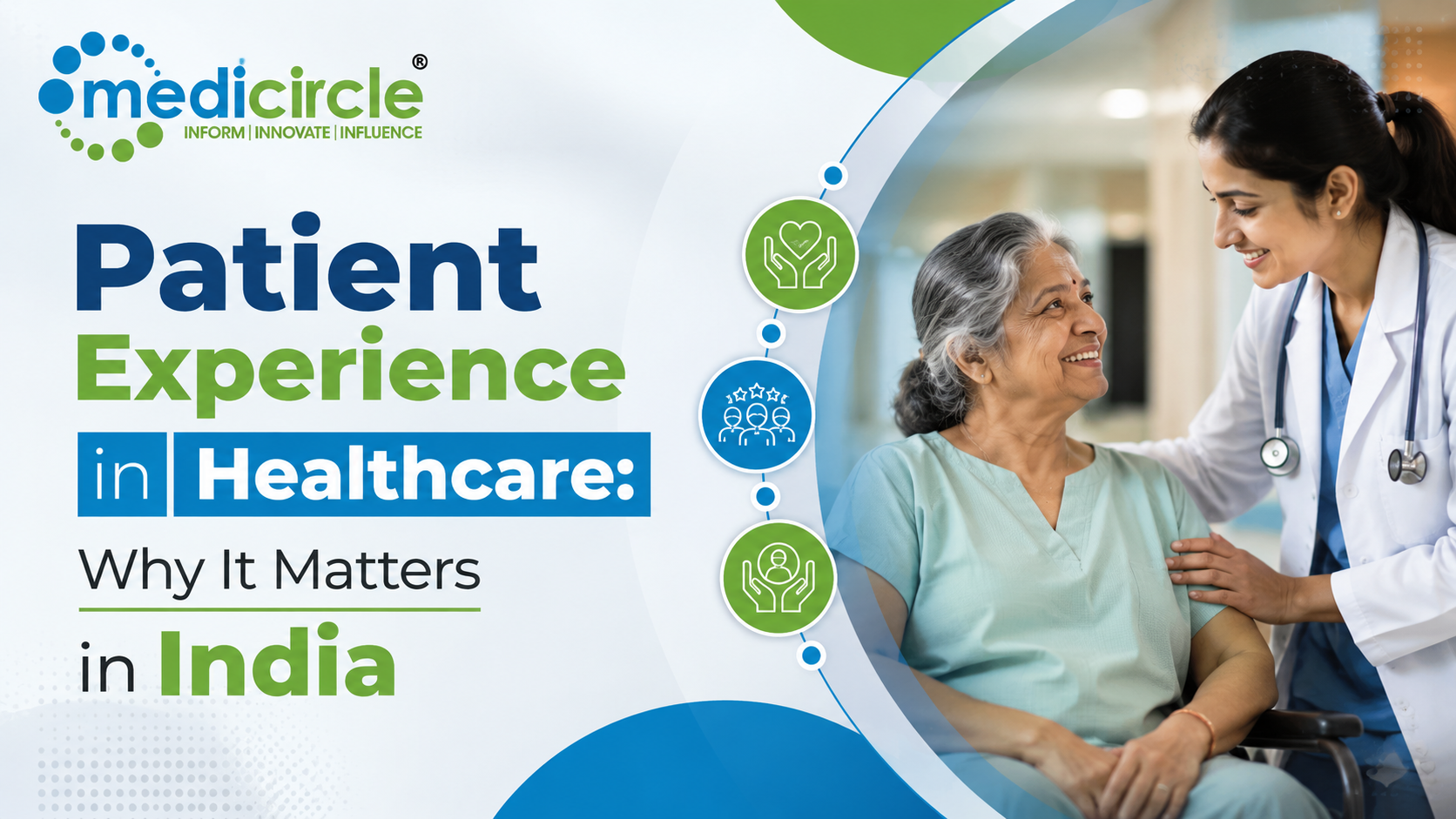
 This article examines patient experience in Indian healthcare, covering communication, hospital environment, discharge planning, cultural diversity, and how ABDM and NABH standards are shaping more patient-centred, trustworthy care.





Introduction
Patient experience has moved from being a soft, secondary consideration to becoming one of the central pillars of healthcare quality, alongside clinical effectiveness and patient safety. It covers every interaction a person has with a hospital, clinic, or health system, from the moment they book an appointment to the follow-up call after discharge. For Indian healthcare, where patients often navigate a mix of public schemes, private hospitals, insurance processes, and family involvement in every decision, patient experience carries added weight. It shapes whether a patient trusts a diagnosis, follows a treatment plan, returns for follow-up care, or recommends a hospital to family and neighbours.
India's healthcare landscape is also changing rapidly. Digital health records through the Ayushman Bharat Digital Mission, growing NABH accreditation standards, and rising patient awareness are pushing hospitals to look beyond clinical outcomes alone. A patient who receives excellent treatment but feels unheard, confused about instructions, or disrespected during their stay is unlikely to walk away with confidence in that hospital. This article examines what patient experience truly means, why it matters so much in the Indian context, and what hospitals, doctors, and healthcare brands can do to strengthen it in a responsible and sustainable manner.
Understanding Patient Experience: What It Really Means
Patient experience is often confused with patient satisfaction, but the two are distinct concepts. Patient satisfaction reflects whether a person's personal expectations were met, which varies from patient to patient depending on their background and prior experiences. Patient experience, on the other hand, looks at whether specific, measurable aspects of care actually took place, such as clear communication from doctors, respectful behaviour from staff, or timely response to a call bell.
Globally recognised frameworks describe patient experience as the sum of all interactions, shaped by an organisation's culture, that influence how patients perceive their care across the full continuum, from first contact to long after discharge. This includes clinical encounters as well as softer elements such as courtesy, cleanliness, and how well a patient understands what is happening to them. In India, this concept becomes even more layered because patients frequently bring family members into consultations, rely on regional languages, and expect a certain warmth and personal attention that goes beyond clinical transactions.
Key Dimensions of Patient ExperienceSeveral elements consistently shape how a patient perceives their care journey. These include access to timely appointments, respectful and courteous treatment by staff, clear communication with doctors and nurses, coordination of care across departments, shared decision-making, culturally appropriate communication, and adequate support for self-management after discharge.
- Access to Care: How easily and quickly a patient can reach the right doctor or department.
- Communication: Clarity, empathy, and consistency in how information is shared with patients and families.
- Environment: Cleanliness, noise levels, privacy, and comfort within the hospital setting.
- Continuity: How well information and care plans are coordinated from admission through discharge and follow-up.
Why Patient Experience Matters in the Indian Healthcare Context
India's healthcare system is undergoing significant transformation, and patient expectations are rising alongside it. With growing health insurance penetration, expanding private hospital networks in Tier 1 and Tier 2 cities, and increasing awareness through digital media, patients today compare hospitals not only on treatment outcomes but also on how they are treated as individuals. A poor patient experience can affect a hospital's reputation quickly, particularly in India where word of mouth and family recommendations remain powerful drivers of choice.
There is also a strong link between patient experience and clinical outcomes. Patients who feel respected and well informed are more likely to adhere to treatment plans, attend follow-up visits, and manage chronic conditions such as diabetes or hypertension effectively. This is especially relevant in India, which carries a significant burden of non-communicable diseases requiring long-term patient engagement rather than one-time treatment.
The Role of Ayushman Bharat Digital Mission (ABDM)The Ayushman Bharat Digital Mission has become a meaningful enabler of improved patient experience in India. By allowing patients to create a unique Ayushman Bharat Health Account, or ABHA ID, hospitals can securely link prescriptions, lab reports, and discharge summaries, reducing the friction patients face when moving between different care providers. As ABDM adoption expands across the country, with a growing number of hospitals empanelled under schemes such as AB PM-JAY, patients are gradually experiencing more coordinated and less fragmented care. However, digital health literacy still varies widely, and many patients, particularly in smaller towns, require additional guidance to benefit fully from these digital tools.
NABH Accreditation and Quality BenchmarksNational Accreditation Board for Hospitals and Healthcare Providers, or NABH, standards increasingly incorporate patient-centred indicators, encouraging hospitals to formalise how they collect and act on patient feedback. For hospitals seeking to build credibility with both patients and healthcare partners, aligning with these standards offers a structured pathway to improving experience alongside safety and clinical quality.
The Patient Journey: Where Experience Is Shaped
Patient experience is not shaped by a single encounter but by a series of touchpoints across the entire hospital stay. Understanding this journey helps hospitals identify where small, thoughtful changes can create meaningful improvement.
First Contact and AdmissionThe very first interaction, whether at a reception desk, a call centre, or an appointment booking counter, sets the tone for everything that follows. Clear directions, respectful behaviour from non-clinical staff, and a smooth intake process help patients feel welcomed rather than anxious. In Indian hospitals, where waiting areas can often be crowded, simple steps such as transparent queue management and multilingual signage can significantly ease early anxiety.
Communication During TreatmentOnce admitted, communication becomes the single most influential factor in shaping how patients evaluate their care. This includes not only what is said but how it is said, through tone, patience, and willingness to answer questions. Doctors and nurses who take time to explain diagnoses in simple language, rather than relying heavily on medical jargon, help patients feel more confident and involved in decisions about their own health. Given the diversity of languages spoken across India, communication that respects regional language preferences plays an especially important role in building trust.
Hospital Environment and ComfortThe physical environment of a hospital, including cleanliness, noise levels, and access to natural light, has a measurable effect on how safe and cared for a patient feels. Indian hospitals operating in dense urban settings often face space constraints, but thoughtful design choices, such as clearly marked directions, comfortable waiting areas for family members, and quieter recovery spaces, can meaningfully improve the overall experience without requiring large-scale renovation.
Discharge and Transition of CareDischarge is frequently one of the most rushed parts of a hospital stay, yet it carries enormous weight in shaping a patient's final impression. Clear discharge instructions, medication guidance, and structured follow-up calls have all been associated with lower readmission rates and greater patient confidence in managing recovery at home. For elderly patients and those managing chronic conditions, involving family members in discharge planning from the time of admission can reduce confusion and prevent avoidable complications after leaving the hospital.
Addressing Cultural and Regional Diversity in Patient Experience
India's healthcare audience is far from uniform. Patients differ by language, region, income level, education, and cultural expectations around illness and care. These differences can shape how comfortable a patient feels asking questions, understanding a diagnosis, or participating in treatment decisions. Hospitals that invest in interpreter support, multilingual written materials, and staff training in cross-cultural communication tend to see stronger trust and better adherence to care plans among diverse patient populations.
Shared decision-making, where doctors actively involve patients and families in choices about treatment, has also been shown to improve perceived respect and reduce anxiety, particularly when it accounts for cultural beliefs and language needs. In the Indian context, where family involvement in medical decisions is common and often expected, hospitals that welcome rather than restrict family participation tend to create a more positive and reassuring experience.
Measuring and Improving Patient Experience in Hospitals
Traditional patient satisfaction surveys, often conducted weeks after discharge, can miss important nuances in how patients felt during their care. Many hospitals globally, including a growing number in India, are shifting towards real-time feedback tools, structured patient interviews, and digital feedback platforms that capture experience closer to the moment it occurs.
Improvement efforts tend to be most effective when they combine measurement with action. This includes training front-line and clinical staff in empathetic communication, using structured bedside reporting that involves patients directly, and creating feedback loops where patient comments are reviewed and acted upon rather than simply archived. Hospital leadership plays a critical role here, since sustainable improvement in patient experience requires consistent investment rather than one-time initiatives.
- Collect feedback at multiple points, not only after discharge.
- Train staff in communication and empathy as core clinical skills, not soft extras.
- Involve patients and families in discharge and care planning discussions.
- Use digital tools, including ABDM linked records, to reduce friction across the care journey.
- Review patient feedback regularly and translate it into visible operational changes.
How Credible Healthcare Communication Supports Better Patient Experience
Beyond clinical care itself, the way healthcare information reaches patients and the public also shapes trust in the system. Reliable, well-explained healthcare content helps patients understand their conditions, ask better questions during consultations, and feel more confident navigating hospitals and treatment options. Platforms that responsibly connect doctors, hospitals, and the public through clear, credible communication play a supporting role in this greater effort toward patient-centred healthcare. Medicircle exists in this space as a healthcare media platform, working to simplify healthcare knowledge and make it more accessible for patients while giving doctors and hospitals a credible channel to share expertise and build the kind of transparency that ultimately supports a better patient experience.
Conclusion
Patient experience is no longer a peripheral concern in healthcare. It sits alongside safety and clinical effectiveness as a core measure of quality, and its influence extends into treatment adherence, trust, hospital reputation, and long-term health outcomes. In India, where healthcare is being reshaped by digital health missions, rising accreditation standards, and a more informed patient population, hospitals that genuinely invest in communication, environment, cultural sensitivity, and thoughtful discharge planning are the ones most likely to build lasting trust. Improving patient experience is not a single initiative but an ongoing commitment, one that ultimately reflects the values a healthcare organisation holds toward the people it serves.
Frequently Asked Questions
Q1: What is patient experience in healthcare?
Patient experience refers to the sum of all interactions a patient has with a healthcare system, including access to care, communication with doctors and nurses, hospital environment, and discharge planning. It focuses on whether specific aspects of care actually occurred, not merely whether the patient was satisfied.
Q2: How is patient experience different from patient satisfaction?
Patient experience measures whether specific, expected elements of care were delivered, such as clear communication or timely response to requests. Patient satisfaction measures whether the patient's personal expectations were met, which is more subjective and varies from person to person.
Q3: Why is patient experience important for Indian hospitals?
In India, patient experience directly influences treatment adherence, hospital reputation, NABH accreditation scores, and patient trust in a market where people often choose providers based on word of mouth. It also affects readmission rates and long-term health outcomes.
Q4: How can hospitals in India measure patient experience?
Hospitals can use structured patient feedback surveys, real-time feedback kiosks, patient and family advisory councils, NABH-aligned quality indicators, and digital tools linked to platforms such as the Ayushman Bharat Digital Mission to track experience across the patient journey.
Q5: What role does communication play in patient experience?
Communication is one of the strongest predictors of a positive patient experience. Clear explanations, active listening, and involving patients and families in decisions build trust and improve adherence to treatment plans and follow-up care.





-23-300x250.png)

.jpeg)


.jpg)
.jpg)
.jpg)
.jpg)
.jpg)
.jpg)
.jpg)
.jpg)
.jpg)