 Monday, October 19, 2026
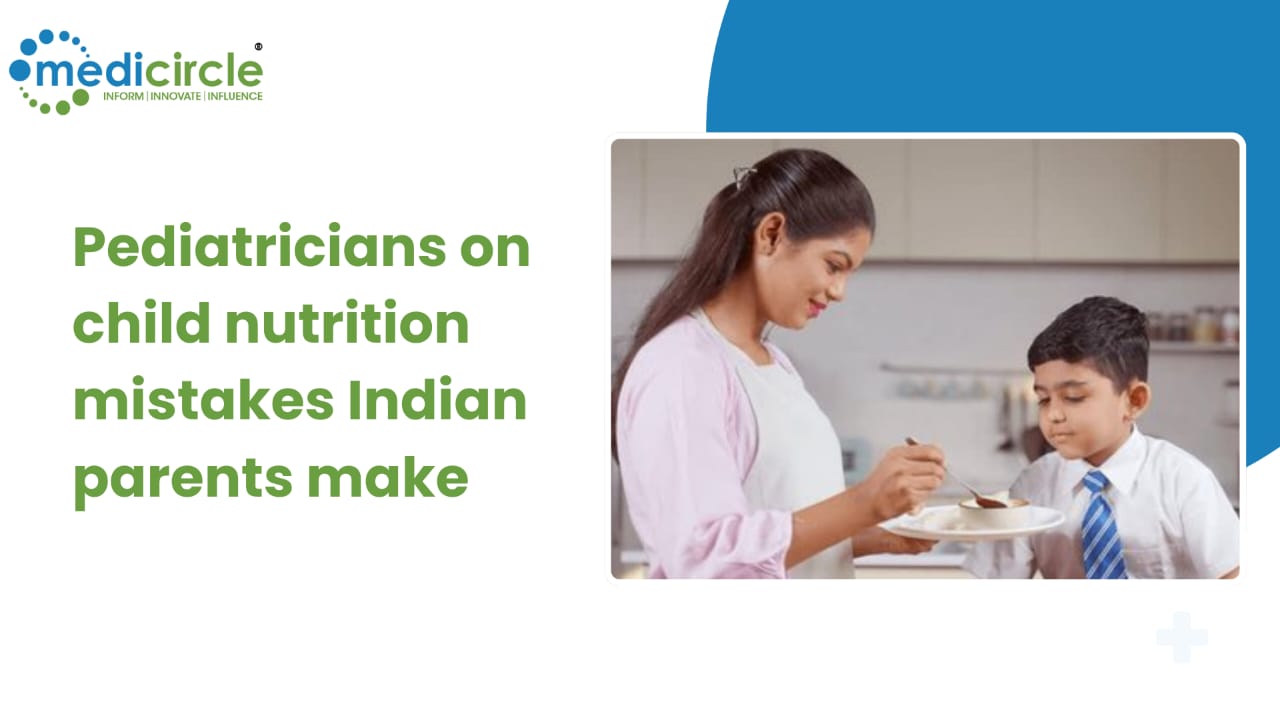
 Many parents unknowingly make small mistakes that affect their child’s nutrition. This article highlights common pitfalls and offers simple, practical shifts to build lifelong healthy eating habits.




For any parent in India, the greatest wish is to see their child grow up strong and healthy. This journey often leads us to the kitchen, where we pour love and effort into every meal. But even with the best intentions, many parents find themselves worried. Why is their child so tired? Why do they fall sick often or simply push their plate away? It is a frustrating puzzle that leaves many asking a simple question: where are we going wrong?
According to pediatricians, the answer usually is not about a lack of care. Instead, it is often about a few common habits that can unintentionally trip up a child's nutrition. This is not about finding fault. It is about sharing insights that can make the path to good health a little smoother for everyone.
A well-meaning mistake:
Most of us remember being told not to waste food. That childhood lesson can easily turn into a firm rule for our own kids: the plate must be cleaned. But doctors suggest that this pressure can do more harm than good.
Think about it. An adult's appetite changes from day to day and it is exactly the same for a child. Their hunger depends on how much they have grown recently, how active they have been and even how they are feeling. Insisting they eat a full portion when they are just not hungry can confuse their natural understanding of being full. The real goal should be a happy mealtime. A good approach is for parents to control what food is offered and when, while letting the child decide how much of it they actually want to eat.
The hidden culprits:
Every parent knows to limit sweets and chocolates. The bigger challenge, say experts is the sugar that hides in plain sight, often in foods we think are good for them.
Let us talk about juice. It comes from fruit, so it must be healthy, right? The problem is, when we juice a fruit, we remove the most important part: the fiber. What is left is basically sugary water that quickly enters the bloodstream. This can lead to bursts of energy followed by crashes and over time it might contribute to weight issues. For daily drinking, nothing beats plain water, milk or a glass of chaas.
Then there are packaged snacks. Walk down any supermarket aisle and you will find biscuits, cereals and bars shouting about added vitamins and minerals. But if you take a moment to read the ingredients, sugar is often near the top of the list. While convenient, making these a regular part of your child's diet can train their taste buds to expect everything to be super sweet. This makes a naturally sweet banana or a mango seem boring in comparison.
The dal-rice combo:
A warm plate of dal and rice is the ultimate comfort food in countless Indian homes. It is a good meal, but pediatricians note that relying on it too heavily might not provide everything a growing body needs.
The protein found in dal is what nutritionists call incomplete. This means it needs a partner to become a full high quality protein. That partner is rice or wheat like in a roti. Together, they create a complete protein source. But for a child's developing muscles and brain, variety is essential. Adding other protein rich foods like eggs, chicken, fish or dairy products like paneer and dahi makes a big difference. For vegetarian families, being mindful to include different grains and pulses throughout the week is key.
Simple shifts:
Feeling overwhelmed? The good news is that fixing these issues does not require a complete overhaul. Small, consistent changes work best.
Children learn by watching. When they see you enjoying a bowl of vegetables or trying new foods, they become more curious. Another simple idea is to get them involved. Let them choose a new vegetable at the market or help with washing veggies. This sense of ownership can make them more excited to eat what they helped prepare.
For parents of picky eaters, patience is the most important ingredient. It might take ten or more tries before a child accepts a new taste. Do not get discouraged by a few rejections. Just keep offering a tiny portion without any fuss. Lastly, try to stick to a rough schedule for meals and snacks. Constant grazing means they are never truly hungry when it is time for a proper, balanced meal.
The bigger picture:
At the end of the day, feeding a child is a long journey. There will be days when a packaged snack is the only thing that works and that is perfectly fine. The aim is not perfection, but progress.
The real victory is not just a clean plate. It is about helping a child build a healthy, positive relationship with food that lasts their entire life. By stepping away from food battles and focusing on understanding, parents can move from worry to confidence, knowing they are laying the foundation for lifelong well-being.





-23-300x250.png)

.jpeg)









.jpg)
.jpg)
.jpg)
.jpg)
.jpg)
.jpg)
.jpg)

.jpg)
.jpg)
.jpg)