 Saturday, October 10, 2026
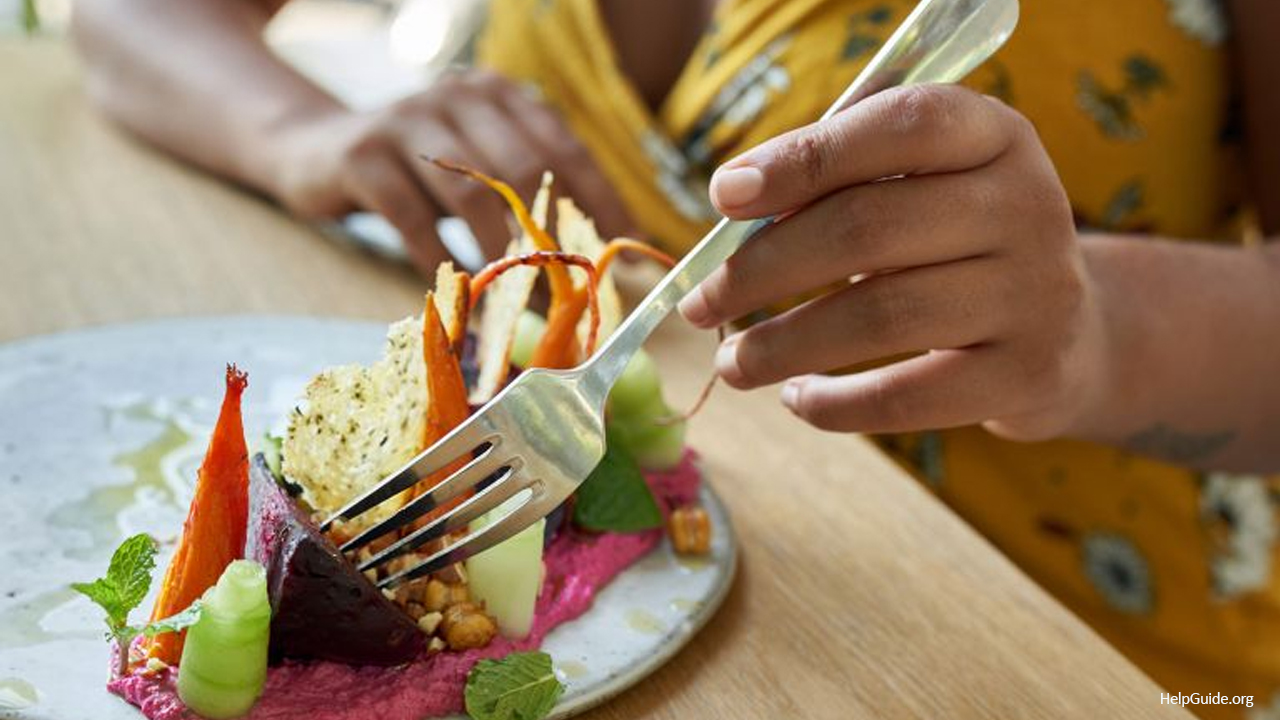
 “Eating has nothing to do with the emotions, yet we end up in Overeating.”




Anything which we take from our mouth, chew them, destroy them, we call it eating. Consuming anything does not only mean that we are hungry. Sometimes while thinking of something such as in stress condition or physically present and mentally absent, we start eating anything which is there in front of us. Many of us have the habit of biting our nails too when we think of something. That time we don’t realize that our reaction (eating unnecessarily, biting our nails) was out of our emotions. The emotion of being sad, lonely, anxious, excited, happy. Not realizing that eating has nothing to do with emotions, yet we end up overeating. And then we feel the guilt of overeating because of the consequences we face after it. Thus, to overcome these cravings or unwanted eating, it is very much important to first understand the difference between Physical eating and Emotional eating.
Emotional Hunger- Bad thing
After finishing your meal, being full, and then also if you felt the need to eat, it is emotional eating. We do emotional eating just to fulfill our emotional needs, no matter whether it’s positive or negative. The bad thing about emotional eating is that it cannot be filled with food. And the excess food you have taken knowingly or unknowingly leaves you in worse condition.
Difference Between the two Hungers
One can very well differentiate between the two. Emotional hunger comes all of a sudden. On the other hand, physical hunger slowly increases as our receptors start getting a sense of emptiness in the stomach and does not require urgent craving. Real hunger gives you hints that it is time to eat. Physical hunger allows you to have any food irrespective of your taste because here it is needed whereas, in Emotional hunger, we crave for a specific food which we love to eat, our favorites.
Emotional hunger is just in our minds. Our mouth wants to taste something, and our brain keeps on sending messages to have it. Whereas physical hunger is felt in the stomach. We feel emptiness, rumbling inside it. We feel some sort of pain also when we are naturally hungry. In emotional hunger, we just eat and without noticing what we are having, how much we are having because we are surrounded by the respective emotion. While in natural hunger we pay attention and do mindful eating.
Physical Hunger- Need
We do emotional eating to cover up our emotions, feelings. we are not hungry here. Despite our full stomach, we feel like eating more. After some time when we come out of that emotion, we feel guilty and regret by facing the consequences of it. Whereas in physical eating, we eat only that much amount which is required to boost up, get energized. Once our stomach is full, we stop there only. Thus, we don’t land up into overeating. There is no feeling of regret as it was very much needed.
Consequences of Overeating
When we are doing mindful eating, we concentrate on what we are eating. We develop a kind of relationship with the food and enjoy it. Mindful eating is very much appropriate for our health whereas emotional hunger or overeating can result in unwanted weight gain as well digestion problems. Digestion problems such as constipation, acidity are very much prominent. Weight gain leads to obesity which directly or indirectly contributes to many severe diseases.
If at all you feel like today you have taken over (extra calories), you can try some of these ways to lose excess calories: 1. Start exercising. 2. Go for a walk. 3. Can Try yoga. 4. Skip next meal.





.jpeg)










.jpg)
.jpg)
.jpg)
.jpg)
.jpg)
.jpg)


.jpg)