Tuesday, October 27, 2026
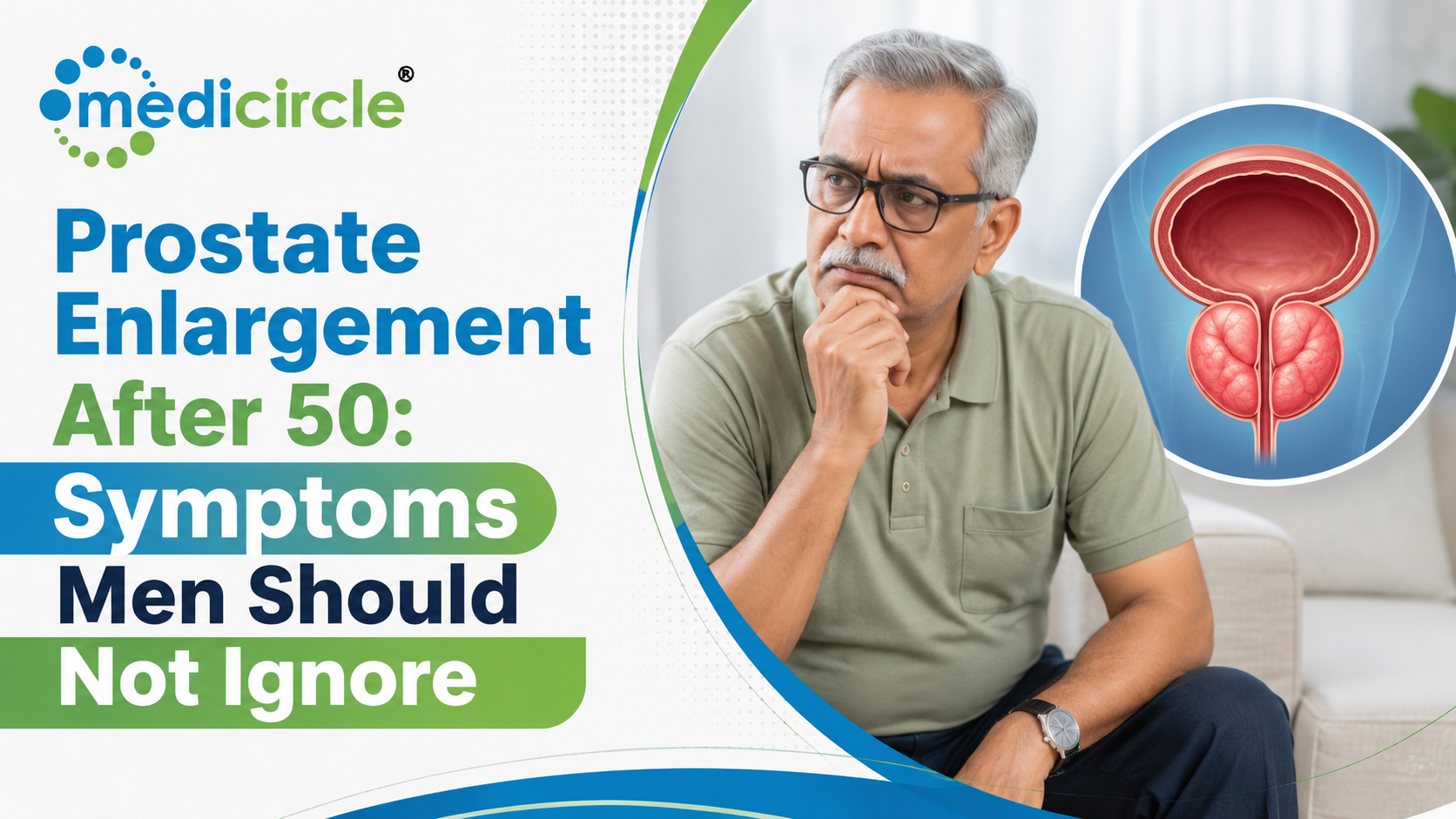
 Prostate enlargement after fifty is an incredibly common healthcare challenge that affects urinary flow. Recognizing warning signs early allows you to address the root issue before it impacts daily peace of mind.




Prostate Enlargement After 50: Symptoms Men Should Not Ignore
When men cross into their fifties, a lot of focus naturally shifts toward managing cholesterol, keeping blood sugar stable, and keeping joints moving smoothly. Yet, a silent shift often occurs right below the radar in a small but vital part of the male reproductive system, which is the prostate gland. This tiny, walnut-shaped organ sits right beneath the bladder, playing a quiet but central role for decades. As time moves on, however, it has a very strong tendency to expand.
Doctors call this gradual tissue growth Benign Prostatic Hyperplasia, though most people simply know it as an enlarged prostate. It is incredibly common, affecting roughly half of all men in their fifties and reaching up to ninety percent of men by their eighties. Because the change happens so slowly over several years, many men simply assume their changing bathroom habits are just an unavoidable part of growing older.
Accepting these discomforts as a normal part of aging can be a mistake that leads to completely preventable health problems later on. The prostate physically wraps around the urethra, which is the internal canal that carries urine out of your body. When the prostate swells, it puts pressure on this tube, acting much like a thumb pressed over the end of a water hose. Recognizing these early signals allows you to address the root issue before it impacts your daily peace of mind.
Prostate And Bladder Link
To understand why these symptoms show up the way they do, it helps to look at the internal mechanics of your pelvic area. Think of your bladder as a flexible storage tank and the urethra as the drainage pipe. Because the upper portion of this drainage pipe runs directly through the center of the prostate gland, any increase in the prostate size alters how fluid leaves the body.
When the prostate first begins to swell, the bladder tries to push through the new resistance by squeezing with more force. Over months of extra work, the muscular walls of the bladder grow thicker and become overly sensitive. This means even a small amount of collected fluid can suddenly make you feel like you need to run to the washroom. Over time, if the resistance remains high, the overworked bladder muscle can tire out, making it much harder to empty.
Frequent Bathroom Visits
A highly common and frustrating sign of an enlarged prostate is finding yourself needing to use the bathroom far more often than you used to. Many men notice they feel the urge to go every hour or two, even when they have not changed how much water they drink. This is not because the body is making more fluid, but because the bladder is failing to clear its contents in a single go.
Impact Of Nocturia
When this constant urgency follows you into the bedroom and interrupts your sleep, it is known as nocturia. Waking up multiple times throughout the night to use the washroom is often the final straw that convinces men to speak with a doctor. Broken sleep cycles quickly lead to deep daytime exhaustion, brain fog, and lower energy levels, proving that this is more than just a minor inconvenience.
Weak Urine Flow
As the prostate places more pressure on the urinary tract, the strength and speed of your urine stream change noticeably. A full, steady flow is often replaced by a weak, halting, or slow drizzle. You might find that a routine trip to the bathroom takes much longer than it did in the past.
Understanding Urinary Hesitancy
Urinary hesitancy is the medical term for standing at the toilet and waiting for the flow to actually start, even when your bladder feels full. You might have to strain, push, or wait around for several seconds before anything happens. Once the stream does start, it may stutter, stop completely, and then start up again rather than exiting in a single, clean motion.
Post Washroom Drips
When the exit pathway is narrowed, the bladder simply cannot empty all the way, leaving a pool of stagnant fluid behind. This creates an irritating, heavy sensation in the lower abdomen, leaving you feeling like you still need to go right after you just walked out of the washroom.
Managing Post Void Dribbling
Another frustrating issue that can take a toll on a man's confidence is post-void dribbling. This is when extra drops of urine leak out into your clothes after you think you have finished. It happens because small amounts of fluid get trapped in the squeezed part of the passage, only escaping later when you move, walk, or sit down.
Risks Of Delayed Treatment
While it is reassuring to know that Benign Prostatic Hyperplasia is entirely non-cancerous, leaving it completely unmanaged can open the door to serious health trouble. Fluid that sits in the bladder for too long becomes a perfect breeding ground for bacteria, leading to painful Urinary Tract Infections. Over time, the leftover minerals in stagnant urine can clump together to form solid, painful bladder stones.
In more advanced cases, the backward pressure from a struggling bladder can travel up toward the kidneys, potentially causing long-term functional decline. Additionally, some men experience acute urinary retention, which is a sudden, painful crisis where they cannot pass any urine at all, requiring immediate emergency medical care to clear the blockage.
Diagnosis And Modern Care
Getting your prostate checked is a straightforward, routine process that is nothing to be nervous about. A specialist will typically chat with you about your daily habits, perform a quick physical exam, test a sample of your urine, and use an ultrasound to see exactly how large the prostate has grown. A simple blood test for Prostate-Specific Antigen is also standard practice to verify overall prostate health.
|
Stage of Management |
Standard Approach |
What the Treatment Does |
|
Mild Disruptions |
Active Monitoring |
Simple lifestyle changes and routine wellness checks |
|
Moderate Disruptions |
Prescription Medications |
Relaxes pelvic muscles or shrinks the prostate tissue |
|
Severe Obstructions |
Advanced Laser Procedures |
Gently clears away excess tissue to restore flow |
If your symptoms are mild, simple changes can make a massive difference. Cutting back on fluids for a couple of hours before bed and avoiding too much caffeine or alcohol can give your bladder a much-needed break. For moderate issues, daily medications work wonders by either relaxing the muscles around the bladder neck or slowly shrinking the tissue. If things have progressed to a point where pills are not doing the trick, modern urology offers gentle, minimally invasive laser procedures to open up the channel and permanently fix your flow.
Frequently Asked Questions
Does having an enlarged prostate mean I will get prostate cancer?
No, it does not. Benign Prostatic Hyperplasia is an entirely separate condition involving a non-cancerous overgrowth of normal cells. Having Benign Prostatic Hyperplasia does not increase your chances of developing prostate cancer. However, because both issues are common in men over fifty and share very similar symptoms, it is always wise to get a proper checkup to know exactly what is going on.
Can lifestyle modifications completely fix the problem?
While changing your habits cannot physically shrink a prostate that has already grown, it can make mild symptoms much easier to live with. Simple practices like regular physical activity, managing your weight, and avoiding fluids late at night can ease the pressure on your bladder and keep early-stage issues from getting worse.
What are the signs that I need to see a doctor immediately?
You should go to an emergency room or see a doctor right away if you find yourself completely unable to pass urine, are in severe pain in your lower stomach, see blood in your urine, or develop a high fever with chills. These are clear signs of an acute blockage or infection that needs immediate medical attention.
Conclusion
Dealing with prostate changes after fifty is a shared reality for millions of men, yet so many choose to deal with it in silence because of embarrassment or the belief that it is just a penalty of aging. Constantly mapping out where the nearest washroom is or losing valuable sleep every single night is not something you just have to live with, as it is the way your body asks for a little support.
Taking charge of your health early safeguards your long-term well-being and restores the comfort and freedom you deserve in your daily life. If you or a loved one is noticing these changes, reaching out to a healthcare professional is a simple step that ensures your golden years stay vibrant and uninterrupted.





-23-300x250.png)

.jpeg)





.jpg)
.jpg)
.jpg)
.jpg)
.jpg)
.jpg)
.jpg)
.jpg)
.jpg)