Tuesday, October 27, 2026
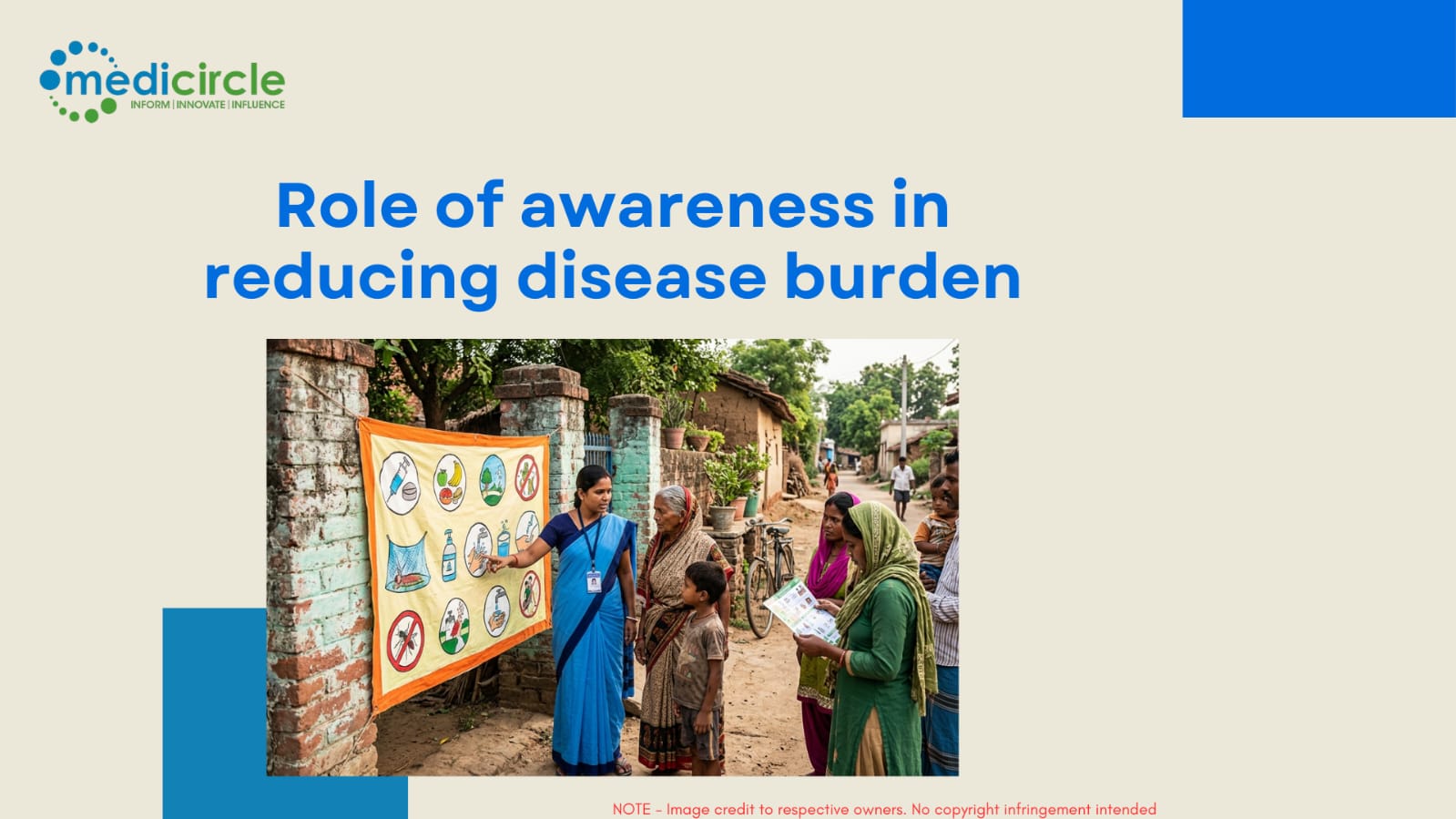
 Health awareness serves as the primary tool for reducing India's disease burden. By shifting from reactive treatment to proactive prevention, citizens can mitigate chronic lifestyle risks and ensure national vitality.




India stands at a critical juncture in its public health journey. While the nation has made remarkable progress in eliminating various infectious diseases, a silent crisis is emerging through non-communicable conditions. Chronic issues such as diabetes, cardiovascular disease, and hypertension are becoming prevalent across diverse age groups.
In this environment, the most potent remedy is not located in a pharmacy or a surgical suite. It begins with health awareness. When individuals comprehend their biological risks, the medical system transforms from a reactive model into a proactive shield.
Shift to Prevention:
A significant challenge for many Indian households is that medical care is viewed only as a response to physical pain. Waiting for symptoms to become severe often means a disease has reached an advanced stage. This delay results in expensive surgeries and long hospital stays.
Awareness functions as a vital early warning system for the body. It encourages people to observe small changes before they escalate. By connecting information with immediate action, we move away from crisis management. This change is essential for reducing the total impact of illness on the country.
Impact of Lifestyle Literacy:
Many growing health concerns in India are described as silent conditions. An individual may feel healthy while their internal vitals slowly deteriorate. Without consistent checks, these issues lead to permanent damage.
Health literacy involves grasping the logic behind medical recommendations. It is not enough to follow a diet without knowing its purpose. When we clarify the medical process and offer evidence for screenings, the fear of clinical settings disappears. Healthcare becomes a guide for the healthy rather than a home for the sick.
Digital Health Navigation:
Modern technology has made medical advice accessible to everyone with a smartphone. While this connectivity helps rural and urban populations, it also spreads incorrect data.
Empowerment comes from identifying reliable sources of truth. By using verified platforms and expert insights, citizens take control of their destiny. Digital literacy ensures that every person has the foundation to protect their family. It replaces modern confusion with genuine confidence.
The Social Ripple Effect:
A healthier nation is not the sole responsibility of medical professionals. It is a collective duty for every citizen. Informed individuals create a positive influence on those around them.
- Parents who study nutrition provide a better foundation for their children.
- Professionals who identify stress can protect their mental well-being effectively.
- Senior citizens who maintain regular screenings preserve their independence for longer periods.
Every person who seeks knowledge strengthens the entire community. By prioritizing wellness and remaining curious, we ensure a future defined by vitality.





-23-300x250.png)

.jpeg)






.jpg)
.jpg)
.jpg)
.jpg)
.jpg)
.jpg)
.jpg)
.jpg)
.jpg)