 Tuesday, October 27, 2026
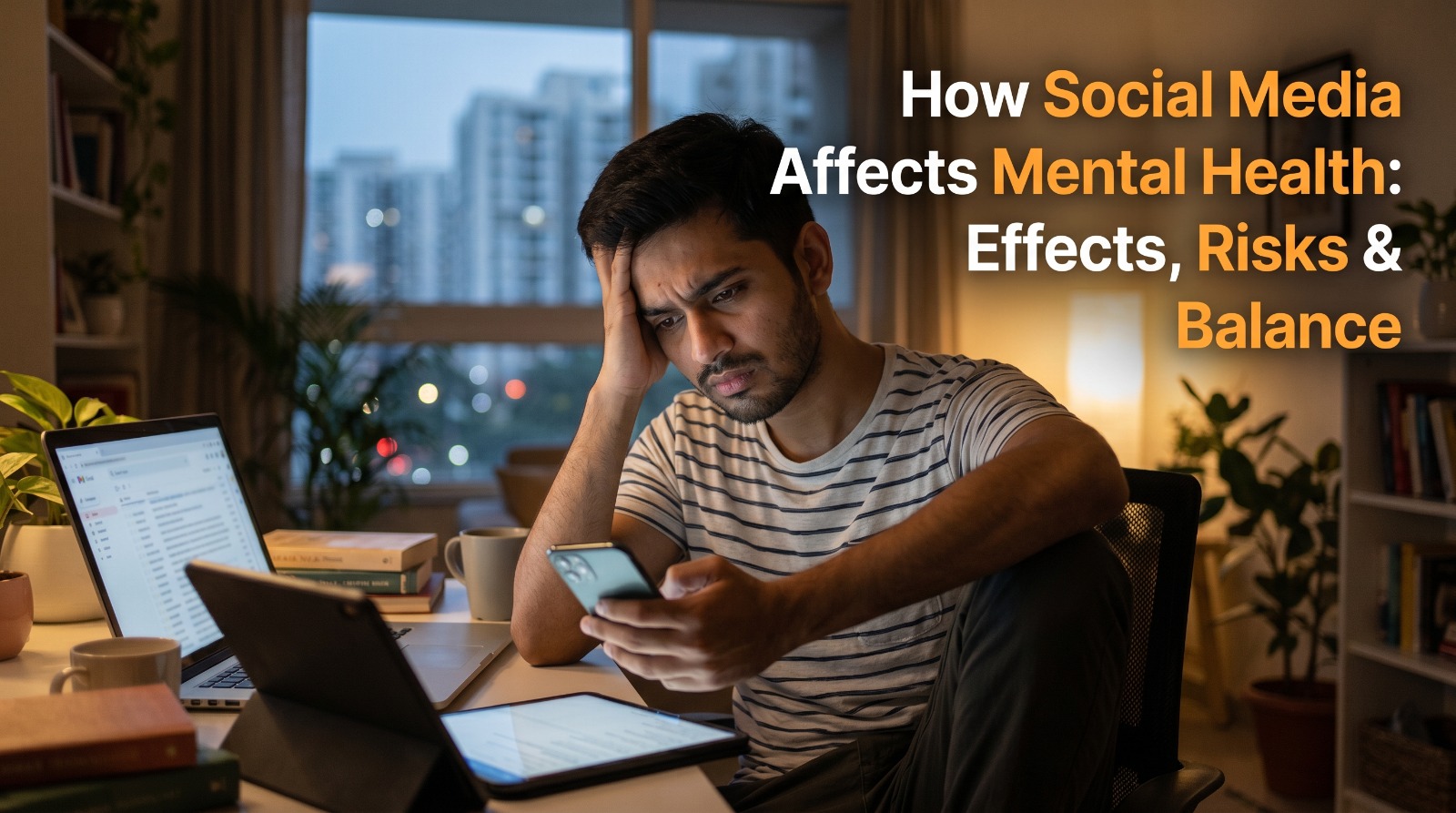
 Social media affects mental health in subtle yet powerful ways, influencing mood, self-image, and daily behavior. Understanding the effects of social media on mental health helps create a healthier and more balanced digital experience




How Social Media Influences Mental Health
The idea that social media affects mental health is no longer just a concern—it is a widely observed reality. While these platforms offer connection and information, they also influence how people think, feel, and perceive themselves.
In everyday life, this might look like someone scrolling through posts and feeling unproductive, comparing their progress to others, or experiencing mood changes after spending long hours online. These experiences highlight the social media impact on mental health, which often operates quietly in the background.
Unlike traditional forms of communication, social media creates a constant flow of curated content. This can shape expectations, influence emotions, and gradually contribute to mental health affected by social media patterns.
The Psychological Effects of Social Media Use
Emotional and Cognitive ImpactThe effects of social media on mental health are often tied to emotional responses triggered by what users see online.
People may experience:
- Comparison with others’ achievements or lifestyles
- Pressure to present a certain image
- Fear of missing out (FOMO)
For example, a student seeing peers constantly posting about achievements may begin to feel inadequate, even if they are doing well in their own context. This is a common example of social media mental health effects in daily life.
Attention and Focus ChallengesSocial media also affects attention span. Continuous scrolling, notifications, and short-form content reduce the ability to focus deeply.
In practical terms, someone may struggle to concentrate on work or studies after frequent social media use. This demonstrates how effects social media has on mental health extend beyond emotions into cognitive functioning.
Effects of Social Media on Teens and Students
Why Teens Are More VulnerableThe effects of social media on teens are more pronounced because adolescence is a critical period for identity formation and emotional development.
Teenagers often rely on social media for validation, which can make them more sensitive to feedback such as likes, comments, or views. This is why social media affects teenagers differently compared to adults.
Real-Life Student ExperiencesFor students, the impact of social media on students often shows up in academic and emotional patterns.
- Difficulty concentrating during study hours
- Increased anxiety before posting content
- Sleep disruption due to late-night usage
For example, a student preparing for exams may repeatedly check social media, leading to reduced productivity and increased stress. This highlights the effect of social media on student performance in real-life scenarios.
Social Media and Self-Perception
The Role of Comparison CultureOne of the strongest ways social media affects mental health is through comparison. People often compare their everyday life to others’ curated highlights.
This can lead to:
- Lower self-esteem
- Body image concerns
- Feeling “behind” in life
For instance, seeing travel photos or career milestones can create a sense of inadequacy, even when those posts do not reflect reality.
Influence on Identity and ConfidenceOver time, constant comparison may shape how individuals view themselves. This is a key part of social media and effects on mental health, where identity becomes influenced by external validation.
Positive Aspects of Social Media on Mental Health
Connection and SupportWhile much focus is on negative impacts, social media mental health effects are not entirely harmful. Social media can also provide support and connection.
- Staying in touch with friends and family
- Access to mental health communities
- Sharing experiences and finding support
For example, individuals dealing with stress or anxiety may find comfort in online communities that share similar experiences.
Awareness and LearningSocial media also increases awareness about mental health topics. Many users learn about emotional well-being, self-care, and coping strategies through these platforms.
This shows that the impact of social media on mental health can be both positive and negative, depending on usage patterns.
Signs That Social Media Is Affecting Mental Health
Behavioral and Emotional IndicatorsRecognizing when mental health affected by social media becomes important is key to maintaining balance.
- Feeling anxious after scrolling
- Constant urge to check notifications
- Comparing oneself frequently
If social media begins to interfere with sleep, productivity, or relationships, it may indicate deeper social media affect on teens or adults.
For example, someone staying up late scrolling and feeling tired the next day is experiencing a direct impact on daily functioning.
Practical Ways to Maintain a Healthy Balance
Building Awareness and BoundariesManaging the effects of social media on mental health does not mean avoiding it completely but using it mindfully.
- Set time limits for daily usage
- Avoid checking social media immediately after waking up
- Take regular digital breaks
Curating what you see online can significantly improve your experience.
- Follow accounts that inspire or educate
- Limit exposure to content that triggers comparison
- Engage in meaningful interactions rather than passive scrolling
These small changes can reduce the negative social media impact on mental health and promote a healthier relationship with technology.
Related Conditions and Overlaps
Social Media and Anxiety or StressThe mental health and the effects of social media often overlap with anxiety and stress. Constant comparison, information overload, and lack of boundaries contribute to these conditions.
Sleep and Digital Habits
Late-night usage affects sleep quality, which in turn impacts mental health. This creates a cycle where poor sleep worsens emotional well-being.
Long-Term Perspective: Finding Balance in a Digital World
Understanding how social media affects mental health is not about labeling it as good or bad. Instead, it is about recognizing patterns and making conscious choices.
With awareness, individuals can use social media as a tool for connection and learning rather than a source of stress or comparison.
Conclusion: A Mindful Approach to Social Media Use
The effects of social media on mental health are shaped by how it is used. While it offers connection and opportunities, it can also influence emotions, self-perception, and daily habits.
FAQs
- How does social media affect mental health in daily life?
Social media affects mental health by shaping how people think, feel, and respond to their surroundings. In daily life, this can show up as mood changes after scrolling, feeling distracted during important tasks, or comparing oneself to others. For example, someone might open an app for a few minutes and end up spending an hour, later feeling unproductive or mentally drained. Over time, these small patterns contribute to the overall social media impact on mental health, influencing both emotional stability and mental clarity.
- What are the effects of social media on teens specifically?
The effects of social media on teens are more significant because teenagers are still developing their identity and self-confidence. Social media often becomes a space where they seek validation through likes, comments, and followers. When expectations are not met, it can lead to self-doubt or emotional stress. For instance, a teenager may delete a post if it doesn’t receive enough engagement, which reflects how deeply social media affects teenagers at a psychological level.
- Can social media use lead to anxiety or overthinking?
Yes, one of the key social media mental health effects is increased anxiety and overthinking. Constant exposure to others’ achievements, opinions, and lifestyles can create pressure to keep up. This often leads to overanalyzing one’s own life or decisions. For example, someone might repeatedly check if others have viewed or reacted to their post, leading to unnecessary stress. This is how mental health affected by social media can gradually develop into anxiety patterns.
- How does social media affect students and academic performance?
The impact of social media on students is often seen in reduced focus and productivity. Frequent notifications and the habit of checking apps interrupt deep concentration, making it harder to complete tasks efficiently. For example, a student studying for an exam may get distracted by short videos or messages, leading to longer study hours but lower retention. This clearly shows the effect of social media on student performance in real-life situations.
- Is social media addiction real, and how does it affect mental health?
While not always formally diagnosed, excessive use of social media can resemble addictive behavior. People may feel the urge to check their phones repeatedly, even without a specific reason. This constant engagement affects mental well-being by reducing attention span and increasing dependency. Over time, this pattern contributes to effects social media has on mental health, including restlessness and difficulty staying present in offline life.
- Can social media lower self-esteem?
Yes, one of the most noticeable effects of social media on mental health is its impact on self-esteem. Platforms often highlight achievements, appearance, and lifestyle in a curated way, which can create unrealistic standards. For example, seeing perfectly edited photos or success stories may lead someone to feel inadequate, even if their own life is progressing well. This comparison-driven mindset is a core part of social media and effects on mental health.
- How does social media affect sleep and mental well-being?
Social media use, especially at night, can disrupt sleep patterns. Scrolling before bedtime delays sleep and exposes the brain to continuous stimulation, making it harder to relax. Poor sleep then affects mood, focus, and emotional stability the next day. This creates a cycle where social media impact on mental health extends beyond usage time and affects overall well-being.
- Are there any positive mental health effects of social media?
Yes, not all social media mental health effects are negative. Social media can provide emotional support, access to helpful information, and a sense of community. For example, individuals dealing with stress or personal challenges may find relatable content or supportive groups that help them feel less alone. When used mindfully, it can enhance connection and awareness rather than harm mental health.
- How can someone tell if social media is affecting their mental health negatively?
Signs that mental health affected by social media include feeling anxious after scrolling, constantly comparing oneself, losing track of time online, or struggling to focus on real-life tasks. For example, if someone feels worse about themselves after using social media rather than better, it may indicate an unhealthy pattern. Recognizing these signs early helps in making necessary adjustments.
- What are practical ways to reduce the negative effects of social media?
Reducing the effects of social media on mental health involves building awareness and setting boundaries. This can include limiting screen time, avoiding social media during important tasks, and taking regular breaks. Another effective approach is curating content—following accounts that provide value rather than trigger comparison. For instance, replacing passive scrolling with purposeful use can significantly improve the overall social media impact on mental health.





-23-300x250.png)

.jpeg)






.jpg)
.jpg)
.jpg)
.jpg)
.jpg)
.jpg)
.jpg)
.jpg)
.jpg)

