 Tuesday, October 27, 2026
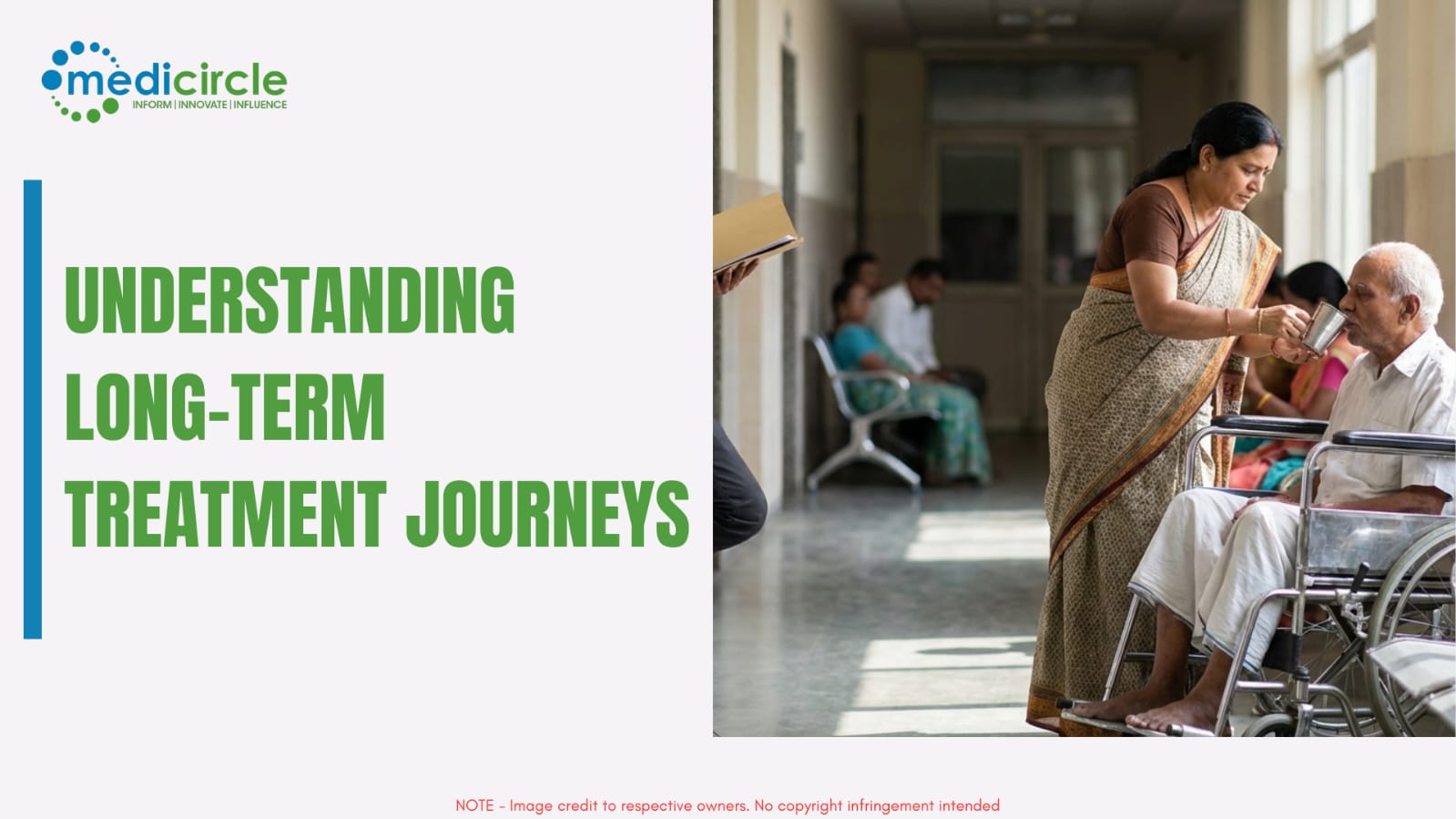
 Managing chronic illness in India requires shifting from reactive care to proactive management. Through digital tracking, education, and emotional support, patients can navigate long-term treatments for a healthier future.




The historical pattern of medical care in India was primarily reactive in nature. A patient would experience a sharp pain, visit a local clinic, complete a short course of antibiotics, and return to normal life. However, as modern lifestyles have shifted, the fundamental medical needs of the population have also transformed. Today, millions of citizens are managing conditions that do not simply vanish after a week of medication. From regulating blood sugar levels to monitoring blood pressure, the nation is moving into an era defined by continuous wellness journeys.
This transition from resolving a temporary problem to maintaining a permanent lifestyle requires a significant change in mindset. It is less like a quick sprint to a finish line and more like a steady, lifelong walk. While the prospect of continuous treatment can feel daunting, understanding the road ahead makes the process much smoother for both the patients and their families.
Shifting Mental Models:
In many Indian households, a common habit exists of stopping medication the moment the body feels healthy again. However, with chronic conditions such as diabetes or respiratory issues, feeling well is actually a sign that the treatment is effective. It does not mean the journey is finished.
The initial phase of a long-term journey is often the most demanding period for everyone involved. Medical professionals frequently call this the stabilization stage. During this time, the healthcare team works to find the perfect balance of medication, nutrition, and physical activity. It requires immense patience because the human body needs time to calibrate to these new inputs. Success in this context is not defined by the total elimination of the condition. Instead, success means preventing the illness from interfering with daily life or leading to more serious complications in the future.
Using Health Data:
Many people are familiar with the traditional blue folder which is a bulging plastic file filled with years of tangled prescriptions and physical lab reports. Fortunately, the way people track their health is becoming much more streamlined and efficient. Digital tracking is no longer just a high-tech luxury for the few. It is now a vital part of staying healthy for everyone.
When a patient regularly logs their vital signs, such as glucose levels or daily activity, they stop guessing and start knowing. This data creates a reliable bridge between the individual and their doctor. Instead of trying to remember how the body felt months ago, a clear and accurate record exists. This transparency removes much of the anxiety from the process. When a person sees their numbers stabilizing because of their own efforts, it provides a powerful psychological boost to remain consistent.
Overcoming Treatment Fatigue:
It is important to be honest about the fact that taking pills every day and following strict dietary rules is exhausting. Treatment fatigue is a very real phenomenon where patients feel burned out by the sheer repetition of their medical routine. In India, this exhaustion often leads people to abandon their doctors in favor of miracle cures or unverified home remedies that promise a quick exit from the journey.
To stay the course, society must acknowledge the mental and emotional side of the healing process. Managing a condition is always a team effort. Engaging with family members, joining local support groups, or simply talking to a professional counselor can provide the emotional fuel needed to stay consistent. Physical health and mental resilience are two sides of the same coin and must be treated with equal importance.
Knowledge Empowers Patients:
One of the biggest hurdles in the Indian healthcare system is the communication gap. Many patients follow a complex medical regimen without fully grasping the reasons behind it. This lack of clarity often leads to avoidable mistakes or missed doses of essential medicine.
Empowerment begins when a patient feels comfortable asking detailed questions. Individuals should understand why a specific dosage is necessary or what steps to take if they miss a day. Using reliable health platforms to research a condition helps people have much better conversations with their physicians. When a family understands the science behind the treatment, they become a circle of care that supports the patient rather than just supervising them.
Modern Healthcare Models:
The reality of continuous care is that it involves recurring financial costs. Between monthly medications and regular diagnostic tests, the financial impact is a significant concern for many middle class families. This reality has sparked a positive shift toward more sustainable and accessible healthcare models across the country.
There is a noticeable rise in the use of telehealth services which reduces the need for expensive and tiring travel for routine check-ups. Home based diagnostics are also making it easier for elderly patients to get tested without leaving their comfort zone. Furthermore, there is a better understanding of high quality generic medications that provide the same results at a lower cost. These innovations make it possible to integrate healthcare into daily life rather than revolving an entire existence around a medical condition.
Benefits of Consistency:
The true victories in a continuous health journey are often quiet and personal. These victories include the ability to attend a family wedding without feeling faint or the stamina to play with grandchildren in the evening. They also include the simple peace of mind that comes with a stable medical report.
A chronic diagnosis is not a full stop in the story of a life. It is simply a change in direction that requires new tools. By staying informed, utilizing modern technology, and leaning on a strong support system, every individual can ensure their health journey is one of empowerment.





-23-300x250.png)

.jpeg)


.jpg)
.jpg)
.jpg)
.jpg)
.jpg)
.jpg)
.jpg)
.jpg)
.jpg)

