 Thursday, October 08, 2026
 Avoid outside food in the rainy season as this may cause issues with your gut and stomach. Eat healthy food to keep your immunity at its best in the rainy season.




Breakfast, Lunch, and Dinner
For breakfast, you can have poha, upma, idli, dry toast, or parathas with black tea.
Instead of eating fries for lunch, take salad and roti with lentils and vegetables.
- Have vegetables, chapatis, and dal for dinner.
- Hot soup is very beneficial in this season.
- Drinking turmeric mixed milk at night will keep both stomach and skin healthy.
- You can get essential nutrients from seasonal fruits like watermelon, seasonal melon etc.
Avoid these things in monsoon
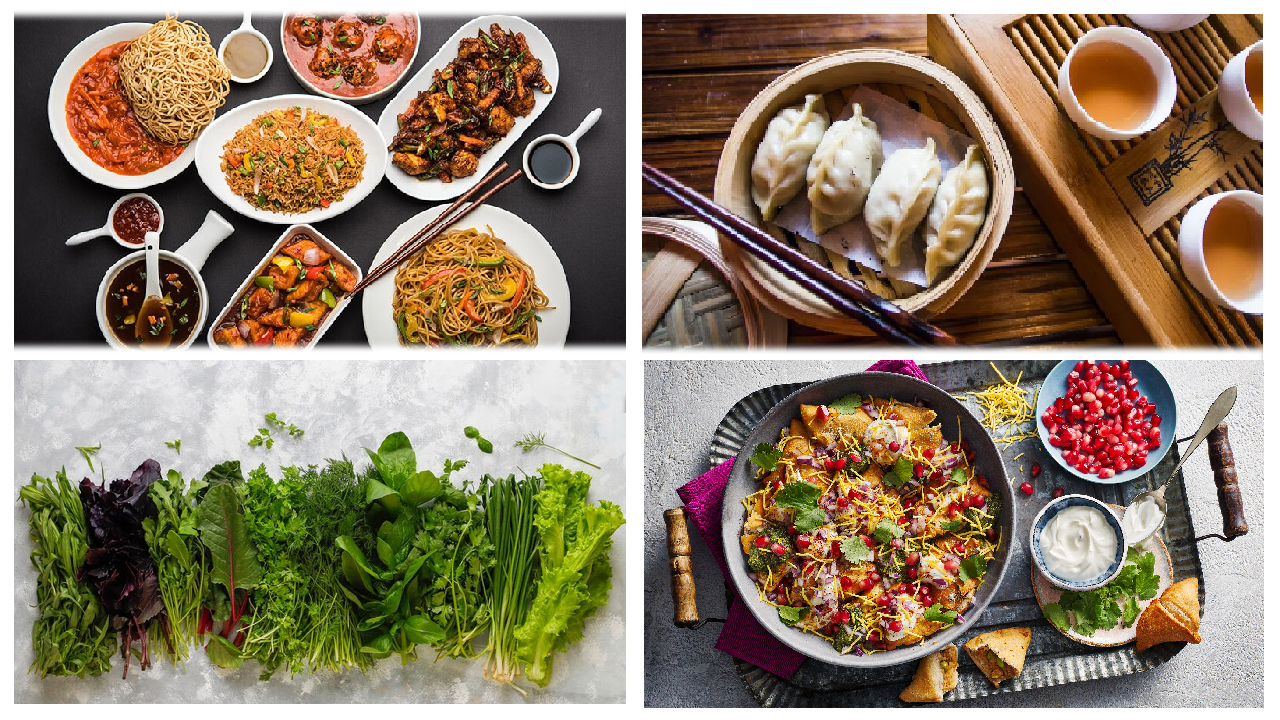
- Tea and dumplings
Pakoras with tea are a unique snack during monsoons. However, they are deeply fried which is unhealthy even when cooked at home. Humidity levels are usually higher during the rainy season as the body's digestibility decreases. Hence, avoid heavy and oily food as it can lead to an upset stomach. Pakoras sold outside are highly unhygienic and harmful to consumption as one cannot control the ingredients used. You can make and eat dumplings in a healthy way at home, but avoid consuming too much.
Chaat, samosas
Chaat or samosa is a street food loved by every Indian. Chaat which includes gol gappa, bhel puri, dahi puri, may be made from contaminated water. There are possibilities of using polluted water while making these snacks leading to infection. The chutney used in this chutney does not require sanitization if the water used is infected. These infections can cause diseases such as diarrhea or jaundice. Not everything is healthy in chaat, one can opt for healthy to make chaat at home to avoid infection from street food and make homemade chaat, giving the option of opting for healthy ingredients as well.
Chinese food
Street-side Chinese food should be avoided, no matter what the season. Chinese food during monsoons can become more harmful due to the use of contaminated water and these are further contaminated by the filth carried by flies on the road where the food comes in. Today in India, there are Chinese food vendors in every street. It is eaten by those with less money. While this food can cause health problems like shortness of breath, nausea, headache, migraine, burning or tingling around the mouth, stomach pain, etc. Monosodium glutamate can cause all of these health problems. Chinese food can avoid these health risks when prepared at home using healthy ingredients.
Leafy vegetables
It is a known fact that leafy vegetables are extremely important for health. However, it is recommended to avoid consumption of leafy veggies during monsoons. The moisture, dirt and soil present in the leaves make these veins susceptible to many microbes, leading to various stomach infections. If it is necessary for someone, then they should be washed and cooked properly before cooking.
Roadside juices
The juices sold on the street can be injurious to health. Fruit juices sold in the open have a good chance of getting infected during monsoon. Similarly it is also essential to avoid fruit salads sold on the street as they are pre-cut and can become infected. Prepare your own juices at home using fresh fruits and consume them immediately.





.jpeg)










.jpg)
.jpg)
.jpg)
.jpg)
.jpg)
.jpg)


.jpg)