Thursday, October 29, 2026
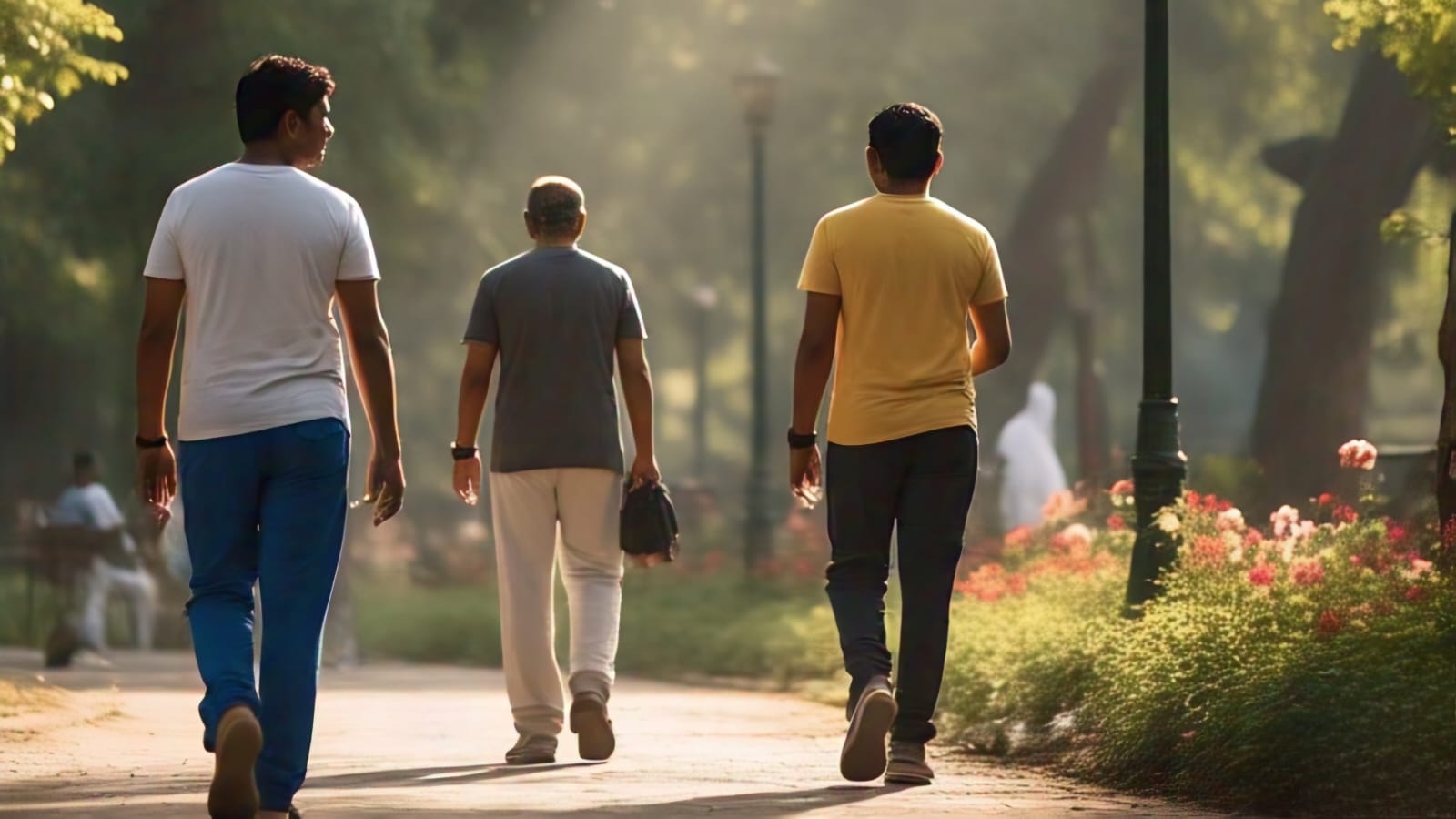
 Whether it’s a walk in the park, a view of trees from your window, or even a digital nature experience, science proves that it can reduce pain and improve well-being.





In our fast-moving, chaotic world, nature often feels like a distant luxury. Yet, it holds a profound power over our well-being beyond simply calming our minds. Recent research suggests that merely looking at natural scenery can actually reduce physical pain. This discovery, published in Nature Communications, sheds light on how nature influences our brains neurologically, altering our perception of pain.
This revelation could revolutionize pain management, offering a natural, side-effect-free way to alleviate discomfort. The research doesn’t just confirm what we already know about nature’s therapeutic effects on mental health but pushes the boundaries further proving that nature has a biological, neurological impact on pain perception.
The study involved 49 participants who were shown three different visual environments:
1. A natural setting, with lush trees and a serene lake.
2. An urban setting, where the same lake was surrounded by towering buildings.
3. An indoor office environment, devoid of any greenery.
While participants viewed these images, they were subjected to mild electric shocks and asked to rate their pain levels. At the same time, brain scans were conducted to monitor neural activity in regions responsible for pain processing.
The results were astounding. Those who viewed the natural scenery reported significantly less pain compared to those who looked at urban or indoor settings. But what’s even more compelling is what the brain scans revealed a neurological shift in the way the brain processed pain.
It’s easy to assume that looking at a beautiful landscape simply distracts the mind from pain. However, this study proved that the effects go much deeper than that.
The brain scans showed reduced activity in the regions responsible for pain processing, indicating that nature’s influence is not just psychological but fundamentally biological.
This discovery challenges the conventional belief that pain management requires pharmaceuticals. Instead, it suggests that nature itself can be a form of therapy that is free, accessible, and without side effects.
How Can This Change the Future of Pain Treatment?
The implications of this research are huge. If something as simple as looking at nature can alter brain activity related to pain, it opens the door for new, non-drug-based pain management strategies.
1. Virtual Nature Therapy – Hospitals and clinics could use nature simulations, including high-definition videos or VR experiences, to help chronic pain patients.
2. Green Hospital Design – Healthcare centers could incorporate green spaces, large windows, and indoor plants to aid in pain relief and recovery.
3. Workplace Well-being – Office spaces could integrate natural elements, like indoor plants and nature-themed environments, to promote better mental and physical health for employees.
4. Home-Based Therapy – Individuals suffering from chronic pain could benefit from indoor gardens, nature wallpapers, or even outdoor seating arrangements.
This also reinforces the importance of green spaces in urban areas. Cities often prioritize infrastructure over nature, but this study emphasizes that incorporating parks, gardens, and tree-lined streets isn’t just about aesthetics it’s about health and wellness.
Why Does Nature Have This Effect on Pain?
The reason nature reduces pain perception lies in how our brains have evolved. Humans have spent thousands of years living in natural environments, relying on green landscapes for food, shelter, and safety. Our brains are wired to respond positively to nature, triggering a sense of calm and relaxation.
When we experience pain, stress amplifies it. Urban settings and enclosed spaces often create a sense of confinement, adding to our distress. In contrast, nature activates areas of the brain associated with relaxation, reducing the intensity of pain signals.
Moreover, nature exposure lowers cortisol (the stress hormone) and increases dopamine and serotonin, both of which are natural pain relievers.
Can Virtual Nature Work Just as Well?
One of the most exciting aspects of this study is that even looking at digital images of nature produced a significant effect. This means that people who don’t have direct access to green spaces can still reap the benefits through screens.
While real-world experiences in nature are always preferable, virtual exposure could serve as an effective alternative for those confined indoors such as hospital patients, elderly individuals, or people in high-stress work environments.
Even if you live in a concrete jungle, there are easy ways to make nature a part of your daily routine:
Bring Nature Indoors: Houseplants, flower arrangements, or even nature-themed art can create a more calming environment.
Take Micro-Breaks in Nature: Step outside for a quick walk in a nearby park or sit near a window with a view of greenery.
Use Virtual Nature: Watch scenic nature videos or set your phone and laptop backgrounds to natural landscapes.
Opt for Green Workspaces: If possible, work near a window with natural light and outdoor views.
Create a Mini Garden: Even a small balcony garden with potted plants can enhance well-being.
Modern medicine has come a long way in pain management, but many solutions come with side effects. Painkillers can be addictive, surgeries are invasive, and alternative therapies don’t work for everyone.
This study highlights a path breaking, natural, and cost-effective alternative. By utilising the neurological benefits of nature, we could be looking at a future where doctors prescribe nature therapy alongside traditional treatments.
Imagine hospitals filled with indoor gardens, pain clinics offering virtual nature immersion, and patients using nature-inspired spaces as part of their recovery process.
While the research is still in its early stages, one thing is clear that nature isn’t just beautiful, it’s powerful.
The next time you feel overwhelmed by pain, stress, or exhaustion, consider this: maybe all you need is a dose of nature.
Whether it’s a walk in the park, a view of trees from your window, or even a digital nature experience, science proves that it can reduce pain and improve well-being.
And if this research is anything to go by, nature might just be the most underrated medicine in the world.
So go ahead, fill your home with plants, visit a nearby park, or simply gaze at a picture of a breathtaking landscape. Your brain and your body will thank you.




-23-300x250.png)