Tuesday, October 27, 2026
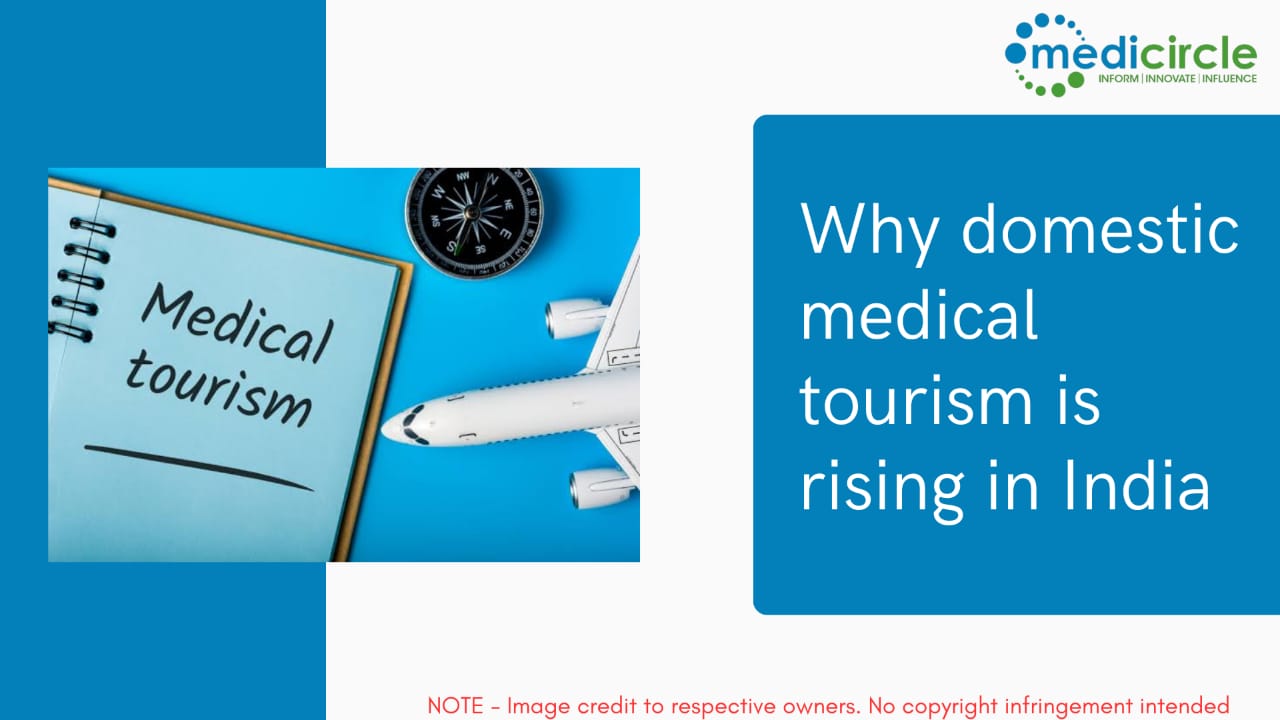
 An increasing number of Indians are traveling within the country for specialized medical care. This shift highlights cost efficiency, faster access and growing excellence across regional healthcare hubs.




For a teacher from Bihar, the answer to her child's heart condition was not in her hometown or abroad, it was in Chennai. For a farmer from Punjab, relief from chronic joint pain came not from his local clinic but from a hospital in Maharashtra. These stories are becoming increasingly familiar across India, representing a significant shift in how people access healthcare.
A quiet transformation is occurring across India's healthcare landscape. More Indians than ever are traveling within the country for medical treatment, creating a movement known as domestic medical tourism. This trend sees patients crossing state lines and traveling hundreds of kilometers to reach hospitals that offer the specialized care they need.
Driving factors:
Several compelling factors explain why Indians are increasingly willing to travel for healthcare.
Cost and quality:
The most significant driver remains the substantial cost variations between different regions and healthcare facilities within India. A complex surgery in a metropolitan hub often costs significantly less than international treatment while maintaining comparable quality standards. Data shows that procedures like cardiac surgeries can be 60 to 80 percent more affordable than in Western countries.
India's major urban centers now boast hospital infrastructure that matches global standards. Cities like Delhi, Mumbai, Chennai and Bangalore house healthcare facilities with international accreditations including JCI and NABH, ensuring rigorous standards of care. These centers attract patients from across the country seeking treatments they cannot access locally.
Unlike many countries with overburdened healthcare systems, India's private hospital network typically offers significantly reduced waiting times for critical procedures. This immediate access to treatment proves particularly valuable for patients requiring timely interventions for conditions where delays could worsen outcomes.
Specialization hubs:
India's healthcare landscape has naturally evolved to create recognized centers of excellence spread across different regions.
- Chennai has emerged as a dominant hub for cardiac care and orthopedics, attracting about 45 percent of international health tourists to India and a significant share of domestic medical travelers.
- Mumbai and Delhi have developed strong specializations in complex oncology treatments, organ transplants and neurology.
- Bangalore and Hyderabad have gained recognition for advanced fertility treatments and robotic surgeries.
- Kerala has carved a niche by integrating traditional Ayurvedic therapies with modern medicine, appealing to patients seeking holistic care.
This geographic specialization reflects growing patient awareness that specific medical expertise often concentrates in particular regions, despite quality healthcare being increasingly available throughout the country.
Navigating healthcare:
Medical travel:
The rise of digital healthcare platforms has dramatically simplified the process of planning medical travel within India. Patients can now research hospitals and doctors online, access teleconsultations for preliminary diagnoses, arrange complete treatment packages remotely and connect with patient coordinators for seamless planning.
Websites like Medicircle have democratized healthcare information, empowering patients to make informed decisions about their treatment journeys. These platforms provide crucial details about hospital accreditations, doctor qualifications, procedure costs and patient testimonials, all valuable resources when planning medical travel.
Understanding your options:
|
Procedure |
Typical cost range (USD) |
Potential savings v/s Western countries |
|
Cardiac bypass surgery |
5,000 to 8,000 |
80 to 90% |
|
Knee replacement |
4,000 to 9,000 |
70 to 85% |
|
Hip replacement |
5,000 to 10,000 |
75 to 80% |
Expanding healthcare map:
Beyond metros:
An important development in domestic medical tourism is the rising prominence of tier II cities as healthcare destinations. Cities like Pune, Ahmedabad, Kochi and Bhubaneswar are emerging as medical hubs, offering international standard healthcare facilities with lower accommodation and living costs for recovering patients.
This geographic expansion makes quality healthcare more accessible to surrounding regions while reducing the burden on major metropolitan centers. Patients increasingly discover they can access excellent medical care in these emerging hubs without the higher costs and congestion associated with the largest cities.
Policy and progress:
The Indian government's focus on healthcare infrastructure development has significantly supported this domestic medical travel trend. Initiatives like the “Heal in India” campaign and the Ayushman Bharat Digital Mission, while also targeting international patients have strengthened the overall healthcare ecosystem.
Improved transportation connectivity between cities has further facilitated medical travel, making journeys from smaller towns and rural areas to healthcare hubs more feasible than ever before.
A new era:
Domestic medical tourism represents more than just a healthcare trend, it signals a fundamental shift in how Indians approach their well-being. Patients are transforming from passive recipients of local care to proactive consumers making deliberate choices about their medical treatment.
This movement benefits both patients and the healthcare ecosystem, encouraging hospitals to maintain high standards and develop specialized expertise. As reliable healthcare information becomes increasingly accessible through platforms like Medicircle, this trend will likely continue growing, making quality healthcare available to all Indians regardless of their location.
The rise of domestic medical tourism tells a hopeful story of a country gradually bridging healthcare gaps, one patient journey at a time. It reminds us that sometimes, the path to better health requires traveling not abroad, but to the right destination within our own diverse and resourceful nation.
Medicircle supports Indians in their healthcare journeys by providing authentic health information, expert insights and patient stories to help make informed decisions about medical care and treatment options.





-23-300x250.png)

.jpeg)






.jpg)
.jpg)
.jpg)
.jpg)
.jpg)
.jpg)
.jpg)
.jpg)
.jpg)