Tuesday, October 27, 2026
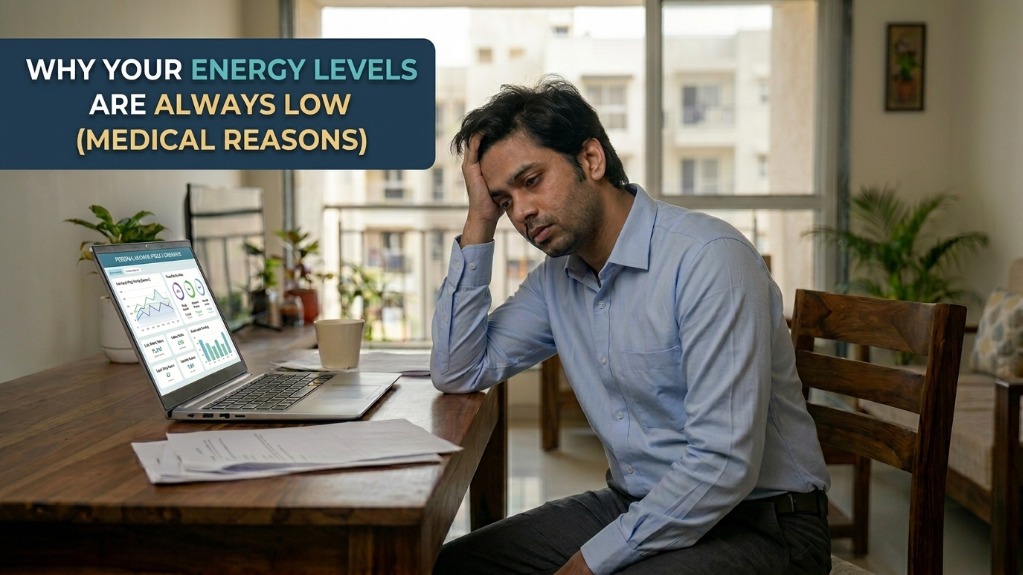
 You wake up tired. You go through the day feeling drained. Even after resting, your body still feels like it hasn’t recovered. If this sounds familiar, you are not alone. Millions of people experience constantly low energy levels, often without understanding the real reason behind it.




Why Your Energy Levels Are Always Low (Medical Reasons)
You wake up tired. You go through the day feeling drained. Even after resting, your body still feels like it hasn’t recovered. If this sounds familiar, you are not alone. Millions of people experience constantly low energy levels, often without understanding the real reason behind it.
Energy is not just about how active you feel. It reflects how efficiently your body is functioning at a cellular level. When something is off—whether physically or mentally—your energy level drops.
While many people blame a busy lifestyle, the truth is that persistent fatigue often has deeper medical causes that need attention.
Understanding Energy Levels in the Body
Your body produces energy through complex biological processes involving nutrients, oxygen, and metabolism. Just like in science concepts such as atomic energy levels or electronic energy levels, your body also operates in systems where balance is essential.
When everything functions properly, you experience a high energy level, clarity of mind, and physical strength. But when something disrupts this balance, it results in low energy levels, fatigue, and lack of focus.
Lack of Quality Sleep
One of the most common reasons for low energy is poor sleep. Even if you spend enough hours in bed, the quality of sleep matters more.
During sleep, your body repairs tissues, balances hormones, and restores energy. Without proper rest, your system cannot recharge. This leads to constant fatigue and difficulty in improving energy levels.
Experts suggest that adults need at least seven hours of quality sleep for optimal functioning. Poor sleep patterns or disorders like insomnia can significantly reduce your daily energy.
Nutrient Deficiencies and Energy Loss
Your body depends on nutrients to produce energy. Deficiencies in vitamins and minerals can directly affect how energetic you feel.
Low levels of iron, vitamin B12, vitamin D, and magnesium are commonly linked to fatigue. Even if you are eating regularly, your body may not be absorbing the nutrients efficiently.
This is why correcting deficiencies plays a key role in raising energy levels and restoring normal body function.
Chronic Stress and Mental Exhaustion
Stress is not just emotional—it is physical. When you experience continuous stress, your body remains in a constant state of alertness.
This leads to hormonal imbalance, inflammation, and eventually exhaustion. Chronic stress can even change how your brain functions, leading to long-term fatigue.
People dealing with stress often notice a drop in energy level, difficulty concentrating, and a constant feeling of tiredness. Managing stress is essential for boost energy levels naturally.
Underlying Medical Conditions
Sometimes, fatigue is not just about lifestyle. It can be a sign of underlying health conditions.
Medical issues such as thyroid disorders, diabetes, sleep apnea, and depression are known to cause persistent tiredness. Conditions like chronic fatigue syndrome and kidney disease can also impact your energy level significantly.
If your fatigue continues despite lifestyle changes, it is important to seek medical advice to identify the root cause.
Poor Diet and Energy Imbalance
What you eat directly affects how you feel. A diet high in processed foods, sugar, and unhealthy fats can lead to energy crashes.
When your body does not receive enough nutrients, it struggles to maintain stable energy production. This results in fluctuations in blood sugar levels, causing fatigue.
A balanced diet rich in whole foods helps in increasing energy levels and maintaining consistency throughout the day.
Excess Caffeine and Energy Crashes
Many people rely on caffeine to stay awake and active. While it provides a temporary boost, excessive consumption can disrupt sleep and create a cycle of fatigue.
Over time, your body becomes dependent on stimulants, making it harder to maintain natural energy. This is why reducing caffeine intake is important for improving energy levels in the long run.
Dehydration and Low Energy
Water plays a crucial role in every function of your body. Even mild dehydration can lead to fatigue, dizziness, and reduced concentration.
Your body loses water through daily activities, and if it is not replaced, your energy level drops. Staying hydrated is one of the simplest ways to boost energy levels naturally.
Weight and Metabolic Health
Body weight and metabolism also influence energy. Being overweight can increase the risk of conditions like sleep apnea, which disrupt sleep and cause daytime fatigue.
At the same time, metabolic imbalances affect how efficiently your body uses energy. Maintaining a healthy weight supports better sleep and overall energy level balance.
Sedentary Lifestyle and Fatigue
Lack of movement can make you feel more tired, not less. A sedentary routine slows down metabolism and reduces circulation.
Regular physical activity improves oxygen flow, boosts mood, and enhances overall energy production. Even light exercise can help in increasing energy levels and reducing fatigue.
How to Naturally Boost Energy Levels
Improving your energy does not require drastic changes. It is about consistency and balance.
Focusing on quality sleep, proper nutrition, hydration, and stress management creates a strong foundation for health. Small daily changes can gradually lead to noticeable improvements.
Your goal should not just be temporary energy but sustainable vitality.
Conclusion
Feeling constantly tired is not normal. It is your body’s way of telling you that something needs attention.
From poor sleep and nutrient deficiencies to underlying medical conditions, there are multiple reasons behind low energy levels. Understanding these causes is the first step toward recovery.
By making informed lifestyle choices and addressing medical concerns, you can restore your energy and experience a healthier, more active life.
FAQs
- What causes low energy levels?
Common causes include poor sleep, stress, and nutrient deficiencies.
- Can medical conditions cause fatigue?
Yes, conditions like diabetes and thyroid issues can lower energy.
- How can I boost energy levels naturally?
Focus on sleep, hydration, and a balanced diet.
- Does dehydration affect energy?
Yes, dehydration leads to fatigue and reduced focus.
- Can stress lower energy levels?
Chronic stress significantly reduces energy.
- What vitamins help increase energy levels?
Vitamin B12, iron, and vitamin D are important.
- Does caffeine help energy?
It provides temporary energy but may cause crashes later.
- How much sleep is needed?
At least 7 hours for optimal energy.
- Can exercise improve energy?
Yes, regular activity helps increase energy levels.
- When should I see a doctor?
If fatigue is persistent and unexplained.





-23-300x250.png)

.jpeg)






.jpg)
.jpg)
.jpg)
.jpg)
.jpg)
.jpg)
.jpg)
.jpg)
.jpg)