 Thursday, October 08, 2026
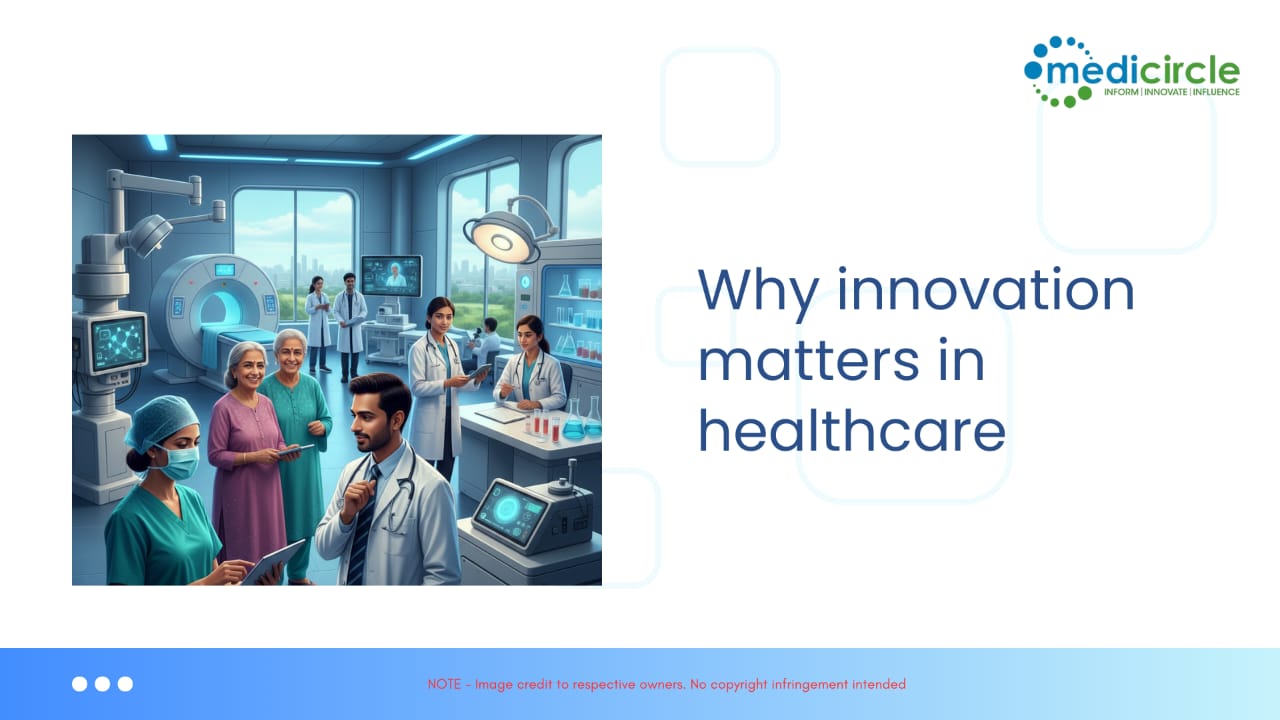
 Healthcare innovation in India is transforming access, affordability and quality of care, bringing expertise to homes, empowering patients and supporting a stronger, more resilient health system.




Let us be honest. We hear the word "innovation" so often it can start to lose its meaning. But in the world of healthcare, especially in a country as vast and vibrant as India, this word carries the weight of real hope. It is not about shiny new gadgets for the sake of it. It is a quiet, persistent revolution changing how ordinary people find care, afford treatment and take charge of their well-being. When old systems strain under the needs of millions, innovation becomes the essential bridge. It turns distant possibilities into everyday realities.
Care at home:
Remember when consulting a top specialist meant taking a train to a big city? It was a journey of days, significant expense and immense stress. That reality is fading. Today, a first consultation can happen from your sofa. The pandemic certainly accelerated this shift to telemedicine, but its true success lies in how we have kept it. For managing diabetes, checking in with a therapist or discussing a child’s persistent fever, a video call is now a standard, sensible option. This is not just convenience; it is a fundamental dismantling of distance, bringing expertise to towns and villages that once had limited options.
True cost of diagnosis:
There is an old fear that a doctor’s prescription for tests would lead to a financial shock. Innovation in India’s diagnostic sector is directly challenging that fear. How? It is not just about cutting prices. It is about rethinking the entire chain. Modern diagnostic networks have perfected a model where a trained professional in a local community can collect samples. Those samples then travel efficiently to a central high-tech lab. The result? A digital report lands in your email without you ever leaving your town. This smart logistics system slashes hidden costs like travel and lost wages, making quality diagnostics a reality for many more families. It is innovation designed for scale and humanity.
Power of prevention:
COVID-19 taught us a brutal lesson: our long-term health is our greatest shield. Conditions like high blood pressure or sugar levels quietly shaped outcomes. This knowledge has sparked a profound shift in mindset, from just treating sickness to actively building wellness. People are more aware now. They track their steps on a watch, use apps to understand their sleep and monitor blood pressure at home. This wave of personal health technology supports a crucial idea: healthcare is no longer just an occasional visit to a hospital. It is becoming a daily, conscious practice. It is about catching a problem early or better yet, preventing it altogether.
Doctors with enhanced tools:
A common worry is that machines will replace the human healer. The most effective innovations do the precise opposite, they amplify the doctor’s skill. Think of advanced software that helps a radiologist in a busy district hospital examine scans with greater speed and focus or surgical tools that allow for minimal incisions and faster recovery. The goal is not to remove the doctor from the room but to remove limitations. By handling routine tasks or enhancing precision, technology gives medical professionals something invaluable: more time. More time for complex cases, for careful explanation and for the empathy that forms the core of healing.
Building a healthier economy:
This change ripples far beyond clinic walls. It is fueling an economic transformation. The healthcare innovation sector in India represents a massive opportunity valued in the tens of billions of dollars. It is alive with thousands of startups tackling everything from medicine delivery to hospital management software. This energy creates new jobs, attracts investment and positions India on the global stage as a leader in affordable, effective health solutions. The models being perfected here are now blueprints for other nations facing similar challenges.
Your role in this story:
So, where does this leave you? This is not a distant story about other people. It is about the new choices available to you and your family. The path forward is being built on making care accessible, affordable and personal. It is about moving from a system you visit only in crisis to one that partners with you for lifelong wellness.
Platforms like Medicircle are here to help you navigate this new landscape. They connect you to trusted information, help you understand the latest advancements and guide you to solutions that fit your life. The narrative of Indian healthcare is being rewritten, one smart, human-centered idea at a time. It is a story of resilience and ingenuity and it invites each of us to be a part of it. The question is no longer just about what innovation is but how it can empower your own health journey and that makes all the difference.






.jpeg)










.jpg)
.jpg)
.jpg)
.jpg)
.jpg)
.jpg)


.jpg)