Tuesday, October 06, 2026
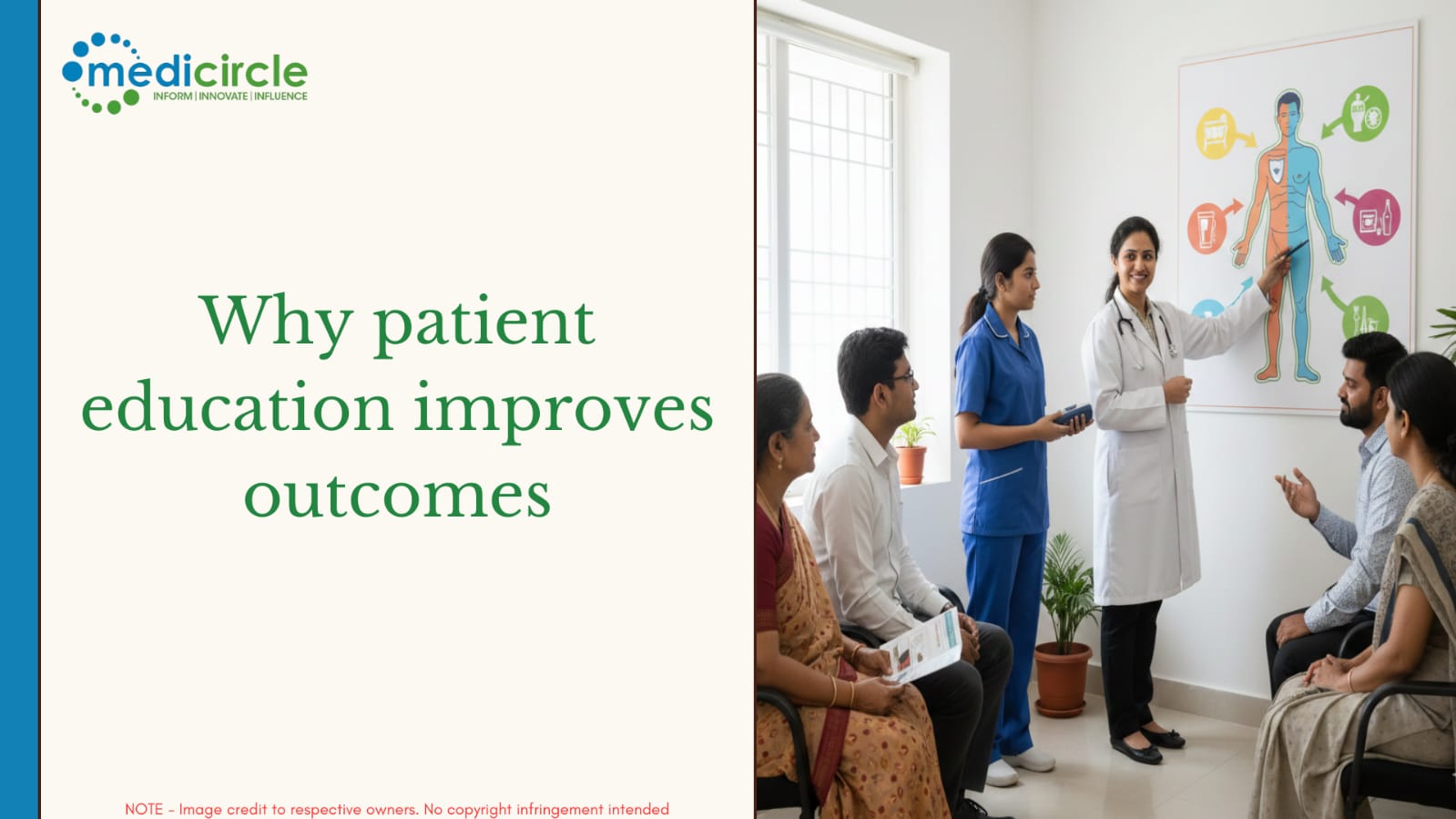
 Patient education transforms healthcare from a one sided instruction into an empowered journey. By understanding their conditions, Indian patients can improve compliance, reduce anxiety, and achieve better long term outcomes.




Healthcare in India is changing rapidly. While we have more advanced hospitals and skilled specialists than ever before, the most critical factor in the recovery of a patient often is not what happens in the operating room; it is what happens in the mind of the patient. For decades, the doctor and patient relationship in India was largely one sided; the doctor gave orders, and the patient followed them. But as lifestyle diseases like diabetes and heart disease become household names, this old way of doing things is no longer enough. To truly get better, we need to move from being passive observers to active participants in our own health journeys.
Patient education is much more than just reading a brochure. It is about gaining the specific knowledge and skills needed to manage a condition effectively. It is the difference between blindly taking a pill and understanding exactly how that medicine is protecting your vital organs. When we understand the reason behind the medical advice, we are far more likely to stick to the plan and see real results.
Maximize Doctor Visits:
We all know the reality of Indian clinics: they are crowded, and doctors are often stretched for time. In a consultation that may only last ten minutes, it is easy to walk out feeling confused by medical jargon or overwhelmed by a long list of instructions. This confusion is often why people stop taking their medications as soon as they feel fine.
Education fills the gap that opens the moment you leave the hospital. For example, a person with high blood pressure might feel perfectly healthy, but that does not mean the danger has passed. If the patient understands that hypertension is a silent condition that can damage the kidneys over time, they are much more likely to continue their treatment even when they have no symptoms. Knowledge ensures that medical advice sticks, turning a fleeting conversation into a long term lifestyle change.
Build Patient Confidence:
A new medical diagnosis can be terrifying. In many Indian families, the first instinct is to worry or look for answers on social media, where misinformation spreads faster than facts. This uncertainty creates immense stress, which is actually physically harmful; high stress levels release hormones like cortisol that can slow down healing and worsen heart conditions.
When a patient is given clear, factual information about what to expect, that fear begins to fade. Understanding the side effects of a treatment or the typical progression of a disease gives the patient a sense of control. Instead of feeling like a victim of their circumstances, they feel like they have a roadmap. This mental peace is a powerful, often underrated tool in the recovery process.
Focus on Lifestyle:
India is currently facing a sharp rise in chronic conditions like Type 2 diabetes and obesity. These are not just medical issues; they are lifestyle issues. A doctor can prescribe the best insulin in the world, but it will not be nearly as effective if the patient does not understand the impact of their daily diet.
Education allows patients to make smarter choices at home. Instead of following a generic no sugar rule, an educated patient learns how specific Indian staples, such as switching from refined flour to whole grains, affect their blood sugar levels. By learning to recognize early warning signs, such as sudden fatigue or slow healing wounds, patients can catch problems before they become emergencies. This proactive mindset keeps people out of the hospital and improves their day to day quality of life.
Improve Medical Partnerships:
When patients are well informed, the entire dynamic of the doctor and patient relationship improves. Consultations become a two way street. Instead of the doctor spending the whole visit explaining basic terms, they can focus on the specific progress of the patient and adjust the treatment plan based on real feedback.
In India, health decisions are rarely made alone; the whole family is usually involved. Educating the caregivers is just as important as educating the patient. When a spouse or child understands the medical goals, they can provide the right kind of support at home, ensuring that the patient eats the right food and never misses a check-up. This teamwork between the family and the medical professional is what leads to the best possible outcomes.
Use Digital Tools:
Today, we have more information at our fingertips than any previous generation. Digital health platforms have made it possible for a person in a small town to access the same quality of health information as someone in a major city. However, the key is quality.
With so much health advice circulating on messaging apps, it is vital to rely on platforms that provide expert verified, medically accurate content. Reliable digital resources empower us to ignore the myths and focus on what actually works. This democratization of health information means that every Indian, regardless of where they live, has the chance to be a knowledgeable advocate for their own health.
Create Healthy Futures:
The goal of modern medicine is not just to add years to our lives, but to add life to our years. Patient education is the foundation of this goal. It turns a confusing and often scary medical experience into an empowered journey toward wellness.
Improving health in India is not just about building more hospitals; it is about building a more informed public. When we prioritize understanding our bodies and our treatments, we are no longer just patients; we are the architects of our own well-being. By taking the time to learn today, we are ensuring a healthier, more vibrant India for tomorrow.






.jpeg)
.jpg)
.jpg)
.jpg)
.jpg)
.jpg)
.jpg)


.jpg)
.jpg)
.jpg)
.jpg)
.jpg)
.jpg)