 Sunday, October 11, 2026
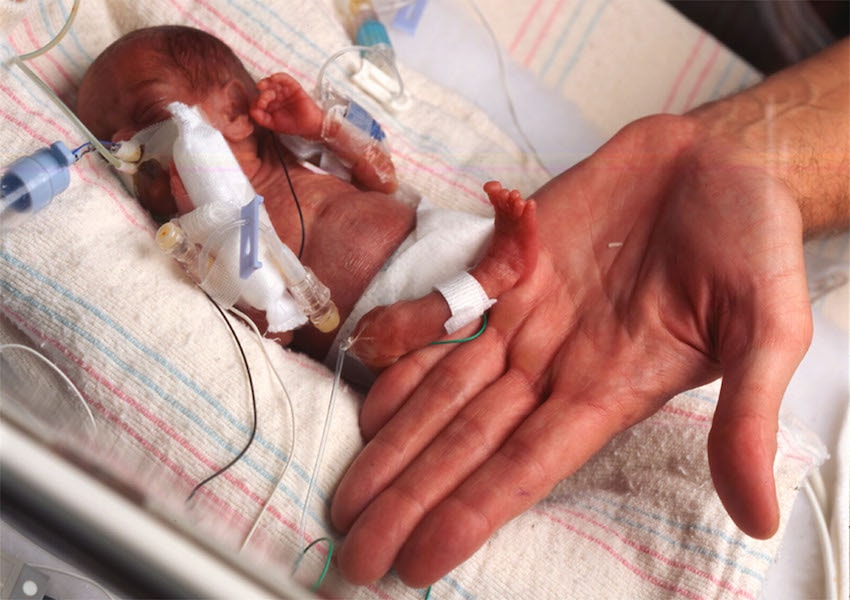
 Extremely premature microprimis baby, 23-24 weeks gestation, with severe intrauterine growth restrictions, discharged from Jupiter Hospital Pune after 100-day stay.




Pune, 08 May, 2024
In a remarkable tale of survival, a premature baby weighing mere 600 grams was discharged from Jupiter Hospital in Pune after a hundred day battle overcoming several health complications. Born at just 23-24 weeks gestation, the infant faced multiple challenges including underdeveloped lungs and a congenital heart defect known as Patent ductus arteriosus.
The baby's mother, faced significant challenges during her pregnancy, including severe high blood pressure requiring emergency caesarean section delivery due to life-threatening complications. Additionally, she experienced a premature rupture of membranes just seven hours before giving birth.
Upon birth, the infant exhibited signs of distress, including a weak cry, indicating potential respiratory issues. Prompt intervention was crucial, and the medical team quickly initiated respiratory support with an endotracheal tube and Continuous Positive Airway Pressure (CPAP) therapy in the delivery room before transferring the infant to the neonatal intensive care unit (NICU).
The little one was diagnosed with respiratory distress syndrome (RDS) due to being born too early, and a chest x-ray showed issues like under developed, totally collapsed lung. To give the baby the best chance, he was put on a ventilator and received surfactant (substance instilled through endotracheal tube to open up the lungs) fluids, nutrition, and antibiotics in the NICU. Despite these challenges, both mom and baby received dedicated care from the medical team.
Dr. Shivahar Sonawane, Consultant Neonatal and Pediatric Intensivist at Jupiter Hospital, highlighted the challenges faced by the baby but also noted the positive response to treatment. After being taken off the ventilator by one week of life, the infant required minimal respiratory support and oxygen until 36 weeks of life. Despite numerous health complications at birth, the baby was discharged at 40 weeks of gestation, weighing 1.5 kgs.”
Regular screenings, such as brain sonography and retinopathy of prematurity (ROP) screening, were conducted to monitor potential complications associated with premature birth. Fortunately, no significant changes were observed, ensuring a favorable long-term prognosis.
Dr. Smita D 'Souza, Consultant Neonatologist, emphasized the importance of nutritional support, especially considering the infant's severe intrauterine growth restrictions and feeding issues. An intensive total parenteral nutrition regimen was initiated immediately, followed by gradual introduction of breast milk. Upon discharge, routine oral feeding, warm oil massage, sunlight exposure, and auditory and visual stimulation were recommended to support the infant's development.
The successful outcome of this case underscores the critical role of prompt and effective management in addressing the complex needs of premature infants. Through dedicated care and interdisciplinary collaboration, the infant not only survived but thrived, offering hope and inspiration in the face of adversity.
About Jupiter Hospital
Jupiter Hospital is a multi-specialty, tertiary care Hospital that lays its foundation on a ‘Patient first’ ideology.
The hospital caters to all branches of medicine with its highly specialized and coordinated medical teams offering personalized and integrated treatments in the fields of cardiology, oncology, neurology, nephrology, orthopaedics, rheumatology, pediatrics, multi-organ transplants, and many other specialties.






.jpeg)










.jpg)
.jpg)
.jpg)
.jpg)
.jpg)
.jpg)


.jpg)