Friday, October 23, 2026
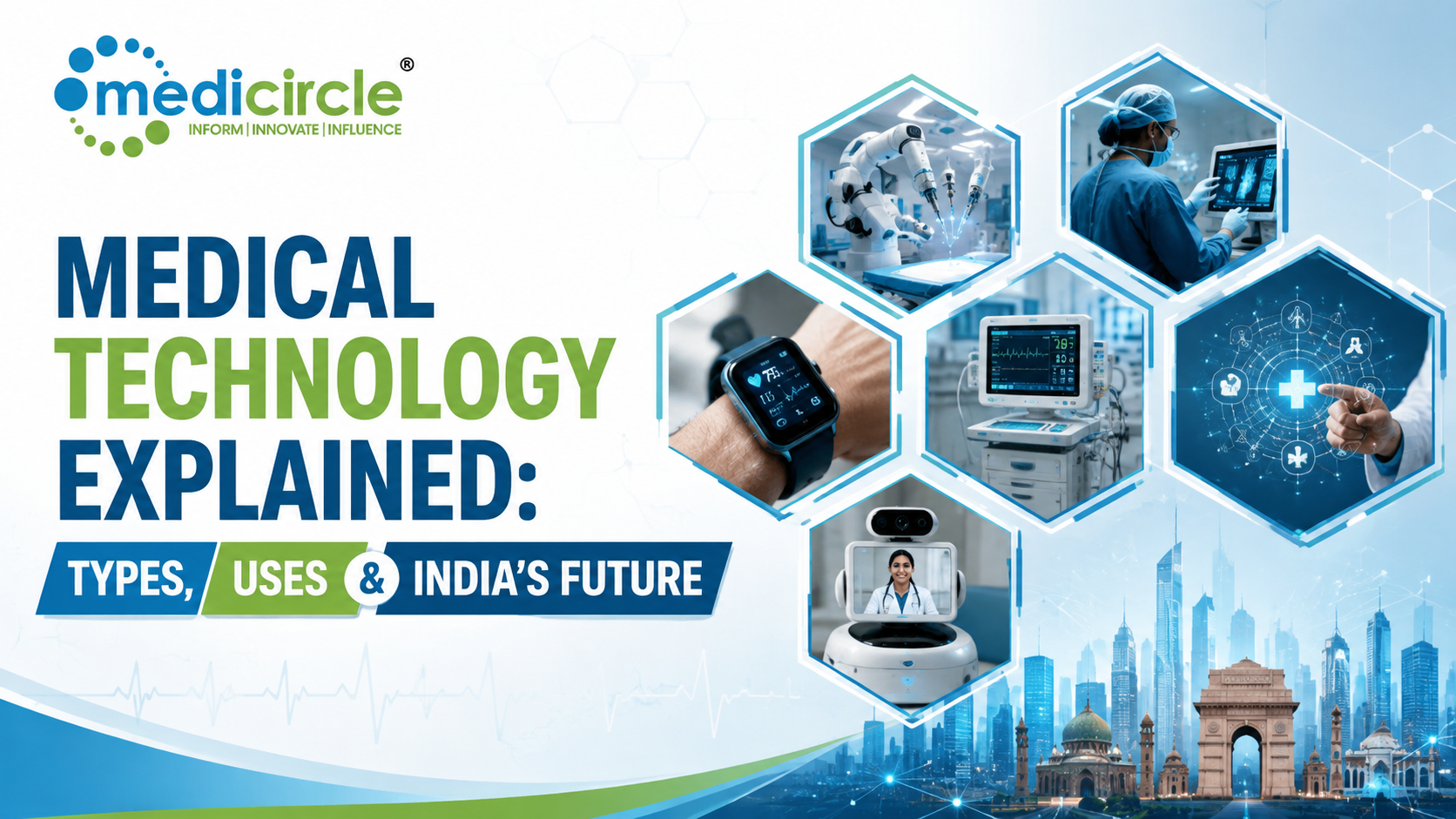
 Medical technology encompasses devices, diagnostics, digital tools, and systems that improve healthcare delivery. This article explores its types, development, regulation, and transformative role in India's evolving healthcare ecosystem.





Introduction
Medical technology sits at the heart of every meaningful advancement in modern healthcare. It shapes the way diseases are detected, the way treatment decisions are made, and the way patients recover. Yet for many people, the term remains vague, covering everything from a digital thermometer to a robotic surgical system without a clear sense of what connects them or why they matter.
India stands at a particularly important moment in this story. The country carries one of the world's largest burdens of non-communicable diseases, a rapidly ageing population in several states, and a growing demand for quality healthcare in Tier 2 and Tier 3 cities that have long been underserved. Medical technology, when understood and adopted purposefully, holds the potential to address each of these challenges in ways that were not possible even a decade ago.
This article explains medical technology in clear terms, from its foundational definition to its many categories, applications, regulatory landscape, and the particular opportunities it presents within the Indian healthcare ecosystem. Whether one is a healthcare professional looking to understand the broader landscape, a medical student building foundational knowledge, or a patient trying to make sense of the tools being used in their care, this guide provides a trustworthy and thorough starting point.
Understanding Medical Technology: Definition and Core Concept
Medical technology refers to the practical application of scientific knowledge, tools, and systems developed to prevent, diagnose, monitor, treat, or rehabilitate health conditions. It encompasses a wide spectrum of innovations, including medical devices, diagnostic equipment, pharmaceutical agents, digital health solutions, surgical procedures, and the organisational systems that support their use within healthcare settings.
A key characteristic of medical technology is that it is purpose-driven. Every tool or system within this category exists to improve a specific aspect of patient care, whether by detecting a condition earlier, delivering treatment more precisely, reducing hospital stays, minimising the risk of error, or improving the long-term quality of life for patients living with chronic conditions.
The World Health Organization defines health technology broadly as the application of organised knowledge and skills in the form of devices, medicines, vaccines, procedures, and systems developed to solve a health problem and improve quality of lives. This definition is important because it prevents the common mistake of equating medical technology only with expensive machines or cutting-edge gadgets. A surgical checklist, a structured triage protocol, or an electronic health record system is as much a part of medical technology as an MRI scanner or a robotic surgical arm.
In India, the medical technology sector is regulated primarily by the Central Drugs Standard Control Organisation (CDSCO) under the Ministry of Health and Family Welfare, through the Medical Devices Rules, 2017. The regulatory framework classifies medical devices into four risk-based categories, ranging from Class A (low risk) to Class D (high risk), and has been progressively strengthened to ensure that devices reaching Indian patients meet internationally recognised standards of safety and performance.
Major Categories of Medical Technology
Medical technology is a broad field, and understanding its major categories helps clarify both its scope and its relevance to everyday healthcare.
Diagnostic TechnologiesDiagnostic technologies form the foundation of evidence-based medicine. These include imaging systems such as X-ray machines, ultrasound units, CT scanners, and MRI systems; laboratory diagnostic tools such as haematology analysers, biochemistry analysers, and point-of-care testing devices; and emerging technologies such as molecular diagnostics and next-generation sequencing. In India, diagnostic accessibility remains a significant challenge. According to the Indian Council of Medical Research (ICMR), a large proportion of diagnostic testing infrastructure is concentrated in urban centres, leaving rural and semi-urban populations dependent on limited local facilities. Expanding access to affordable diagnostic technology is therefore one of the sector's most urgent priorities.
Therapeutic and Interventional TechnologiesThese include devices and systems used directly in the treatment of disease. Examples range from surgical instruments and implantable devices such as cardiac stents and orthopaedic implants to infusion systems, dialysis machines, and radiation therapy equipment. India performs a growing number of complex cardiac, orthopaedic, and oncological procedures each year, and demand for high-quality therapeutic medical devices continues to rise.
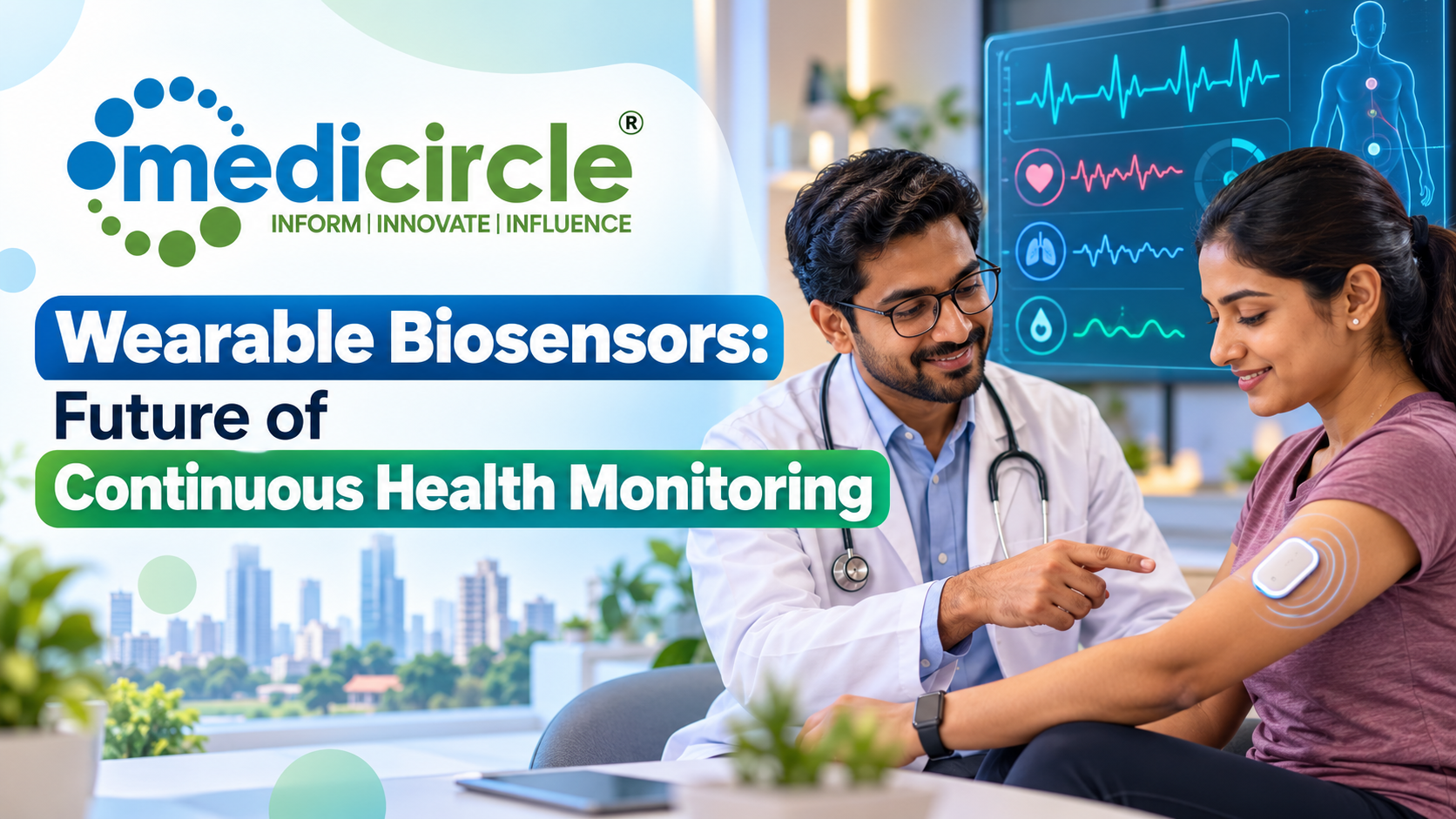
Monitoring and Wearable TechnologiesPatient monitoring systems, including bedside monitors in intensive care units, remote patient monitoring platforms, and consumer-grade wearable devices such as smartwatches and fitness bands with health tracking capabilities, represent one of the fastest-growing segments of medical technology globally. In India, the post-pandemic period has significantly accelerated the adoption of wearable and remote monitoring tools, particularly among urban populations managing conditions such as hypertension, diabetes, and cardiac arrhythmias.
Digital Health and Health Information TechnologiesElectronic health records (EHR), telemedicine platforms, clinical decision support systems, hospital management software, and artificial intelligence tools designed to assist in diagnosis and clinical workflow optimisation all fall within this category. India's Ayushman Bharat Digital Mission (ABDM), launched by the Government of India, represents a landmark policy effort to build a national digital health infrastructure that links patients, providers, and health data through a unified ecosystem.
Rehabilitation and Assistive TechnologiesProsthetics, orthotics, hearing aids, mobility aids, and assistive communication devices are part of medical technology's rehabilitation arm. For India's large population of individuals living with disabilities and age-related functional limitations, the development of affordable and locally manufactured rehabilitation technology is an area of considerable importance.
How Medical Technology Is Developed and Evaluated
The journey of a medical technology from an idea to clinical use is complex, multi-staged, and rigorous. It begins in research and development, where scientists, engineers, and clinicians collaborate to identify a clinical need, design a solution, and test its basic feasibility. This is followed by pre-clinical testing, typically in laboratory settings or animal models, to assess safety before any human exposure.
Clinical evaluation, which involves systematic testing in human volunteers or patients under controlled conditions, is a critical phase. For devices and diagnostic tools, this may involve feasibility studies, pivotal trials, and post-market clinical follow-up studies. For pharmaceutical products, the framework of Phase I through Phase IV trials is well established internationally and in India through the Central Drugs Standard Control Organisation and the guidelines set by the Indian Council of Medical Research.
A significant insight from the history of medical technology development is that the process is rarely linear. Technologies often undergo iterative modification during and after clinical use. Surgical techniques evolve through incremental refinement. Diagnostic thresholds are recalibrated as larger datasets become available. Devices are redesigned in response to real-world feedback from clinicians and patients. This iterative nature means that Health Technology Assessment (HTA) remains an ongoing responsibility, not a one-time event.
In India, the Health Technology Assessment in India (HTAIn) programme, established under the Department of Health Research, Ministry of Health and Family Welfare, plays a growing role in guiding evidence-based decisions about the adoption and pricing of medical technologies within the public health system. The programme assesses the clinical effectiveness, safety, cost-effectiveness, and broader social implications of new technologies before they are introduced into national health programmes or government procurement processes.
The Role of Medical Technology in Transforming Indian Healthcare
India's healthcare landscape is undergoing a significant transformation, and medical technology is central to this change across several dimensions.
Expanding Access in Underserved RegionsOne of the most powerful applications of medical technology in the Indian context is its potential to extend quality care beyond urban hospitals to primary health centres, community health centres, and rural areas. Portable diagnostic devices, point-of-care testing kits, and solar-powered medical equipment are being deployed in remote settings to bring essential diagnostic services closer to underserved populations. Government programmes such as Ayushman Bharat, which covers over 50 crore beneficiaries under its health protection scheme, are increasingly relying on digital and technological infrastructure to deliver their commitments.
Reducing Diagnostic DelaysLate diagnosis remains a major contributor to poor health outcomes in India, particularly for conditions such as tuberculosis, cancer, and cardiovascular disease. Medical technology, especially in the form of rapid diagnostic tests, AI-assisted imaging interpretation, and tele-radiology platforms, is helping reduce the time between symptom onset and confirmed diagnosis. ICMR and the National TB Elimination Programme have supported the deployment of molecular diagnostic platforms such as CBNAAT and TrueNat across districts nationwide to improve tuberculosis detection rates.
Supporting Preventive and Chronic Disease ManagementIndia bears a disproportionate burden of chronic non-communicable diseases. The Indian Council of Medical Research reports that cardiovascular diseases, diabetes, chronic respiratory conditions, and cancer collectively account for approximately 63 percent of all deaths in India. Medical technology plays an essential role in preventive screening, early detection, and the long-term monitoring of patients living with these conditions. Remote patient monitoring tools and mobile health applications are enabling patients in both urban and rural settings to manage chronic conditions with greater consistency and confidence.
Strengthening Surgical and Specialist CareAdvanced surgical technologies, including laparoscopic equipment, endoscopy systems, robotic-assisted surgery platforms, and high-precision anaesthesia delivery systems, are progressively becoming available in Indian hospitals, including those in mid-sized cities. Medical colleges and teaching hospitals accredited by the National Medical Commission (NMC) and National Accreditation Board for Hospitals and Healthcare Providers (NABH) are increasingly integrating simulation-based training and advanced surgical technologies into their training infrastructure.
Challenges Facing Medical Technology Adoption in India
Despite its significant promise, the adoption of medical technology in India faces several systemic challenges that healthcare stakeholders, policymakers, and industry partners must address collaboratively.
- Affordability and Cost of Devices: Many advanced medical technologies carry a cost that places them beyond the reach of a majority of public health facilities and private practitioners outside of metropolitan centres. The import dependency of India's medical device sector, with approximately 70 to 80 percent of high-value devices being imported, contributes directly to elevated costs.
- Regulatory Capacity and Speed: While India's regulatory framework for medical devices has improved significantly since the Medical Devices Rules of 2017 came into force, timelines for device approvals and the capacity for post-market surveillance remain areas requiring further strengthening.
- Infrastructure Gaps: Many medical technologies require reliable electricity, temperature-controlled storage, clean water, trained technical staff, and maintenance support to function correctly. In rural and remote settings, these prerequisites are frequently absent, limiting the real-world deployment of even well-designed technologies.
- Trained Human Capital: The effective use of medical technology depends on well-trained healthcare professionals. Gaps in technology training within medical curricula, nursing education, and allied health professional programmes can result in underutilisation or misuse of available technologies.
- Data Privacy and Interoperability: As digital health technologies proliferate, ensuring that patient data is handled securely and that disparate systems can communicate with each other effectively is an emerging but critical challenge. The Digital Personal Data Protection Act, 2023, and the ABDM's evolving data governance framework are steps in the right direction, but implementation remains a work in progress.
Prevention and the Proactive Use of Medical Technology
Medical technology is not exclusively a tool for responding to illness. Its role in disease prevention and proactive health management is equally significant and perhaps even more impactful from a population health perspective.
Screening programmes powered by point-of-care diagnostic devices, mobile health vans equipped with basic diagnostic tools, and AI-supported screening algorithms for conditions such as diabetic retinopathy and cervical cancer are expanding the reach of preventive healthcare in India. The Government of India's National Health Programme for Non-Communicable Diseases has increasingly incorporated technology-driven screening protocols into its implementation framework.
Vaccination logistics, including cold chain management technologies that preserve the integrity of vaccines across India's vast geographical and climatic diversity, represent another critical domain where medical technology directly enables preventive healthcare outcomes. The Electronic Vaccine Intelligence Network (eVIN), supported by the Ministry of Health and Family Welfare and implemented with the support of the United Nations Development Programme, uses digital technology to monitor vaccine stocks and temperatures across thousands of storage points nationwide.
For individuals, wearable health monitoring devices, health-tracking mobile applications, and telemedicine consultations are gradually enabling a shift from reactive healthcare, seeking care only when symptoms appear, to proactive health management based on continuous data and regular virtual touchpoints with clinical professionals.
Frequently Asked Questions
Q1: What is the difference between a medical device and medical technology?
A medical device is a specific product, such as a blood glucose monitor or an MRI machine, designed for a healthcare purpose. Medical technology is a broader term that includes medical devices, pharmaceutical agents, diagnostic procedures, surgical techniques, digital health tools, and the organisational systems that support healthcare delivery. All medical devices are part of medical technology, but not all medical technology consists of devices.
Q2: How is medical technology regulated in India?
In India, medical devices and in-vitro diagnostic devices are regulated by the Central Drugs Standard Control Organisation (CDSCO) under the Medical Devices Rules, 2017. Devices are classified into four risk-based categories. Manufacturers and importers are required to obtain licences before marketing devices in India, and the regulatory framework includes provisions for quality standards, adverse event reporting, and post-market surveillance.
Q3: What is Health Technology Assessment and why does it matter in India?
Health Technology Assessment (HTA) is a structured process for evaluating the clinical effectiveness, safety, cost-effectiveness, and social implications of medical technologies before they are adopted for widespread use. In India, the HTAIn programme under the Department of Health Research conducts these assessments to guide government decisions on technology adoption and pricing within national health programmes, ensuring that public funds are directed toward technologies that offer the greatest benefit.
Q4: How is artificial intelligence being used in medical technology in India?
Artificial intelligence is being applied across several areas of medical technology in India, including AI-assisted interpretation of diagnostic images such as chest X-rays and retinal scans, clinical decision support tools that assist physicians in treatment planning, natural language processing systems for electronic health records, predictive analytics for disease outbreak monitoring, and AI-driven triaging tools in telemedicine platforms. Several Indian healthtech companies and hospital networks are developing and deploying AI-based tools with support from government initiatives and private investment.
Q5: What government initiatives support medical technology development in India?
Several government initiatives support the development and adoption of medical technology in India. These include the Production Linked Incentive (PLI) Scheme for Medical Devices, which incentivises domestic manufacturing; the Ayushman Bharat Digital Mission (ABDM), which builds the digital health infrastructure for the country; the Medical Devices Park Scheme, which supports the creation of dedicated manufacturing clusters; and the HTAIn programme, which evaluates technologies for adoption into national health programmes. The Ministry of Health and Family Welfare and the Department of Pharmaceuticals jointly oversee many of these initiatives.
Resources
- Central Drugs Standard Control Organisation (CDSCO), Ministry of Health and Family Welfare, Government of India: Regulatory guidelines, device classification, licensing requirements, and post-market surveillance framework for medical devices in India.
- Indian Council of Medical Research (ICMR): Evidence-based guidelines, national disease burden data, and research publications relevant to medical technology evaluation and adoption in Indian settings.
- Ayushman Bharat Digital Mission (ABDM), National Health Authority: Policy documents, implementation frameworks, and digital health ecosystem standards for India's national digital health infrastructure.
- World Health Organization (WHO) India Country Office: Global and India-specific data on health technology, essential medicines, and medical device access in low- and middle-income countries.
- Health Technology Assessment in India (HTAIn), Department of Health Research, Ministry of Health and Family Welfare: Published HTA reports, methodology guidelines, and evidence summaries used for healthcare technology decision-making in India.
Interlinking Keywords
medical devices in India, health technology assessment India, telemedicine India, Ayushman Bharat Digital Mission, AI in Indian healthcare, CDSCO medical device regulations, digital health India, chronic disease management technology, diagnostic technology India, medical education and technology
Last medically reviewed by:
Editorial and Medical Review Team, Medicircle on 18 August 2025
Medical Disclaimer:
This article is intended for general informational and educational purposes only. It does not constitute medical advice, diagnosis, or treatment recommendations. Readers are advised to consult a qualified and registered medical professional before making any decisions related to their health or medical care. Medicircle does not endorse any specific medical device, technology, product, or treatment mentioned in this article.





-23-300x250.png)

.jpeg)


.jpg)
.jpg)
.jpg)
.jpg)
.jpg)
.jpg)
.jpg)
.jpg)
.jpg)