Sunday, October 25, 2026
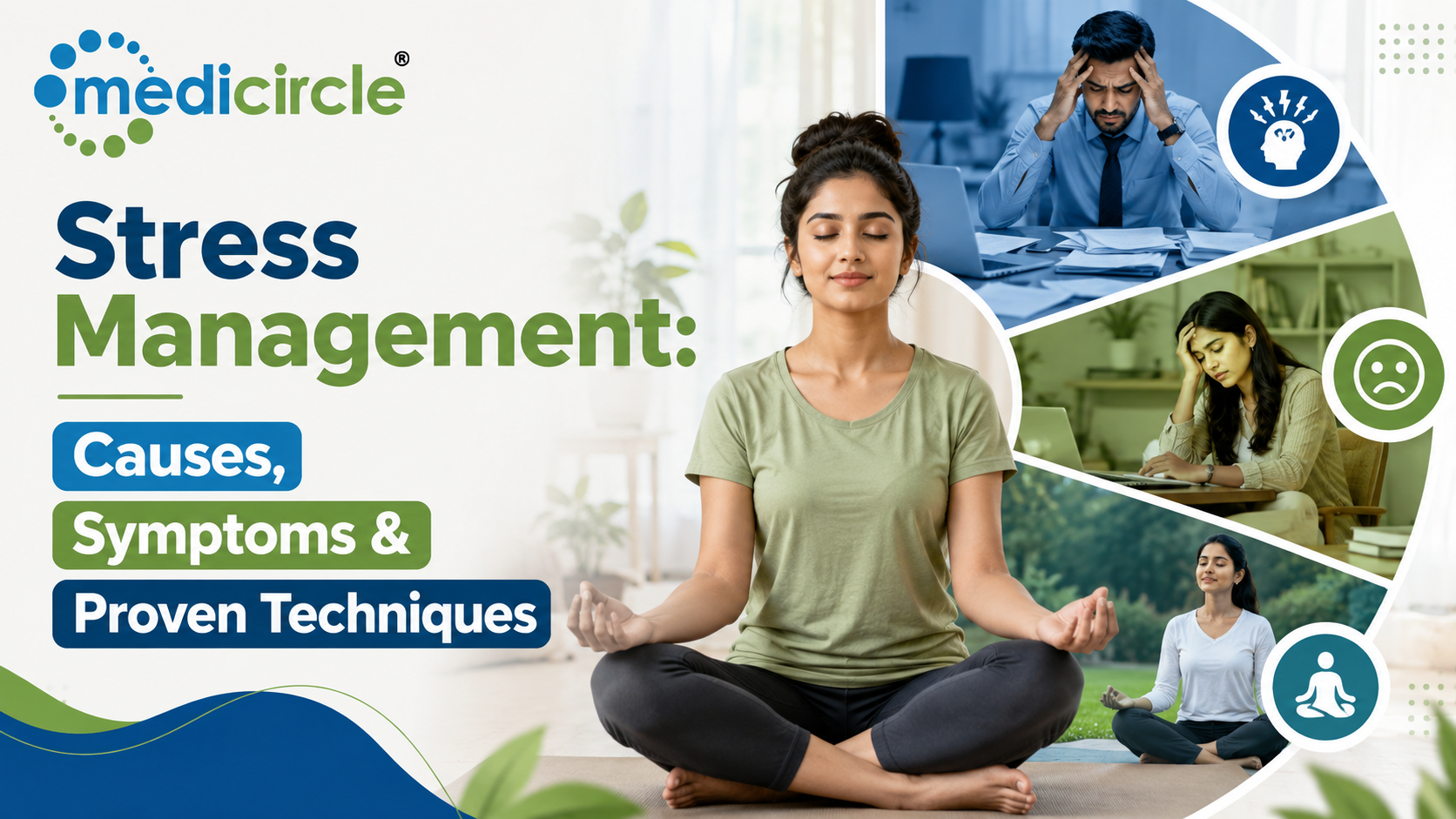
 Stress management involves evidence-based psychological, lifestyle, and medical strategies. This guide addresses causes, symptoms, diagnosis, treatment, and prevention, with focus on Indian healthcare context and cultural relevance.





Introduction
Stress has become one of the most pressing yet underacknowledged health concerns in India today. From the fast-paced corridors of corporate offices in Mumbai and Bengaluru to the examination halls of competitive coaching institutes in Kota, from the bustling households of Tier 2 cities to the agricultural fields of rural Maharashtra, stress touches virtually every segment of Indian society. According to a survey by the Indian Psychiatry Society, over 20 percent of India's population suffers from some form of mental health condition, with stress being a primary contributing factor.
What makes this figure particularly concerning is that most Indians experiencing stress either dismiss it as a normal part of life or feel too stigmatised to seek help. The result is a quiet epidemic, one that does not always show up in hospital admission records but steadily undermines the quality of life, productivity, relationships, and long-term health of millions.
Understanding stress management is not about eliminating all difficulty from life. It is about building the awareness, skills, and habits that allow a person to respond to life's demands without allowing those demands to cause lasting physical and psychological harm. This article offers a medically informed, practically grounded guide to recognising, understanding, and managing stress, written specifically for the Indian context.
Understanding the Basics: What Is Stress and How Does It Work
Stress is a natural physiological and psychological response to perceived demands, threats, or pressures. When the human brain interprets a situation as threatening or overwhelming, it activates the hypothalamic-pituitary-adrenal (HPA) axis, triggering the release of stress hormones such as cortisol and adrenaline. This response, commonly known as the fight-or-flight mechanism, was designed to help early humans survive physical threats. It increases heart rate, sharpens focus, redirects blood flow to muscles, and temporarily suppresses non-essential functions such as digestion and immunity.
In short bursts, this stress response is not only harmless but actually useful. It can sharpen concentration before an important presentation, motivate a student to study harder before an examination, or help a person respond quickly in an emergency. This type of short-term, goal-directed stress is sometimes called eustress.
The problem arises when the stress response is activated repeatedly or remains switched on for prolonged periods without adequate recovery. Modern life, particularly in urban India, is full of chronic stressors: long commutes, job insecurity, financial pressure, academic competition, family obligations, social media comparison, and more recently, the mental health aftermath of the COVID-19 pandemic. When the body stays in a state of sustained stress activation, cortisol levels remain elevated, and the cumulative damage to the body's systems begins.
It is also important to understand that stress is deeply subjective. What feels overwhelming to one person may feel manageable to another. Stress tolerance varies based on personality, past experiences, social support, coping skills, and even genetics. This subjectivity is why stress management must always be personalised rather than prescriptive.
Primary Causes and Risk Factors: Why Indians Are Particularly Vulnerable
While stress is a universal human experience, certain structural and cultural factors make the Indian population especially susceptible to high and sustained stress levels.
Work-related stress is among the most commonly reported stressors in India. A 2023 survey by Deloitte found that 80 percent of Indian professionals reported burnout, driven by long working hours, unclear job expectations, limited autonomy, and always-on digital communication culture. The pressure of performance reviews, job insecurity in volatile economic sectors, and workplace conflict all compound this further.
Academic pressure is another deeply embedded source of stress in Indian society. The highly competitive nature of entrance examinations such as JEE, NEET, UPSC, and CAT creates a pressure-cooker environment for millions of young people. Parents, peers, and societal expectations often amplify this pressure, leaving adolescents and young adults with little emotional space to process failure or uncertainty.
Financial stress affects a broad cross-section of Indian households. Whether it is the burden of EMI repayments in the urban middle class, agrarian debt in rural communities, or the economic uncertainty faced by daily wage workers, money-related anxiety is a persistent and pervasive stressor across income groups.
Family and relationship dynamics also play a significant role. Joint family structures, intergenerational conflicts, marital discord, caregiving responsibilities for elderly parents, and social obligations all create emotional demands that, over time, can become exhausting.
Health-related stress, particularly following the COVID-19 pandemic, has become increasingly prominent. Concerns about personal health, the health of loved ones, access to quality healthcare, and financial implications of illness all contribute significantly to the stress burden in India.
Risk factors that increase vulnerability to stress-related harm include:
- A history of anxiety, depression, or other mental health conditions
- Limited social support or social isolation
- Unhealthy coping mechanisms such as alcohol use, tobacco dependence, or excessive screen time
- Sleep deprivation
- Chronic physical illness
- Low health literacy and lack of access to mental health resources
Recognising the Symptoms: When Stress Becomes More Than Temporary Pressure
One of the greatest challenges in addressing stress is recognising when it has crossed from manageable to harmful. Many people normalise their symptoms or attribute them to other causes, delaying help-seeking by months or even years.
Stress manifests across three broad dimensions: physical, emotional, and behavioural.
Physical symptoms of chronic stress include persistent headaches, muscle tension particularly in the neck and shoulders, fatigue that does not improve with rest, frequent colds and infections due to suppressed immunity, digestive disturbances such as irritable bowel syndrome, acidity, or appetite changes, elevated blood pressure, skin conditions such as eczema flare-ups, and disrupted sleep patterns including insomnia or hypersomnia.
Emotional and cognitive symptoms include persistent anxiety, irritability, difficulty concentrating, forgetfulness, a sense of being overwhelmed, emotional numbness, low mood, and in severe cases, hopelessness or despair. Many individuals describe feeling like they are always on edge or unable to switch off even when in a safe and calm environment.
Behavioural symptoms include social withdrawal, neglecting responsibilities, increased reliance on alcohol or tobacco, emotional eating or loss of appetite, reduced productivity, procrastination, and declining engagement in activities that were previously enjoyable.
In India, where mental health stigma remains significant, many individuals express psychological distress through physical complaints, a phenomenon known as somatisation. A person under chronic stress may present to a physician with recurrent headaches or stomach problems without connecting these to their emotional state. Healthcare providers and individuals alike must be alert to this pattern.
Diagnosis and Medical Evaluation: Understanding When to Seek Help
Stress itself is not a clinical diagnosis in the traditional medical sense, but its consequences, including anxiety disorders, depression, burnout syndrome, psychosomatic conditions, and cardiovascular disease, are well-documented and require proper medical evaluation.
A general physician or psychiatrist will typically assess stress and its impact through a detailed clinical history, validated psychological screening tools such as the Perceived Stress Scale (PSS) or the Depression Anxiety Stress Scales (DASS-21), and physical examination to rule out organic causes for symptoms.
Blood tests may be ordered to evaluate thyroid function, cortisol levels, vitamin deficiencies (particularly Vitamin D and B12, which are commonly deficient in the Indian population and linked to mood disorders), and cardiovascular markers.
In India, the National Mental Health Programme (NMHP) has made mental health assessment more accessible through community health centres and district hospitals. The Ayushman Bharat Health and Wellness Centres are also progressively integrating basic mental health screening into primary care. Individuals experiencing persistent or worsening stress-related symptoms are encouraged to utilise these public health resources in addition to consulting private practitioners.
It is strongly recommended that a person seek medical evaluation when:
- Symptoms persist beyond two to four weeks despite lifestyle adjustments
- Stress significantly impairs work, relationships, or daily functioning
- Physical symptoms are unexplained by any identified medical cause
- There are thoughts of self-harm or hopelessness
Early evaluation prevents escalation and ensures that any underlying mental health condition is identified and treated appropriately.
Treatment Options and Management Strategies: A Comprehensive Approach
Effective stress management is rarely achieved through a single intervention. It typically involves a combination of psychological, lifestyle, social, and when necessary, pharmacological approaches tailored to the individual's specific circumstances and severity of symptoms.
Psychological InterventionsCognitive Behavioural Therapy (CBT) is widely recognised as one of the most evidence-based interventions for stress and anxiety. It helps individuals identify distorted thinking patterns that amplify stress, challenge these patterns with evidence, and develop healthier ways of interpreting and responding to stressors. CBT can be delivered by trained psychologists, psychiatrists, or counsellors in individual or group settings and is increasingly available through digital mental health platforms in India.
Mindfulness-Based Stress Reduction (MBSR) is another highly effective approach. Originally developed at the University of Massachusetts, MBSR combines mindfulness meditation, body scan exercises, and gentle yoga to help individuals develop a non-reactive awareness of their thoughts and bodily sensations. Research published in multiple peer-reviewed journals confirms significant reductions in perceived stress, anxiety, and burnout following MBSR programmes.
Physical Activity and MovementRegular physical activity is one of the most powerful and accessible stress reduction tools available. Exercise stimulates the release of endorphins, serotonin, and dopamine, all of which positively influence mood, energy, and sleep. For Indians living in urban environments with limited outdoor access, even a 30-minute brisk walk, a yoga session at home, or participation in a local gym can make a meaningful difference. The Indian tradition of yoga, which integrates physical postures (asanas), breathing techniques (pranayama), and meditative practices, offers a culturally resonant and scientifically validated approach to stress management.
Breathwork and Relaxation TechniquesDiaphragmatic or belly breathing activates the parasympathetic nervous system, shifting the body away from its fight-or-flight state and toward a state of calm. Pranayama techniques such as Anulom Vilom (alternate nostril breathing), Bhramari (humming bee breath), and Sheetali (cooling breath) have been used for centuries in Indian practice and are now supported by evidence from clinical research.
Progressive Muscle Relaxation (PMR) is another effective technique in which the individual alternately tenses and releases different muscle groups in the body, promoting physical relaxation and reducing the somatic tension associated with stress.
Sleep HygieneChronic stress and poor sleep exist in a mutually reinforcing cycle. Stress disrupts sleep, and sleep deprivation worsens stress reactivity. Establishing consistent sleep hygiene practices is therefore a critical component of stress management. These include maintaining a regular sleep and wake schedule, avoiding screens for at least 60 minutes before bedtime, creating a cool and dark sleeping environment, limiting caffeine after midday, and using relaxation techniques before sleep.
Social Connection and SupportStrong social ties are consistently linked to better stress resilience. Spending meaningful time with family and friends, engaging with community or religious groups, and seeking peer support all provide emotional buffering against stress. In the Indian context, joint family structures and close-knit communities can serve as important protective factors when relationships within them are healthy and supportive.
Pharmacological TreatmentIn cases where stress has led to a clinical anxiety disorder or depression, medication may be prescribed alongside psychological intervention. Selective serotonin reuptake inhibitors (SSRIs) and other anxiolytics may be used under the supervision of a psychiatrist. Medication is not a standalone solution and is most effective when combined with therapy and lifestyle modification. Self-medicating with supplements or Ayurvedic formulations without professional guidance is not advisable.
Prevention and Proactive Health Measures: Building Stress Resilience for the Long Term
Prevention is far more effective than treatment when it comes to chronic stress. Building stress resilience means developing the habits, mindsets, and social resources that reduce vulnerability before stress escalates into a health crisis.
Developing emotional literacy is an important starting point. Many Indians, particularly men, are socialised to suppress emotional expression. Learning to identify, name, and process emotions constructively, whether through journaling, therapy, or open conversations with trusted individuals, builds psychological strength over time.
Time management and boundary setting are practical skills that directly reduce stress load. Prioritising tasks, delegating where possible, learning to say no to unreasonable demands, and protecting time for rest and recreation are habits that prevent overwhelm from accumulating.
Nutrition and gut health also play a role in stress regulation. Research increasingly points to the gut-brain axis as a key mechanism through which diet influences mood and stress response. A balanced diet rich in whole grains, vegetables, fruits, lean proteins, and healthy fats supports both physical and mental health. The traditional Indian diet, when prepared with fresh and minimally processed ingredients, offers many of these protective nutrients naturally.
Digital detox practices are increasingly important in an era of constant connectivity. Limiting social media consumption, turning off non-essential notifications, and designating device-free hours during the day can significantly reduce the cognitive load and social comparison anxiety that digital environments generate.
Workplace mental health programmes are gaining traction in India. Forward-thinking organisations are now integrating Employee Assistance Programmes (EAPs), stress management workshops, and mental health days into their human resources frameworks. Employees should actively advocate for and utilise these resources.
Platforms such as Medicircle play an important role in prevention by making credible, expert-led health information accessible to a wide audience. When individuals are well-informed about the signs, causes, and management strategies for stress, they are better positioned to take early action rather than waiting until the situation becomes clinically significant.
Frequently Asked Questions
Q1: What are the most effective stress management techniques for working professionals in India?
Effective techniques include mindfulness meditation, diaphragmatic breathing, regular physical activity, setting clear work-life boundaries, and seeking cognitive behavioural therapy when stress becomes chronic. Building a consistent sleep routine and maintaining strong social connections also contribute significantly to stress resilience for working professionals.
Q2: How does chronic stress affect physical health?
Chronic stress can lead to high blood pressure, cardiovascular disease, weakened immunity, digestive disorders including irritable bowel syndrome, sleep disturbances, hormonal imbalances, and increased risk of type 2 diabetes. These effects develop gradually and often go unrecognised until they reach a clinically significant threshold, which is why early stress management is essential.
Q3: Can yoga and Ayurveda help in managing stress?
Yes. Yoga, particularly practices that incorporate pranayama and meditation, has strong scientific support for reducing perceived stress, anxiety, and cortisol levels. Certain Ayurvedic approaches, including Ashwagandha supplementation and Abhyanga (self-massage), are used as complementary strategies. These should always be pursued alongside conventional medical guidance and not as replacements for professional care.
Q4: When should a person see a doctor for stress-related symptoms?
A person should consult a doctor when stress-related symptoms persist for more than two to four weeks, when they significantly interfere with work, relationships, or daily functioning, or when they are accompanied by chest pain, persistent insomnia, or any thoughts of self-harm. Early consultation prevents escalation and allows for timely, appropriate intervention.
Q5: Is stress management covered under any Indian government mental health initiative?
Yes. The National Mental Health Programme (NMHP) provides community-level mental health services including counselling across India. The Ayushman Bharat Health and Wellness Centres are progressively integrating mental health screening and basic stress management support into their primary care services. Individuals in both urban and rural areas can access these facilities for initial assessment and referral.
Resources
- World Health Organization (WHO): Mental Health and Stress: Global guidelines and evidence-based frameworks on stress, mental health, and wellbeing from the WHO's official knowledge repository.
- Indian Council of Medical Research (ICMR): Mental Health Research Publications: Peer-reviewed Indian data on mental health prevalence, stress burden, and public health interventions.
- Ministry of Health and Family Welfare, Government of India (mohfw.gov.in): National Mental Health Programme: Information on government-funded mental health services, policies, and district-level resources available to Indian citizens.
- National Institute of Mental Health and Neurosciences (NIMHANS), Bengaluru: India's premier mental health institution offering clinical guidelines, public education resources, and research on stress-related conditions.
- PubMed (pubmed.ncbi.nlm.nih.gov): Peer-Reviewed Research on Stress Management: Access to thousands of published clinical studies on stress physiology, psychological interventions, and lifestyle approaches.
Interlinking Keywords
mental health awareness India, signs of anxiety disorder, yoga for stress relief, mindfulness meditation benefits, work-life balance tips, cognitive behavioural therapy India, burnout symptoms, sleep hygiene tips, Ayushman Bharat mental health, emotional wellbeing
Last medically reviewed by:
Editorial Medical Team, Medicircle on 17 August 2026
Medical Disclaimer:
This article is intended for general informational and educational purposes only. It does not constitute medical advice, diagnosis, or treatment. The information provided should not be used as a substitute for consultation with a qualified medical professional. Readers experiencing stress-related symptoms are strongly encouraged to seek guidance from a licensed physician, psychiatrist, or mental health counsellor. Medicircle does not endorse any specific treatment, product, or healthcare provider mentioned in this article.





-23-300x250.png)

.jpeg)


.jpg)
.jpg)
.jpg)
.jpg)
.jpg)
.jpg)
.jpg)
.jpg)
.jpg)