Sunday, October 25, 2026
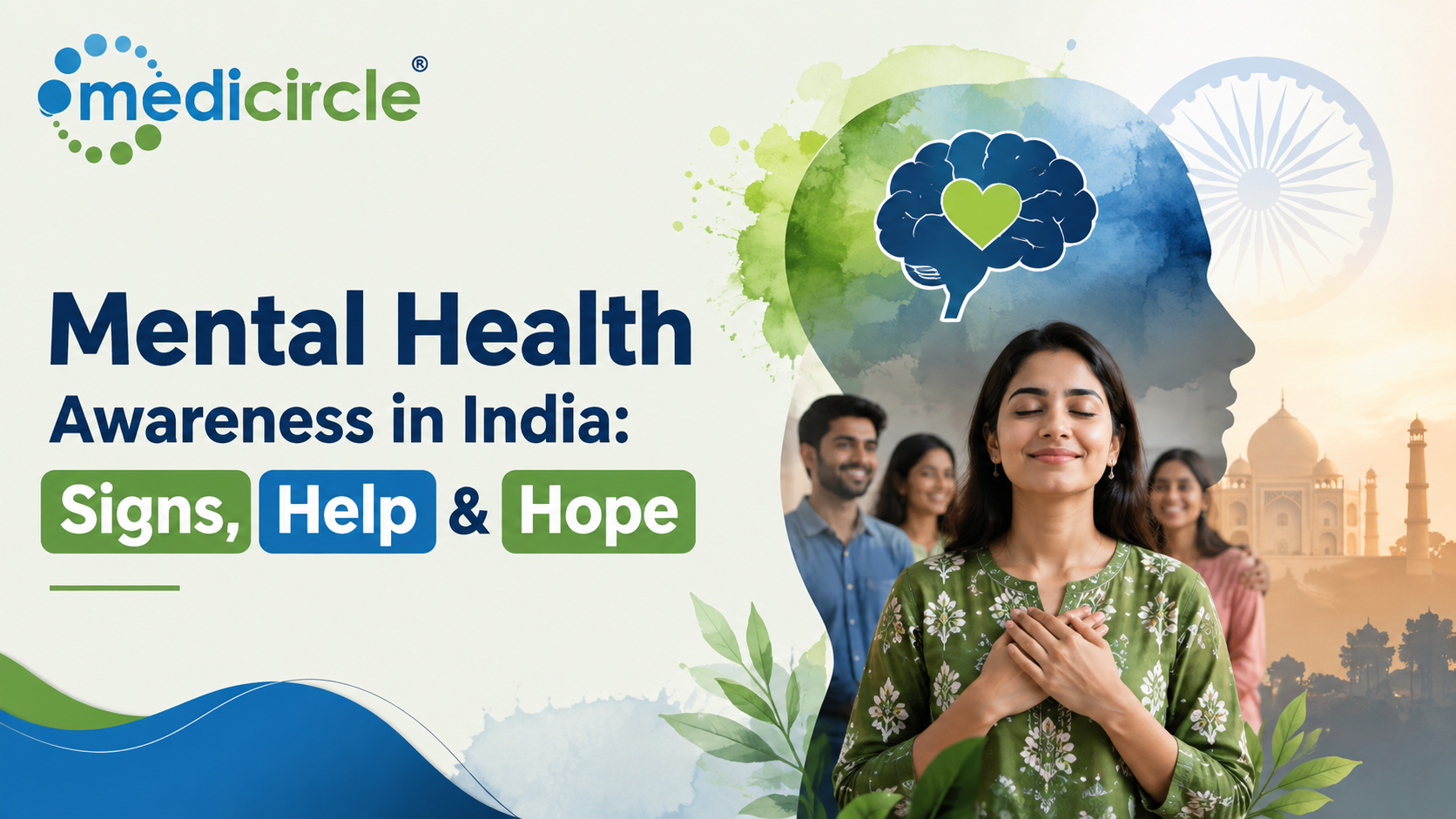
 Mental health awareness in India addresses a critical public health gap, helping individuals recognize symptoms early, reduce stigma, access treatment, and support community well-being.





Introduction: Why Mental Health Can No Longer Be India's Silence
Mental health is not a topic that exists at the margins of healthcare. It sits at the very center of a person's ability to live, function, work, maintain relationships, and contribute to society. Yet for decades, it has been treated as something to be hidden, minimized, or dismissed altogether, particularly in the Indian context.
The numbers alone demand attention. According to the National Mental Health Survey of India conducted by the National Institute of Mental Health and Neurosciences (NIMHANS), approximately 150 million Indians require active mental health interventions at any given time. The World Health Organization has identified India's suicide rate at 15.7 per 100,000 population, which is higher than both the regional and global averages. Suicide remains the leading cause of death among young Indians aged 15 to 29 years.
These are not abstract statistics. They represent individuals in families, schools, workplaces, and communities across every Indian state, from metropolitan cities like Mumbai and Delhi to smaller towns in Bihar, Assam, and Rajasthan. Mental health awareness, therefore, is not a luxury or a trend. It is a public health imperative that India can no longer afford to ignore.
Medicircle, as a platform committed to credible healthcare communication, recognizes that bridging the gap between expert knowledge and public understanding is one of the most meaningful contributions that healthcare media can make. This article is a step in that direction.
Understanding Mental Health: Beyond the Misconceptions
Before awareness can grow, clarity must replace confusion. Mental health refers to a person's overall emotional, psychological, and social well-being. It influences how people think, feel, and behave in daily life. It also affects how individuals manage stress, relate to others, and make choices.
A mental health condition, often referred to as a mental illness or mental disorder, is not a character flaw, a lack of willpower, or a spiritual failing. It is a medical condition rooted in neurobiological, genetic, environmental, and psychosocial factors. Just as the heart or the lungs can develop disease, so can the brain.
The two most prevalent categories of mental health disorders seen both globally and in India include:
- Anxiety disorders: These include generalized anxiety disorder, panic disorder, post-traumatic stress disorder (PTSD), obsessive-compulsive disorder (OCD), and social anxiety. More than 19 percent of adults struggle with some form of anxiety disorder at some point in their lives.
- Mood disorders: Depression and bipolar disorder fall under this category. Depression alone is projected by the WHO to become the leading cause of disease burden globally in the coming decades.
Beyond these two categories, conditions such as schizophrenia, substance use disorders, eating disorders, and neurodevelopmental conditions like ADHD also form a significant part of India's mental health burden. The Indian Council of Medical Research (ICMR) has highlighted that schizophrenia and psychosis are vastly underdiagnosed in rural India due to a combination of literacy barriers, cultural beliefs, and a severe shortage of mental health professionals.
Understanding what mental illness actually is, medically and scientifically, is the first and most important step toward reducing the fear and stigma that surrounds it.
Primary Causes and Risk Factors of Mental Health Disorders
Mental health conditions do not arise from a single cause. They emerge from the interaction of multiple factors, and recognizing these factors helps communities respond with greater empathy and effectiveness.
Genetic and biological factors play a meaningful role. Research indicates that individuals with a family history of depression, schizophrenia, or bipolar disorder face a higher risk of developing similar conditions. Brain chemistry, specifically the regulation of neurotransmitters such as serotonin, dopamine, and norepinephrine, is also deeply connected to mood and behavior.
Environmental and social stressors are equally significant, particularly in the Indian context. Factors such as poverty, unemployment, academic pressure, gender-based violence, casteism, discrimination, relationship breakdown, and social isolation are well-documented contributors to mental health deterioration. Young Indians face intense pressure related to board examinations, competitive entrance tests like JEE and NEET, and increasingly precarious job markets.
Trauma and adverse childhood experiences (ACEs) represent another major risk category. Physical abuse, neglect, exposure to domestic violence, and early bereavement are known to significantly increase the risk of depression, anxiety, and PTSD in later life.
Chronic physical illness such as diabetes, heart disease, and cancer often co-exists with mental health conditions, particularly depression. The bidirectional relationship between physical and mental health is now well-established in medical literature, and ignoring one while treating the other leads to poorer outcomes in both.
In India specifically, the urban-rural divide creates additional layers of risk. Rural populations face limited access to mental health services, greater stigma, and dependence on informal systems of support that may delay or discourage professional treatment.
Recognizing the Symptoms: When to Seek Help
One of the most impactful contributions of mental health awareness is helping individuals, families, and communities recognize the signs of distress early. Early recognition leads to earlier intervention, and earlier intervention significantly improves long-term outcomes.
Mental health symptoms can be emotional, behavioral, cognitive, or physical in nature. They may develop gradually or appear more suddenly following a triggering event.
Key warning signs that warrant professional attention include:
- Persistent sadness, emptiness, or hopelessness lasting more than two weeks
- Withdrawal from family, friends, work, or activities that previously brought joy
- Significant changes in sleep patterns, whether insomnia or excessive sleep
- Unexplained changes in appetite or body weight
- Difficulty concentrating, remembering, or making decisions
- Intense and persistent worry or fear that feels uncontrollable
- Episodes of extreme emotional highs followed by deep lows
- Hearing or seeing things that others do not
- Recurrent thoughts of death, self-harm, or suicide
- Increased use of alcohol or substances as a coping mechanism
- Unexplained physical symptoms such as headaches, fatigue, or digestive problems without a clear medical cause
In the Indian setting, it is important to understand that mental health symptoms frequently present through physical complaints. This phenomenon, known as somatization, is particularly common when individuals feel unable to express emotional distress directly due to social or cultural norms. A person complaining repeatedly of headaches, chest pain, or stomach problems with no identifiable medical cause may be experiencing significant psychological distress.
Family members, teachers, employers, and community leaders are often the first to notice behavioral changes. Cultivating an environment where these observations can be communicated safely and compassionately is one of the most practical outcomes of sustained mental health awareness.
Diagnosis and the State of Mental Healthcare in India
Mental health diagnosis in India faces a unique set of challenges that are important to acknowledge without minimizing the real progress that has been made.
India has fewer than 0.3 psychiatrists per 100,000 population, compared to the global average of 1.7 per 100,000. The country has approximately 9,000 psychiatrists serving a population of over 1.4 billion people. Clinical psychologists, psychiatric social workers, and psychiatric nurses are similarly scarce, with distributions heavily skewed toward urban centers.
The treatment gap in India, which measures the difference between those who need mental healthcare and those who actually receive it, stands between 76 and 85 percent according to data cited in peer-reviewed psychiatric literature. This means that the vast majority of Indians living with a mental health condition are receiving no treatment at all.
Despite this, diagnosis, when accessed can be meaningful and life-changing. A trained psychiatrist or psychologist evaluates mental health through a combination of clinical interviews, behavioral observation, standardized psychological assessment tools, and, where relevant, medical investigations to rule out underlying physical causes.
The Government of India's National Mental Health Programme (NMHP) and the District Mental Health Programme (DMHP) aim to integrate mental health services into the primary healthcare system. Ayushman Bharat, through Health and Wellness Centres, is also beginning to incorporate basic mental health screening into its framework. These are significant policy developments, even if ground-level implementation remains uneven.
Digital mental health platforms and telepsychiatry services have also expanded considerably in recent years, offering Indians in Tier 2 and Tier 3 cities access to mental health consultations without the barrier of geographic distance.
Treatment Options and Management: What Recovery Actually Looks Like
Mental health treatment in India and globally has evolved considerably. It is no longer limited to hospitalization or long-term institutional care. Most individuals with mental health conditions can be treated effectively in outpatient settings, community environments, or even at home with the right support.
Psychotherapy remains one of the most evidence-based treatments available. Cognitive Behavioral Therapy (CBT) is effective for depression, anxiety, and OCD. Interpersonal Therapy (IPT) is widely used for mood disorders. Trauma-focused therapies help individuals process and recover from PTSD. Psychotherapy delivered by trained clinical psychologists can produce lasting, meaningful improvements in mental health.
Pharmacological treatment through psychiatric medications prescribed by a licensed psychiatrist is often necessary for moderate to severe mental health conditions. Antidepressants, anti-anxiety medications, mood stabilizers, and antipsychotics are used appropriately depending on the condition. Self-medication or stopping prescribed medications without medical advice can be dangerous and is strongly discouraged.
Lifestyle-based interventions including regular physical activity, consistent sleep schedules, a balanced diet, mindfulness practices, and reducing substance use form an important part of a comprehensive mental health management plan. Research increasingly supports the role of nutrition and gut health in mental wellbeing.
Community and family support is especially vital in the Indian context where family structures remain strong. Having informed, compassionate family members who do not stigmatize or dismiss mental health symptoms can significantly improve treatment adherence and recovery outcomes.
Government and institutional support systems through NIMHANS, AIIMS Psychiatry departments, state mental health authorities, and NGOs such as iCall, Vandrevala Foundation, and the Live Love Laugh Foundation are available and should be actively promoted.
Prevention and Proactive Mental Health in India: A Roadmap Forward
Prevention in mental health does not mean eliminating all stress or hardship from life. It means building individual and community resilience, reducing risk factors, and creating environments where people are more likely to seek help before reaching a point of crisis.
Mental health literacy is the foundation of prevention. When students learn about emotional regulation, stress management, and the importance of seeking help as part of their school curriculum, stigma begins to reduce at a generational level. The National Education Policy (NEP) 2020 has acknowledged mental wellbeing as part of holistic education, which is a step in the right direction.
Workplace mental health programs are gaining traction among progressive Indian employers. With the organized sector losing significant productivity to depression, anxiety, and burnout, investing in employee wellness is both a humanitarian and economic imperative. HR policies that allow mental health days, employee assistance programs, and access to counselors are becoming markers of forward-thinking organizations.
Media and digital platforms carry enormous responsibility. The way mental health is portrayed in mainstream Indian cinema, news media, and social media shapes public perception more powerfully than any policy document. Responsible, sensitive portrayals of mental illness, combined with accurate information from credible healthcare platforms, can shift the national conversation meaningfully. Platforms like Medicircle play an important role in ensuring that the expert voices of psychiatrists, psychologists, and mental health advocates reach a broad Indian audience in a format that is trustworthy and accessible.
Reducing stigma at the community level remains the most significant challenge. When religious leaders, panchayat heads, teachers, and community influencers speak about mental health with openness and compassion, it gives ordinary people permission to seek help. Community-based mental health programs piloted in states like Kerala and Tamil Nadu have demonstrated that stigma can be reduced significantly through sustained, localized awareness efforts.
The Kiran Mental Health Helpline (1800-599-0019), launched by the Government of India, offers free, round-the-clock, multilingual mental health support. Awareness of this resource alone, especially in rural India, could be the difference between someone in crisis finding help or not.
Frequently Asked Questions
Q1: What are the early warning signs of a mental health condition?
Early warning signs include persistent sadness, withdrawal from social activities, changes in sleep or appetite, unexplained physical complaints, difficulty concentrating, and sudden mood swings lasting more than two weeks. If these signs interfere with daily life, professional consultation is strongly recommended.
Q2: How common are mental health disorders in India?
According to the National Mental Health Survey of India, approximately 150 million Indians need active mental health interventions. The treatment gap in India ranges between 76 and 85 percent, meaning the majority of those affected never receive professional care.
Q3: Is mental illness treatable in India?
Yes, most mental health conditions are treatable with a combination of therapy, medication, lifestyle changes, and community support. Early diagnosis significantly improves outcomes. Government schemes like Ayushman Bharat and programs under the National Mental Health Programme (NMHP) are expanding access to care across India.
Q4: How can I help someone who is struggling with mental health?
Listen without judgment, encourage them to seek professional help, avoid minimizing their feelings, and check in regularly. Reducing stigma begins with how individuals within families and communities respond to those who are struggling. Connecting them with a trusted doctor or mental health professional is always the most important step.
Q5: What is the national helpline for mental health in India?
The Government of India runs the Kiran Mental Health Helpline at 1800-599-0019, which offers free, 24/7 support in multiple Indian languages for individuals in distress. iCall and the Vandrevala Foundation helpline are also widely accessible options.
Conclusion
Mental health awareness in India is at an inflection point. The conversation has begun, and more Indians today are speaking about depression, anxiety, and emotional wellbeing than at any point in previous generations. But awareness must convert into action. It must translate into more trained mental health professionals, better-funded public mental health systems, destigmatized help-seeking behavior, and a healthcare culture that treats the mind with the same urgency and dignity as the body.
Every family member who listens without judgment, every employer who creates a safe space for emotional expression, every teacher who checks in on a struggling student, and every media platform that chooses accuracy over sensationalism contributes to a healthier, more compassionate India. The path forward is neither simple nor short, but it begins with the simple act of paying attention and taking mental health seriously.
Resources
- National Institute of Mental Health and Neurosciences (NIMHANS): India's premier mental health research and clinical institution, offering guidelines, publications, and training resources for mental health in India (nimhans.ac.in)
- World Health Organization (WHO), Mental Health: Global data, policy frameworks, and evidence-based resources on mental health prevention and treatment (who.int/health-topics/mental-health)
- Indian Council of Medical Research (ICMR): Research publications and national data on the burden of mental health disorders in India (icmr.gov.in)
- Ministry of Health and Family Welfare, Government of India: National Mental Health Programme, District Mental Health Programme, and Kiran Helpline information (mohfw.gov.in)
- National Mental Health Survey of India: Comprehensive data on mental health prevalence, treatment gaps, and policy recommendations for India (nimhans.ac.in/national-mental-health-survey)
Interlinking Keywords
mental health disorders in India, signs of depression, anxiety treatment India, mental health stigma, NIMHANS helpline, psychiatric care India, Ayushman Bharat mental health, stress management tips, emotional wellbeing, youth mental health India
Last medically reviewed by:
Editorial Medical Team, Medicircle on 17 August 2026
Medical Disclaimer:
This article is intended for general informational and awareness purposes only. It does not constitute medical advice, diagnosis, or treatment. Readers experiencing mental health concerns should consult a qualified and licensed mental health professional or psychiatrist. Do not delay seeking professional care based on information read in this article. In case of a mental health emergency, please contact the Kiran Mental Health Helpline at 1800-599-0019 (toll-free, available 24/7).





-23-300x250.png)

.jpeg)


.jpg)
.jpg)
.jpg)
.jpg)
.jpg)
.jpg)
.jpg)
.jpg)
.jpg)