Thursday, October 29, 2026

 The landscape of sexual and reproductive health and rights is shifting: millions of women want to avoid pregnancy but are not using a modern method of contraception.





The landscape of sexual and reproductive health and rights is shifting: millions of women want to avoid pregnancy but are not using a modern method of contraception.
Modern contraceptives are essential and life-saving, and yet an estimated 224 million women in developing countries who want to avoid pregnancy are not currently using safe and effective family planning methods.
For most women, the basic human right to choose whether to have children continues to be undermined. They are at risk of losing access to the most basic tools for bodily autonomy and health.
While contraceptives remain essential and lifesaving, yet supply chains, funding streams, and political will are collapsing, while demand is surging among women and girls worldwide. Millions are now at risk of losing access to the most basic tools for bodily autonomy and health.
Experts warn that this is not just a health issue - it is a human rights and economic crisis that threatens decades of progress in gender equality, education, and maternal health.
“Family planning is not only a matter of health, it is a matter of rights,” said UNFPA Executive Director Diene Keita.
“When women and adolescent girls have access to contraceptives, their pregnancies are more likely to be planned and safe, they are more likely to complete school, be employed and fulfil their potential, their children are healthier, and their societies are more prosperous. Contraceptives reduce abortion rates and lower the incidence of death and disability related to complications of pregnancy and childbirth”, she said.
Referring to the economic benefits that contraceptives bring, she said that every $1 spent ending unmet need for contraception yields nearly $27 in economic benefits.
A widening gap in access
In the Asia-Pacific region, more than 140 million women of reproductive age still lack access to modern methods of contraception. The consequences are staggering: an estimated 13 million unplanned pregnancies occur every year, alongside 3.9 million adolescent pregnancies, nearly half of which are unintended. Also fewer than one in four sexually active, unmarried adolescent girls in Asia and the Pacific are using a modern contraceptive method.
Across the region, 64 out of every 1,000 women will experience an unintended pregnancy during their lifetime. For many, this leads to unsafe abortions - a leading cause of maternal death and injury - or forces girls out of school and women out of the workforce.
“The supply, distribution, and availability of contraceptives are simply not keeping up with demand. Persistent supply gaps and funding shortfalls are putting millions of women at risk," says a UNFPA regional report. This is especially true of women living in remote and rural areas.
A looming funding crisis
Despite the proven benefits, global funding for family planning is falling. The issue is being compounded by a decline in global funding for reproductive health supplies. Recent major funding disruptions and proposed cuts by key donors, including the USA, threaten to worsen this crisis significantly, in communities that rely on international family planning funding.
While shortages have been most visible in parts of Africa, UNFPA warns that similar ripple effects are now being felt in Asia and the Pacific. The UNFPA projects a US$ 1.5 billion shortfall in reproductive health commodity financing by 2030 in low- and middle-income countries.
The burden of the funding gap falls disproportionately on poor, marginalised, and vulnerable populations, - those who rely on public healthcare systems.
Beyond health: The social impact
The consequences of unmet family planning needs go far beyond healthcare statistics. Rising unintended pregnancies can lead to increased school dropouts, child marriages, and gender-based violence, especially among adolescent girls
“When contraceptive stocks run low, health systems brace for a spike in unintended pregnancies — and with that comes a rise in maternal deaths and unsafe abortions,” Keita warned. “The impacts ripple outward: into classrooms, workplaces, and entire communities.”
Barriers to access
Beyond funding and supply challenges, women and girls continue to face social and systemic barriers. These include limited access to healthcare facilities, misinformation about contraception, fear of side effects, and social opposition from partners or families. Young and unmarried women are often excluded from national surveys, making their needs less visible to policymakers.
A call to action
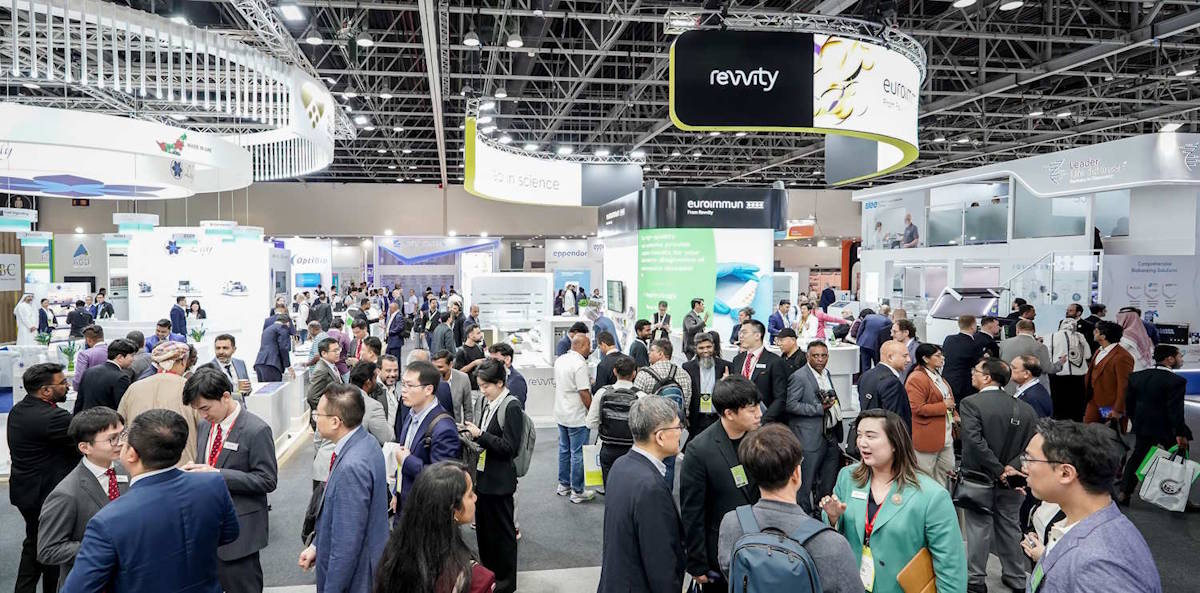
As the seventh International Conference on Family Planning (ICFP) 2025 opens in Bogota, with more than 3500 attendees from across the globe (including world leaders, researchers, and advocates) the world stands at a decisive crossroads for sexual and reproductive health and rights. ICFP 2025 comes at a decisive moment for sexual and reproductive health, rights and justice (SRHRJ) - as the world faces both reproductive rights rollbacks and a projected US $1.5 billion funding shortfall in reproductive-health commodity financing by 2030 in the poorest countries.
Without decisive action, millions of women will remain trapped in cycles of poverty and preventable health risks. Ensuring universal access to modern contraception is not just about preventing pregnancies - it is about saving lives, protecting rights, and enabling women and girls to shape their futures.
"Contraception saves lives. It is the front line of defense against maternal mortality. We cannot afford complacency - women and girls are counting on us,” Keita reminds the global community.
Keep the promise of Agenda 2030
By committing to Sustainable Development Goals (SDGs) at United Nations General Assembly (UNGA 2015), all government leaders had promised health and wellbeing (SDG-3) and gender equality (SDG-5) by 2030 “where no one is left behind.” Two-third along the way in 2025, writing on the wall is clear: promises are not being kept.
“Together, these 2 SDG goals (SDG-3 and SDG-5) are at the heart of the 2030 SDGs agenda. Without them, there can be no human development, no sustainable peace, and no economic transformation, said Benedicta Oyedayo Oyewole, Community Engagement and Partnership Lead, International Planned Parenthood Federation (IPPF) Africa. She was speaking in SHE & Rights (Sexual Health with Equity & Rights) session ahead of ICFP 2025.
Rising anti-rights and anti-gender pushbacks along with conflicts, wars, invasions and genocides, have not only arrested the progress made on gender and health but also threatening to reverse (and reversing) some of the fragile gains made on health and gender.
We are not only majorly off track on health and gender but also governments have hardly prioritised them when it comes to political will, investment or integrated whole-of-government action.
Gender equality and human right to health are fundamental human rights. Governments must course correct and be on track to deliver on the promises of Agenda 2030.





-23-300x250.png)