 Thursday, October 08, 2026
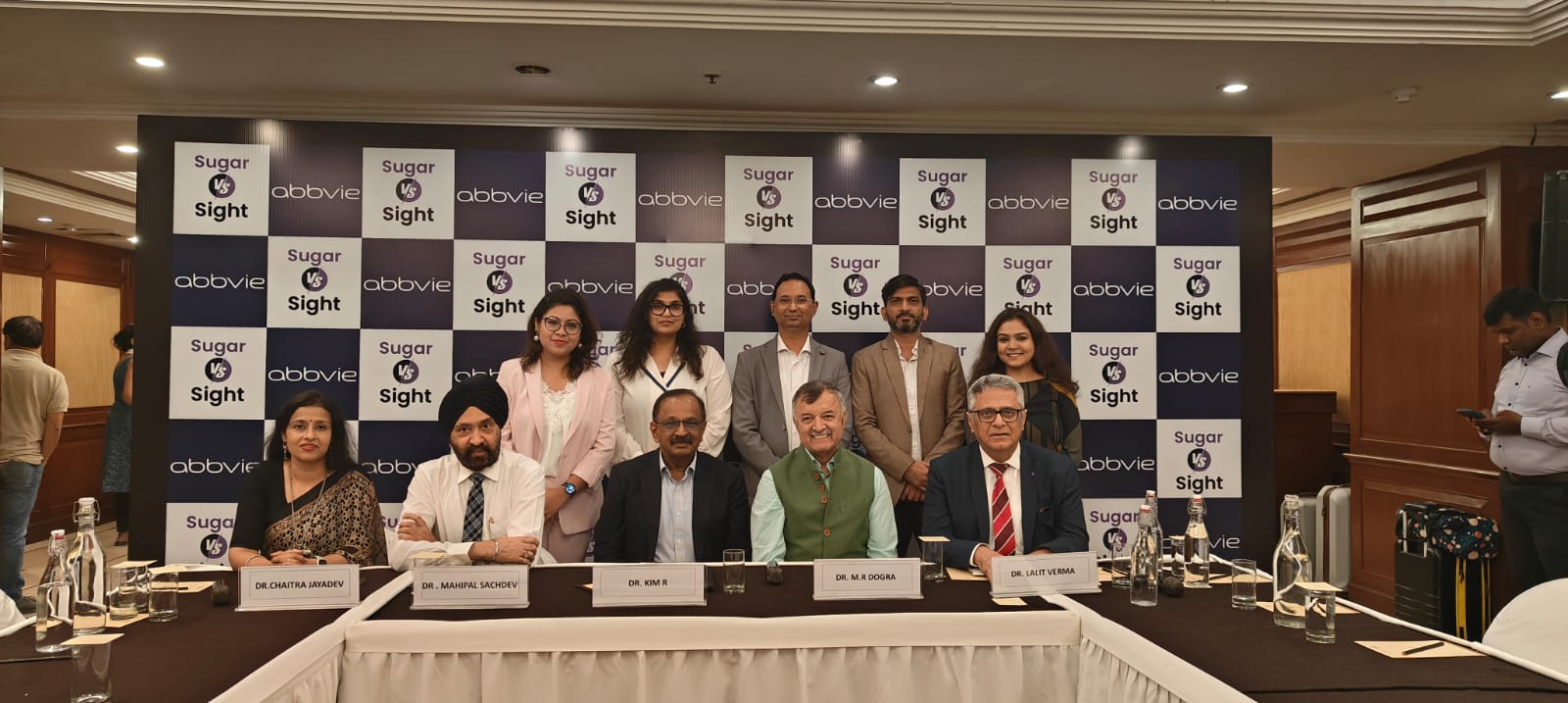
 Leading Retina Specialists and Endocrinologists unite to emphasize the urgent need for early detection, wider access to treatment, and stronger policy support to address diabetes-related vision loss and improve retinal care in India.




Delhi, 24 September 2025: AbbVie, a global biopharmaceutical leader committed to developing innovative medicines and solutions, hosted the National Conclave on World Retina Day at the India Habitat Centre, Delhi, to spotlight Diabetic Macular Edema (DME), one of the leading causes of vision loss among people living with diabetes. According to 2025 report by the Cleveland Clinic, about 1 in every 14 people with diabetes develops DME.[1] The event brought together renowned experts to foster greater awareness about vision loss due to diabetes, which is called diabetes macular edema (DME) and explore collaborative approaches to address the growing retinal disease burden in India.
The conclave reinforced that while evidence-based treatments have significantly improved patient outcomes, critical challenges persist. Limited awareness, high treatment costs, the burden of frequent injections, and unequal access to retinal care continue to hinder timely diagnosis and effective management. The discussions centred on driving policy-level interventions such as integrating mandatory retinal screening into national diabetes programs, strengthening public and private partnerships to expand specialized retinal care services, and ensuring the availability of trained specialists across tier-2 and tier-3 cities.
Suresh Pattathil, Managing Director & General Manager, AbbVie India, commented, “At AbbVie, we are proud to leverage over 75 years of global eyecare expertise to make a meaningful difference for the 3 million people living with Diabetic Macular Edema (DME) in India. The National Conclave on World Retina Day serves to spotlight the impact of diabetes on vision loss. India’s diabetic burden is forecasted to reach 134.2 crore by 2045, and this underscores the urgent race between sugar & sight. By emphasizing the importance of early detection, expanding access to breakthrough therapies, and embracing innovative solutions, we aim to safeguard vision, enhance patient outcomes, and pave the way toward a future where preventable blindness is a challenge of the past.”
The conclave featured a distinguished panel of healthcare professionals from across India, including Dr. Lalit Verma, Dr. Mahipal Sachdev, Dr. R. Kim, Dr. M.R. Dogra, Dr. Chaitra Jayadev, and Dr. Shashank Joshi. Representing leading voices in retinal care, endocrinology, and healthcare policy, the panel deliberated on the rising burden of DME and the need for a comprehensive eye check-up and, patient-centric approach. Early detection through public awareness as most diabetics do not even know about DME, accessible & affordable treatment
The discussions highlighted different therapies available like anti-VEGF short-acting, corticosteroid long-acting implants, laser therapies.
The experts underscored the urgent need for coordinated action to combat DME and its far-reaching consequences. Dr. Lalit Verma stated, “DME is emerging as one of the foremost causes of preventable blindness among working-age Indians. Prioritizing early detection is critical to preserving sight and improving quality of life.” Dr. Mahipal Sachdev added, “Integrating routine retinal screening into diabetes care pathways is essential if we are to detect DME before it causes irreversible damage.”
Dr. M.R. Dogra called for systemic reform: “We must ensure that quality eye care therapy is made affordable and accessible beyond major metropolitan centres, as bridging this gap in underserved regions is key to protecting vision across the country.”
Representing southern India, Dr. R. Kim emphasized the transformative role of technology: “Raising awareness about diabetes-related eye complications and promoting regular eye check-ups at the community level can significantly reduce the risk of vision loss, especially in rural and semi-urban areas.” Dr. Chaitra Jayadev stressed the importance of awareness: “Public understanding of diabetic eye complications is alarmingly low. We must educate people living with diabetes that eye health is as vital as heart or kidney health.” Bringing in the endocrinology perspective, Dr. Shashank Joshi concluded, “Managing diabetes effectively is the first and most critical step in preventing complications like DME. Ophthalmologists and endocrinologists must work hand in hand to safeguard patient health.”
Diabetic Macular Edema is a leading cause of vision loss among people with diabetes, often progressing silently until it reaches advanced stages. This disease affects the macula, which is the part of the eye responsible for sharp central vision. It develops when prolonged high blood sugar levels damage retinal blood vessels, causing fluid to leak into the macula and leading to swelling, distortion, and eventual vision loss. Often progressing silently, DME is one of the leading causes of blindness in working-age adults[2]. With India crossing 100 million people living with diabetes, the number of individuals at risk will continue to rise[3]. Yet, awareness about DME remains low compared to other diabetes-related complications, making education, early screening, and timely treatment critical to preventing irreversible blindness and reducing the social and economic burden.
About AbbVie
At AbbVie, we set our sights on a future where vision lasts a lifetime. With a legacy of more than 75 years in eye care, we’re proud to offer 125 eye care products that help to preserve and protect vision for patients around the world. We treat conditions from the front to the back of the eye, including glaucoma, ocular surface disease, and retinal diseases.






.jpeg)









.jpg)
.jpg)
.jpg)
.jpg)
.jpg)
.jpg)


.jpg)
.jpg)