 Thursday, October 08, 2026
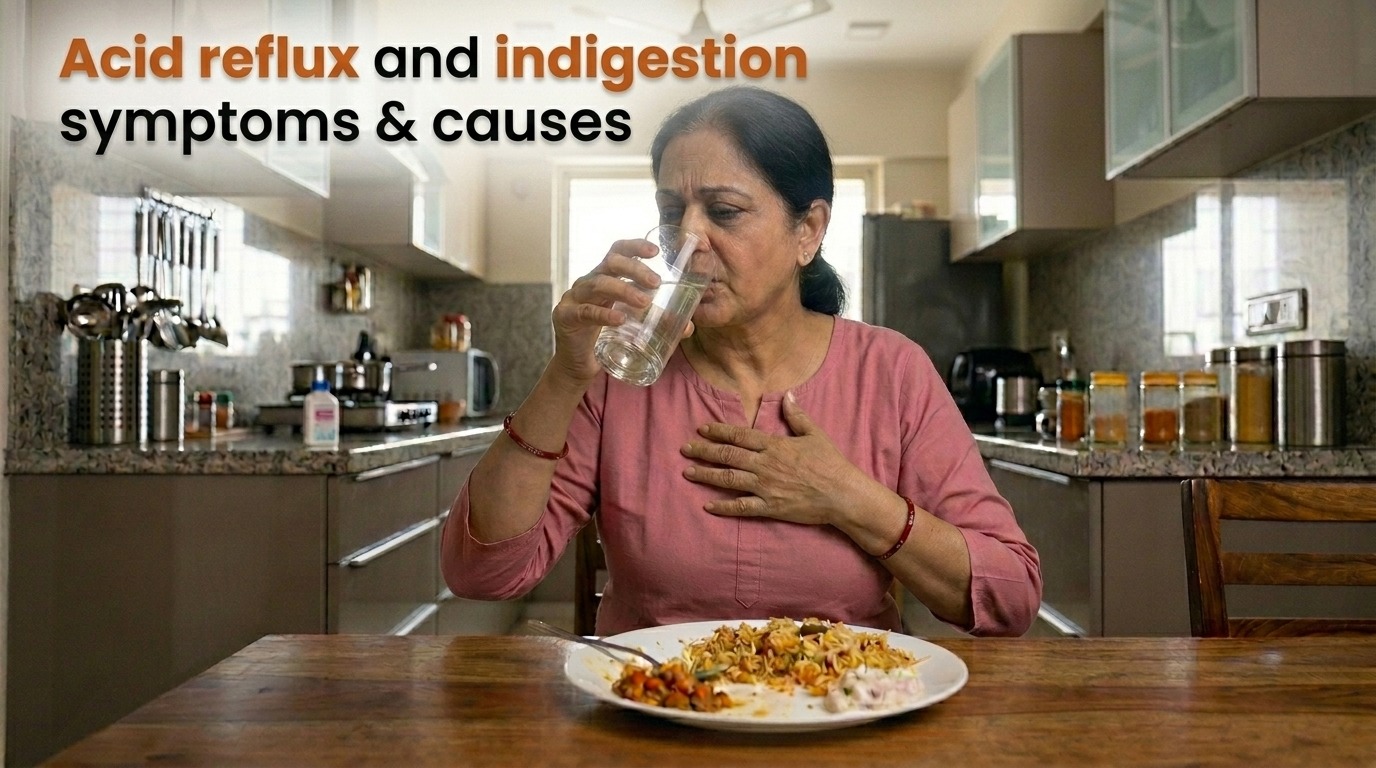
 Understanding acid reflux and indigestion and managing gerd indigestion through lifestyle awareness helps improve digestive balance and reduce discomfort. Addressing stomach acid issues and dietary triggers supports long-term relief and better overall health.




A burning sensation in the chest after meals, discomfort in the stomach, or a sour taste in the mouth are often ignored as minor issues. However, these are common signs of acid reflux and indigestion. Many people experience indigestion acid reflux without realizing that it may be linked to a deeper digestive imbalance like GERD.
Understanding gerd indigestion, its symptoms, and causes is essential for managing daily discomfort and improving digestive health.
What Is Acid Reflux and GERD Indigestion
Acid reflux and indigestion occur when stomach acid flows back into the food pipe, causing irritation and discomfort. This condition is often linked with gerd and indigestion, where symptoms become frequent and more noticeable.
While occasional indigestion and reflux may happen due to overeating, repeated symptoms may indicate GERD. It is commonly associated with stomach acid issues and an imbalance in digestion.
In some cases, it is also referred to as dyspepsia acid reflux, especially when symptoms overlap with general indigestion.
Common Symptoms of Acid Reflux and Indigestion
Recognizing symptoms early helps in understanding how indigestion acid reflux affects the body.
Signs That Indicate GERD and Indigestion- Burning sensation in chest and throat discomfort
A common symptom of acid reflux and indigestion is a burning feeling in the chest, often after meals. This discomfort may worsen when lying down and is linked to rising stomach acid. - Upset stomach and digestive uneasiness
Many individuals experience an upset stomach and acid reflux together, especially after heavy or oily meals. This can lead to discomfort that lasts for hours. - Breathing-related discomfort and pressure
Some people report that gerd cause shortness of breath or a feeling of tightness in the chest. In certain situations, gerd can cause shortness of breath, especially when acid reflux affects the upper digestive tract. - Frequent burping and sour taste
Excessive burping and a sour or bitter taste in the mouth are common signs of indigestion and reflux. - Discomfort after meals or on empty stomach
Symptoms may appear as heaviness after eating or irritation when the stomach is empty.
Why Acid Reflux Happens: Causes and Triggers
The cause of acid reflux and indigestion is often linked to lifestyle habits and dietary patterns. Several factors contribute to stomach acid issues and digestive imbalance.
Eating Habits- Fatty and oily food increase acid production
Consuming fried and processed foods can lead to excessive acid buildup, worsening indigestion acid reflux - Irregular eating patterns affect digestion
Skipping meals or eating late at night can disrupt digestion and lead to gerd indigestion. - Eating large portions puts pressure on the stomach
Overeating increases pressure on the digestive system, causing acid to move upward. - Empty stomach acidity creates imbalance
Long gaps between meals can lead to increased acid production and discomfort.
- Stress and mental pressure affect digestion
High stress levels contribute to acid imbalance and worsen symptoms. - Obesity increases pressure on the stomach
Excess body weight can push stomach contents upward, leading to reflux. - Smoking and alcohol consumption irritate the digestive system
These habits weaken the digestive process and increase the chances of reflux.
How Timing and Food Choices Affect Reflux
The timing of meals plays a significant role in managing indigestion and reflux. Eating too close to bedtime often leads to discomfort, as the body does not get enough time to digest food properly.
Food types also matter. Heavy, spicy, or processed foods tend to trigger symptoms, while lighter meals are easier to digest. Understanding these patterns helps in managing gerd and indigestion more effectively.
Health Effects of Acid Reflux and Indigestion
The health affect of persistent reflux goes beyond temporary discomfort. Repeated episodes of acid reflux and indigestion can interfere with daily activities, sleep quality, and eating habits.
Some individuals may experience ongoing irritation in the throat or chest, while others deal with recurring digestive discomfort. Over time, unmanaged symptoms may affect overall well-being.
Managing Acid Reflux and Indigestion Effectively
Managing indigestion acid reflux requires a combination of awareness and practical lifestyle adjustments.
Practical Ways to Manage Reflux Symptoms- Eating smaller meals improves digestion
Smaller portions reduce pressure on the stomach and help control acid flow, supporting better indigestion and reflux - Maintaining proper meal timing reduces discomfort
Eating at consistent intervals helps prevent acid buildup and supports digestive balance. - Choosing lighter foods reduces symptoms
Avoiding heavy and oily foods helps in managing stomach acid issues - Staying upright after meals supports digestion
Sitting or standing after eating helps prevent acid from moving upward. - Managing stress improves overall digestive health
Reducing stress helps maintain balance and reduces the risk of reflux episodes.
Acid Reflux Across Different Age Groups
Acid reflux and indigestion affect individuals differently based on age and lifestyle.
Children may experience mild symptoms due to irregular eating habits. Teenagers often face issues due to unhealthy food choices. Adults deal with stress and lifestyle-related triggers, while elderly individuals may experience slower digestion and frequent reflux symptoms.
Understanding these differences helps in managing gerd and indigestion more effectively.
Challenges in Managing GERD and Indigestion
Managing gerd indigestion can be challenging due to overlapping symptoms and lifestyle factors. Many people ignore early signs, leading to recurring discomfort.
Irregular routines, unhealthy eating patterns, and lack of awareness often make it difficult to achieve consistent relief. Identifying triggers and making gradual changes is essential for improvement.
Benefits of Understanding and Managing Reflux
Understanding acid reflux and indigestion helps in making better lifestyle choices. It allows individuals to identify triggers, manage symptoms, and improve digestive health.
Consistent habits and awareness can reduce discomfort and support long-term well-being.
Conclusion
Acid reflux and indigestion are common yet manageable conditions that affect daily life. Recognizing symptoms, understanding triggers, and making simple lifestyle adjustments can help manage gerd and indigestion effectively.
By focusing on balanced eating habits and mindful routines, it becomes easier to reduce discomfort and maintain digestive health.
Frequently Asked Questions (FAQs)
1. What is the main difference between acid reflux and GERD?Acid reflux and indigestion may occur occasionally, but when symptoms become frequent and persistent, it is referred to as gerd and indigestion. GERD is a more chronic condition linked to ongoing stomach acid issues and imbalance, while occasional reflux is often triggered by food or timing.
2. What causes indigestion and reflux after eating certain foods?Indigestion and reflux are often triggered by dietary triggers such as fatty, spicy, or processed foods. These foods increase acid imbalance in the stomach, leading to discomfort, heaviness, and burning sensations after meals.
3. Can stress worsen acid reflux and indigestion symptoms?Yes, stress plays a major role in worsening indigestion acid reflux. It affects digestion and increases stomach acid issues, making symptoms more frequent and uncomfortable. Managing stress is an important part of maintaining digestive balance.
4. Why do I feel acid reflux more when lying down?Symptoms of acid reflux and indigestion often increase when lying down because gravity no longer helps keep stomach contents in place. This can worsen acid imbalance and lead to a burning sensation in the chest or throat.
5. How does obesity affect acid reflux and GERD?Obesity increases pressure on the stomach, which can push acid upward and worsen gerd indigestion. This added pressure contributes to stomach acid issues and makes reflux symptoms more frequent.
6. What role do eating habits play in acid reflux?Poor eating habits such as overeating, eating too quickly, or irregular meal timing can trigger indigestion and reflux. These habits disrupt digestion and lead to acid imbalance, increasing the chances of discomfort.
7. Can GERD cause breathing discomfort or chest pressure?Yes, in some cases gerd can cause shortness of breath due to irritation caused by rising stomach acid. This is linked to ongoing stomach acid issues and may create a feeling of tightness or pressure in the chest.
8. Why does acid reflux happen on an empty stomach?When the stomach is empty, excess acid can build up, leading to indigestion acid reflux symptoms. This is often caused by acid imbalance and irregular eating patterns, making timing an important factor.
9. How do lifestyle changes help manage acid reflux effectively?Simple lifestyle changes such as balanced eating, proper meal timing, and reducing stress can improve acid reflux and indigestion. These adjustments help control dietary triggers and support better digestion over time.
10. Can repeated indigestion lead to long-term digestive problems?Frequent episodes of gerd and indigestion may lead to ongoing discomfort if not managed properly. Continuous stomach acid issues can affect digestion and overall health, making early awareness and lifestyle balance important.






.jpeg)








.jpg)
.jpg)
.jpg)
.jpg)
.jpg)
.jpg)


.jpg)
.jpg)
.jpg)