Advanced Robotic Surgeries for Liver and Pancreatic Cancers

▴ Advanced Robotic Surgeries for Liver and Pancreatic Cancers
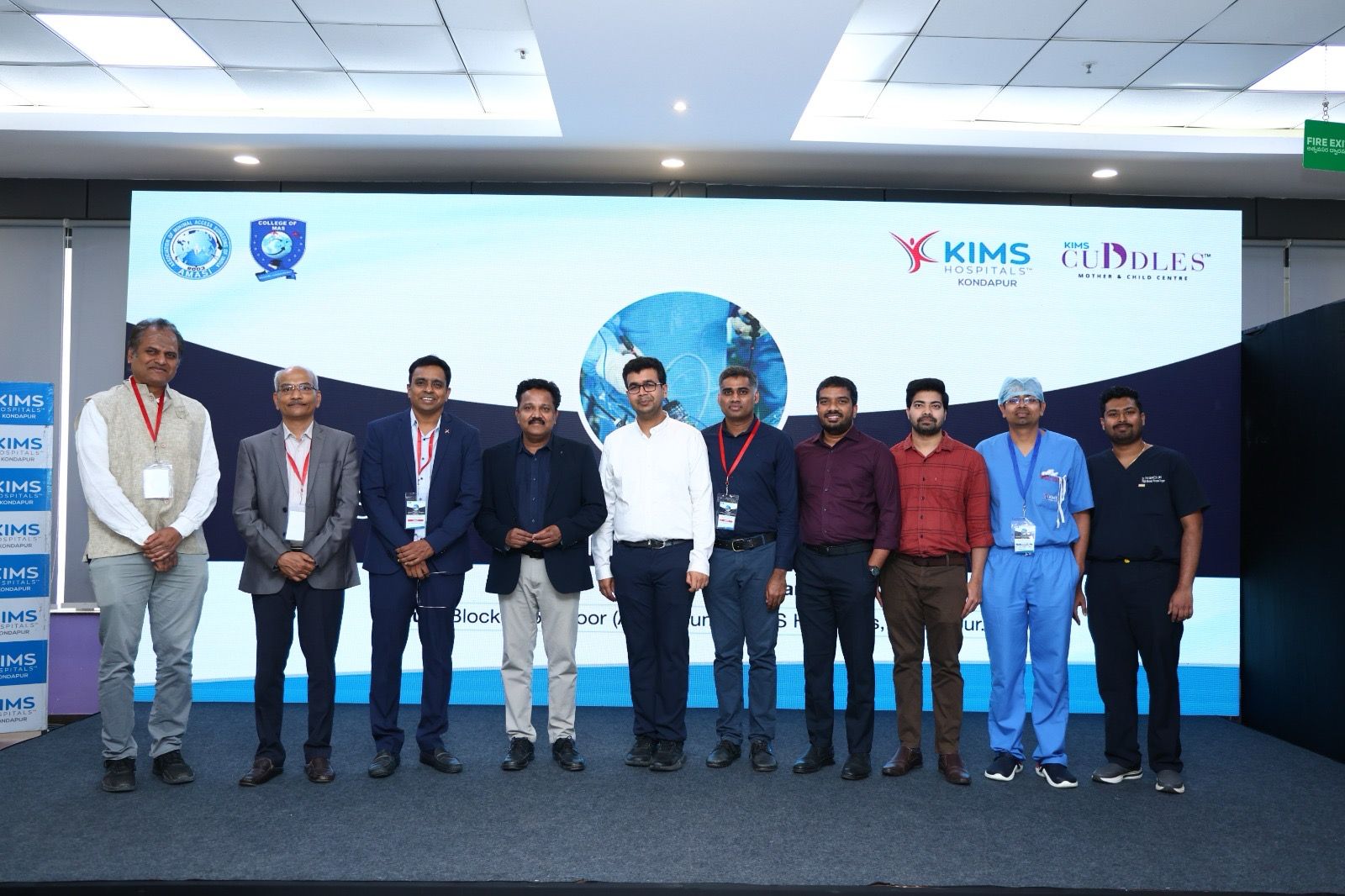
Surgeons from across India attended a three-day fellowship programme on “Advanced Surgical Techniques for Liver and Pancreatic Cancers” at KIMS Kondapur, focused on minimally invasive, pain-free surgical methods.


Hyderabad, February 2, 2026: Surgeons from across India attended a three-day fellowship programme on “Advanced Surgical Techniques for Liver and Pancreatic Cancers” at KIMS Kondapur, focused on minimally invasive, pain-free surgical methods. The programme, organised under the banner of AMASI-MMAS HPB Fellowship, concluded on Monday with great success, marking a significant milestone in surgical education.

During the training, eminent HPB (Hepato-Pancreato-Biliary) surgeons from leading institutions in India and the UK collaborated with KIMS Kondapur’s expert surgical team, sharing their experience and knowledge. Participants from all corners of the country engaged in live demonstrations and interactive sessions, gaining hands-on exposure to cutting-edge HPB surgical techniques.

Speaking on the occasion, Course Director Dr. Phanikrishna Ravula highlighted that complex liver and pancreatic cancer surgeries could now be performed using robotic as well as laparoscopic techniques. He added that modern ICG-based imaging helps surgeons understand real-time anatomy, while advanced methods ensure rapid recovery by preserving the functional cell architecture of the liver.

With experience in over 1,500 liver and pancreatic surgeries and expertise in advanced HPB, laparoscopic, and robotic procedures, the KIMS Kondapur team is fully equipped to train the next generation of surgeons in state-of-the-art surgical techniques for liver, bile duct, and pancreatic disorders.


Tags : #

About the Author


Team Medicircle

Related Stories

Loading Please wait...

-Advertisements-


Trending Now

Smart Operating Rooms: The Future of Hospital OTNovember 21, 2026
Smartphone Diagnostics: Phones as Medical Screening ToolsNovember 21, 2026
AI-Enabled Endoscopy: Can It Detect More Than the Human Eye?November 20, 2026
Hospital-at-Home in India: Can Technology Deliver Safe Care?November 20, 2026
Digital Identity Fraud in Healthcare: What India Must KnowNovember 18, 2026
Wearables in Clinical Care: When Should Doctors Trust the Data?November 18, 2026
Cybersecurity for Medical Startups: What Founders MissNovember 18, 2026
Remote Patient Monitoring: The Next Phase of Virtual CareNovember 18, 2026
Digital Health Wallets: Future of Medical Records in IndiaNovember 17, 2026
How Hospitals Can Prepare for a Transparent Healthcare MarketNovember 17, 2026
Childhood Nutrition: Understanding Micronutrient Gaps Beyond CaloriesNovember 16, 2026
Anaemia in Adolescent Girls: Connecting Prevention, Testing and Nutrition SupportNovember 16, 2026
Health Information Exchanges in India: Are Medical Records Finally Going Portable?November 16, 2026
Hospital Accreditation in 2026: What Is Changing Beyond the Checklist?November 16, 2026
Digital Insurance Platforms and India's Health Coverage FutureNovember 14, 2026
ABDM 2.0: India's Digital Health Ecosystem FutureNovember 14, 2026
Vaccine Cold-Chain Management: Protecting Immunisation Quality From Storage to DeliveryNovember 14, 2026
Foodborne Illness Surveillance: How Public Health Systems Track RisksNovember 14, 2026
Interoperability in Indian Healthcare: Why Patient Data Still StrugglesNovember 13, 2026