 Tuesday, October 27, 2026
.jpeg)
 India is seeing a major transformation in patient care through AI diagnostics, digital health IDs, and remote monitoring. These advancements ensure that expert medical advice is accessible to everyone.





Improving Patient Care
The way people experience medical treatment in India is currently going through a massive shift. For a long time, the biggest hurdle for patients was the distance gap. This was the physical and logistical struggle to reach a top specialist or a well-equipped hospital. Today, that gap is closing. We are moving away from a system that only reacts when someone becomes sick. We are moving toward one that is proactive, personalized, and accessible. This evolution is not just about fancy equipment. It is about making quality healthcare a reality for everyone. This includes people who are not living in major cities.
By integrating smart technology into daily practice, the medical community is making care more efficient. This is vital in India because chronic health issues are on the rise. From the first consultation to long term recovery, the patient journey is becoming smoother and safer. It is now far more focused on individual needs.
Digital Health Records
The days of patients carrying bulky plastic bags filled with years of prescriptions are over. The transition to a digital health ecosystem is a very practical change. Unified digital health IDs now allow your entire medical history to be stored securely online. When a clinician can view your past allergies and medications at a glance, they can provide much more accurate care.
This connectivity means a doctor in Mumbai can instantly review a report from a clinic in a small town. This interoperability prevents the frustration of undergoing the same tests repeatedly. This saves you both money and time. More importantly, it prevents dangerous drug interactions. These systems are built with high level security to ensure that your personal health data remains private.
Efficient Hospital Workflow
Digital tools are also making hospitals run better from the inside. Automated systems for managing patient admissions and tracking available beds mean less time spent waiting. When administrative work is handled digitally, healthcare staff can focus their energy on the patients.
AI Early Detection
Artificial intelligence is often discussed as something for the future, but it is already helping Indian doctors today. Because India has a high patient volume and limited specialists, AI acts as a reliable second set of eyes. It can scan thousands of medical images in seconds. It flags tiny irregularities that might be hard to spot early on.
For example, AI is being used across India to screen for conditions like tuberculosis or diabetic eye disease. Finding these issues early often means the difference between a simple treatment and a long recovery. AI does not replace your doctor. It provides them with better data so they can act faster and more accurately.
Remote Patient Monitoring
The vast geography of India has often made healthcare unequal, but telemedicine is changing that reality. A patient in a remote area can now have a video consultation with a world class specialist. This has been a game changer for managing routine check ups and chronic conditions.
Furthermore, remote patient monitoring allows recovery to happen at home. Using wearable devices, your heart rate or oxygen levels can be sent directly to your medical team. If your vitals show a worrying trend, the hospital is alerted immediately. This provides a safety net that lets you heal in comfort.
Managing Chronic Illness
For those dealing with chronic diseases, these tools mean fewer emergency room visits. Being able to track your health daily encourages an active role in your wellness. This almost always leads to better long term health.
Precision Robotic Surgery
Surgery has become far less intimidating thanks to robotic assisted and minimally invasive techniques. Instead of the large incisions used in traditional surgery, doctors can now perform complex operations through tiny openings. This is done with incredible precision.
For the patient, the benefits are very clear. There is less pain and a lower risk of infection. Many procedures allow patients to return to work within just a few days. This progress is setting a new benchmark for surgical care in India.
Personalized Genomic Medicine
We all know that a medicine that works for one person might not work for another. The emerging field of genomics is helping doctors move away from a standard model. By looking at your genetic profile, healthcare providers can predict how you will respond to specific treatments.
This is especially helpful in areas like cancer care. Treatments can be tailored to the specific genetic makeup of a tumor. While this is a sophisticated field, it represents the future of medicine. Your treatment is as unique as your DNA. This ensures the best possible chance of success.
Common Healthcare Questions
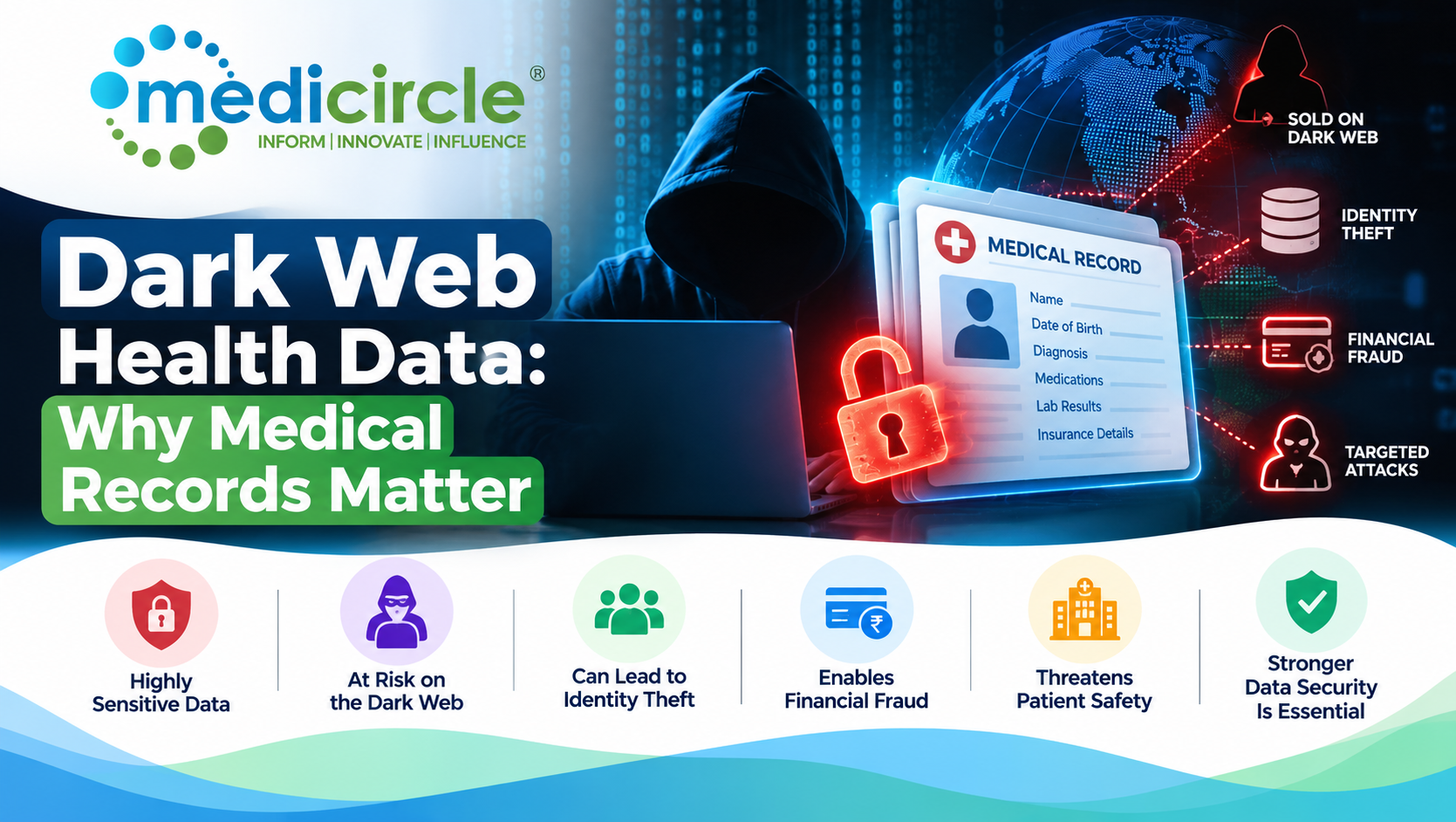
Will my medical data be safe if it is all digital?
Yes, digital health systems use advanced encryption and security protocols to protect your information. This ensures only authorized doctors can see it.
Is robotic surgery performed by a machine or a human?
It is always performed by a highly trained surgeon. The robot is a sophisticated tool that the surgeon controls to achieve better precision.
Does telemedicine offer the same quality as an in person visit?
For many consultations and follow ups, telemedicine is just as effective. If a physical exam or a procedure is necessary, your doctor will advise you to visit the clinic.
Is AI reliable enough for medical diagnosis?
AI is used to support doctors rather than replace them. It is excellent at finding patterns, but the final clinical decision is always made by a qualified medical professional.





-23-300x250.png)

.jpeg)






.jpg)
.jpg)
.jpg)
.jpg)
.jpg)
.jpg)
.jpg)
.jpg)
.jpg)

