 Monday, October 05, 2026
 By understanding the eligibility criteria, application process, and benefits, medical officers can make informed decisions and take the necessary steps to achieve their professional goals.




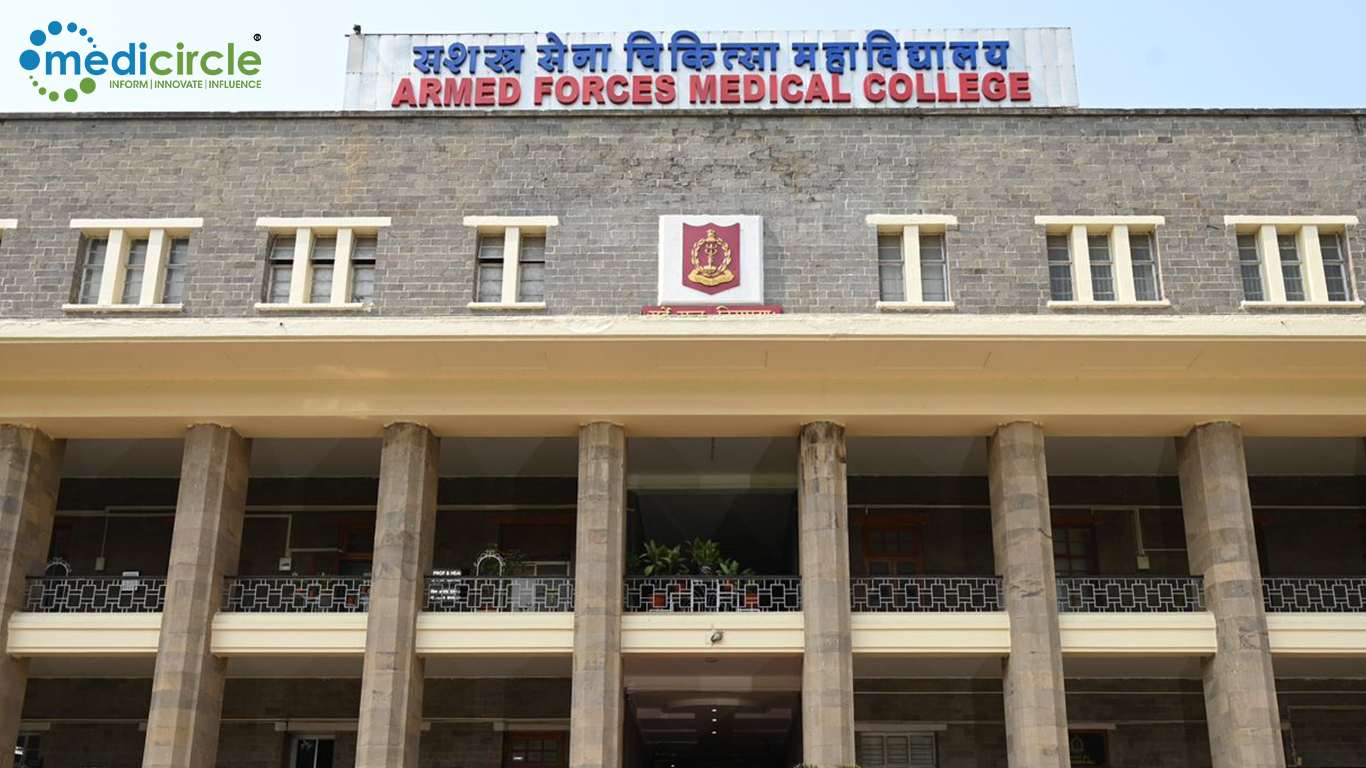
The Armed Forces Medical Services (AFMS) has recently issued a notice for sponsored medical officers who wish to pursue postgraduate (PG) medical courses through NEET PG 2024. This new development is crucial for medical officers looking to advance their careers and specialize in various medical fields.
NEET PG, or the National Eligibility cum Entrance Test for Postgraduates, is a nationwide examination in India for students seeking admission to various MD/MS and PG Diploma courses. The AFMS, on the other hand, is responsible for providing comprehensive medical care to armed forces personnel, their families, and retired military personnel.
The AFMS notice specifically addresses the application process and requirements for medical officers sponsored by various government departments, including the Ministry of Defence, Ministry of Home Affairs, and other central government organizations. These officers are given an opportunity to enhance their skills and knowledge by pursuing PG medical courses.
Key Points from the Notice
1. Eligibility Criteria:
- Only sponsored medical officers who have completed the required service tenure are eligible.
- Officers must have a valid NEET PG 2024 score to apply for the PG courses.
2. Application Process:
- Sponsored officers need to apply through the appropriate channels in their respective organizations.
- They must also submit their applications to the AFMS, ensuring all required documents are included.
3. Required Documents:
- NEET PG 2024 scorecard.
- Sponsorship certificate from the respective department.
- Service details and tenure completion certificate.
4. Selection Process:
- Selection will be based on the NEET PG scores and the sponsorship status.
- A merit list will be prepared, and candidates will be allocated seats based on their ranks and availability.
5. Important Dates:
- The notice includes specific dates for application submission and other related processes. Candidates must adhere to these deadlines to ensure their applications are considered.
Benefits of Pursuing PG Courses
1. Advanced Knowledge and Skills:
- Pursuing PG courses allows medical officers to gain specialized knowledge and skills, which can enhance their medical practice and benefit the armed forces community.
2. Career Advancement:
- Specialized medical qualifications open up new career opportunities and positions within the armed forces medical services.
3. Contribution to Healthcare:
- With advanced training, medical officers can contribute more effectively to the healthcare needs of armed forces personnel and their families.
Challenges and Considerations
1. Balancing Service and Studies:
- Medical officers need to balance their service commitments with the demands of PG studies. Proper planning and time management are essential.
2. Meeting Sponsorship Requirements:
- Officers must ensure they meet all sponsorship requirements and adhere to the guidelines provided by their respective departments.
The AFMS notice for sponsored medical officers seeking PG medical admissions through NEET PG 2024 is a significant opportunity for those looking to specialize and advance their careers. By understanding the eligibility criteria, application process, and benefits, medical officers can make informed decisions and take the necessary steps to achieve their professional goals.
For more information and detailed guidelines, medical officers are encouraged to refer to the official AFMS notice and stay updated with any further announcements.





.jpeg)
.jpg)
.jpg)
.jpg)
.jpg)
.jpg)
.jpg)



.jpeg)

.jpeg)
.png)