 Thursday, November 19, 2026
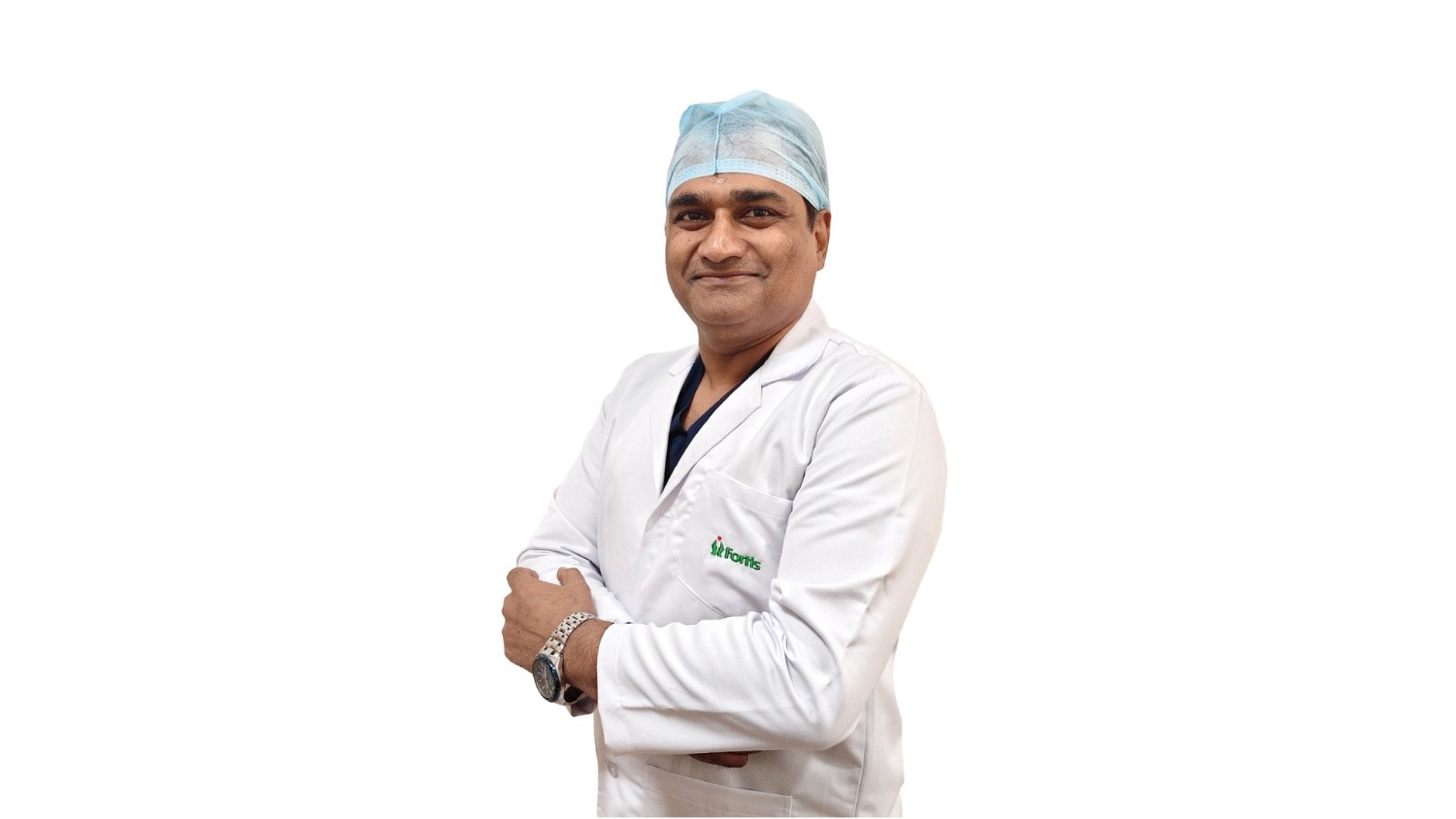
 In a significant case underscoring the importance of specialized orthopaedic care, doctors at Fortis Hospital Nagarbhavi successfully treated a 78-year-old woman suffering from severe shoulder pain and limited mobility through an advanced reverse shoulder replacement surgery.





Bengaluru, 07 May 2026: In a significant case underscoring the importance of specialized orthopaedic care, doctors at Fortis Hospital Nagarbhavi successfully treated a 78-year-old woman suffering from severe shoulder pain and limited mobility through an advanced reverse shoulder replacement surgery. The procedure was performed by Dr. Manjunath Kodihally, Senior Consultant – Orthopaedics, a specialist in joint replacement and complex shoulder procedures.
The patient had been suffering from persistent pain and stiffness in her left shoulder for over three years, significantly impacting her daily activities. Even after consulting multiple hospitals in the city, she was advised to manage conservatively with pain medications, leading to a delay in definitive diagnosis and treatment. Upon admission at Fortis Hospital, Nagarbhavi, clinical evaluation revealed osteoarthritis of the left shoulder, a degenerative condition where the joint cartilage wears down over time, leading to pain, stiffness, and limited movement, commonly seen in elderly individuals.
To restore function and relieve pain, the patient underwent a reverse shoulder joint replacement surgery an advanced procedure in which the damaged joint components are replaced with artificial implants in a reversed structure. This relatively uncommon procedure, accounting for only about 2-3% of all shoulder replacement surgeries is particularly effective in elderly patients and those with irreparable rotator cuff muscle dame as it allows other muscle groups to compensate for shoulder movement.
The surgery was performed under general anesthesia along with a nerve block, lasted approximately for an hour and was completed successfully without complications. Post-surgery, the patient had a smooth recovery and was discharged within three days. With guided rehabilitation, she showed significant recovery within three weeks, regaining mobility and experiencing substantial pain relief.
Giving details of the case, Dr. Manjunath Kodihally, Senior Consultant– Orthopaedics, Fortis Hospital Nagarbhavi, said, “Rotator cuff tears can often occur without any history of trauma, particularly due to age-related degeneration. This frequently leads to delayed medical attention, as patients tend to adapt to restricted movement or tolerate chronic pain. Additionally, continued conservative treatment without specialist evaluation may further delay appropriate intervention. This case highlights the critical need for increased awareness, timely diagnosis, and early specialist intervention, which can help prevent disease progression, reduce the need for complex surgeries, and significantly improve long-term patient outcomes.”
Sharing her experience, the patient said, “I had been living with constant pain for years, and even simple movements had become difficult. The doctors at Fortis explained everything patiently and gave me confidence to undergo surgery. After the surgery, I could feel the difference within weeks. I am now able to move my shoulder much more freely and get back to my daily routine”
Mr. Ratheef Naik, Facility Director, Fortis Hospital, Nagarbhavi, said, “This case highlights our commitment to delivering advanced, patient centric orthopaedic care. With the right diagnosis, surgical expertise, and rehabilitation, even complex conditions in elderly patients can achieve excellent outcomes and significantly improve quality of life.”





-23-300x250.png)





















