 Thursday, October 08, 2026
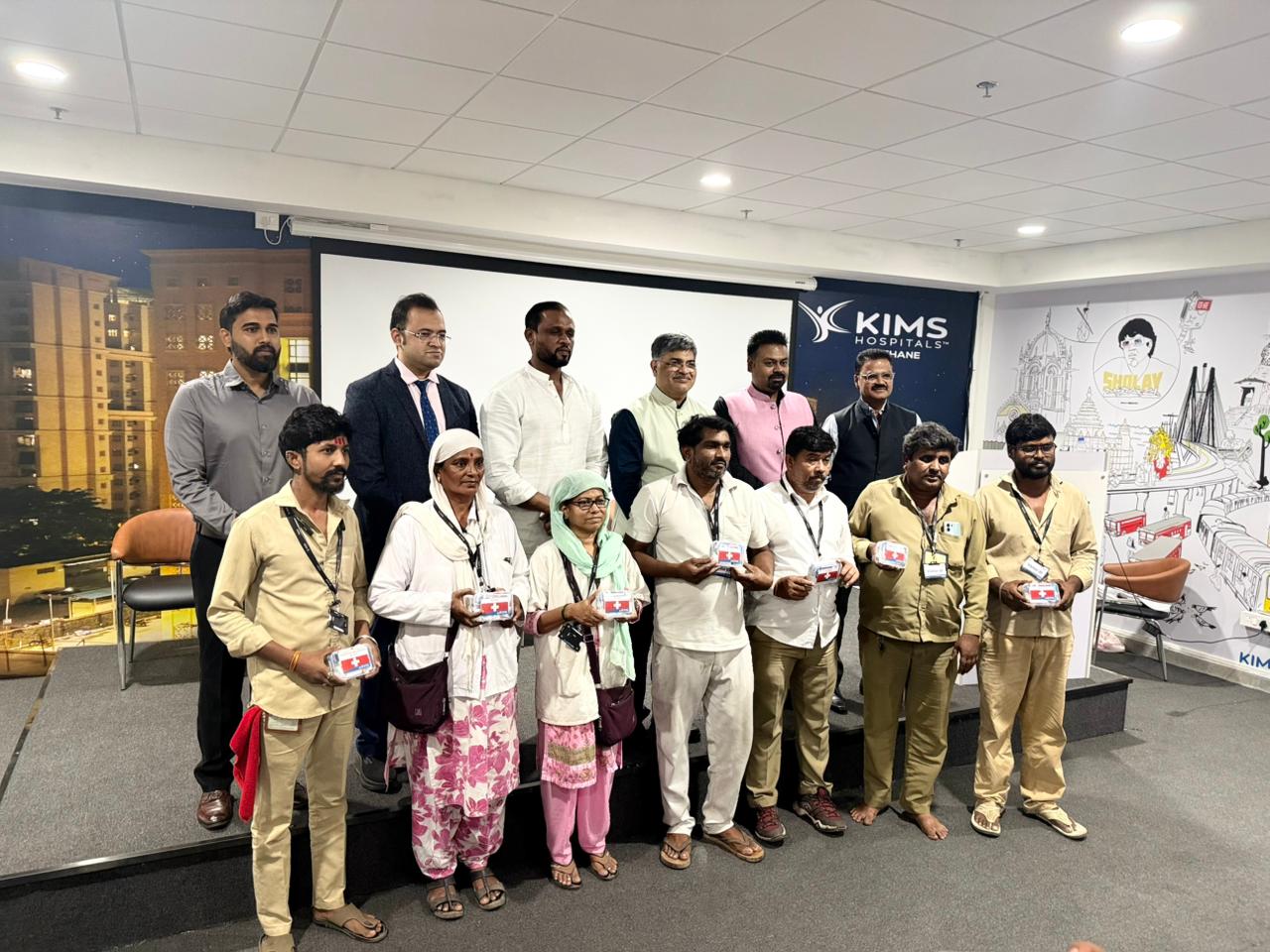
 KIMS Hospitals, Thane, has launched a community-focused, community-led initiative to strengthen emergency response during the critical golden hour by training auto-rickshaw drivers as first responders.




Thane 2026: KIMS Hospitals, Thane, has launched a community-focused, community-led initiative to strengthen emergency response during the critical golden hour by training auto-rickshaw drivers as first responders. As part of the program, over 100 auto-rickshaw drivers from the Thane–Ghodbunder Road belt*are receiving hands-on training in CPR and basic first aid to help stabilize patients before ambulances arrive along with a first aid kit which they can keep in their auto rickshaws.
As road crashes and lifestyle-related cardiac arrests continue to claim hundreds of lives daily, KIMS Hospital is empowering auto-rickshaw drivers in Thane with CPR training and basic first aid. With traffic congestion often delaying emergency vehicles, auto-rickshaw drivers are frequently the first to reach accident sites and medical emergencies. This initiative equips them with life-saving skills and first-aid kits, enabling immediate support and early stabilization until professional medical care takes over.
The training includes live CPR demonstrations and hands-on training on mannequins, basic trauma care, and early patient stabilisation techniques, conducted by expert doctors from KIMS Hospital. Each trained driver is also being provided with a First-Aid Kit, strengthening on-ground emergency response.
The initiative is being carried out by KIMS Hospital in association with Amar Gharat Foundation, which is supporting community mobilisation and outreach among auto-rickshaw drivers in the region.
Speaking on the broader vision behind the initiative, Saurabh Gupta, Regional Director, KIMS Hospitals, said,
“Care during the golden hour often starts on the road. By training auto-rickshaw drivers as first responders and also offering them Oral cancer screenings, we are extending critical care beyond hospital walls and into the community.”
Highlighting the medical importance of early action, Dr. Anil Heroor, Director – Oncological Sciences, KIMS Hospitals, Thane, said,
“Many auto-rickshaw drivers are at higher risk of oral cancer due to tobacco use. Simple screenings like these can catch early signs and make a real difference.”
Dr. Hitesh Singhavi, Consultant – Head & Neck Oncosurgery, KIMS Hospitals , Thane, added,
“Oral cancer often goes unnoticed until it becomes serious. Bringing screening closer to people helps with early detection and better outcomes.”
Emphasising emergency preparedness, Dr. Ankit Biyani, HOD – Emergency Medicine, KIMS Hospitals, Thane, added,
“The first few minutes after an accident or medical emergency are critical. Training auto drivers helps bridge the gap between an emergency and ambulance care.”
Alongside the training program, KIMS Hospitals Thane is also conducting oral health screenings for participating auto-rickshaw drivers, with a focus on early detection of oral health issues among those who consume tobacco, reinforcing the hospital’s focus on preventive and community healthcare.
Through this initiative, KIMS Hospitals continues to extend care beyond hospital walls, empowering everyday citizens, strengthening emergency response systems, and building a safer, more prepared community in Thane.






.jpeg)










.jpg)
.jpg)
.jpg)
.jpg)
.jpg)
.jpg)


.jpg)